
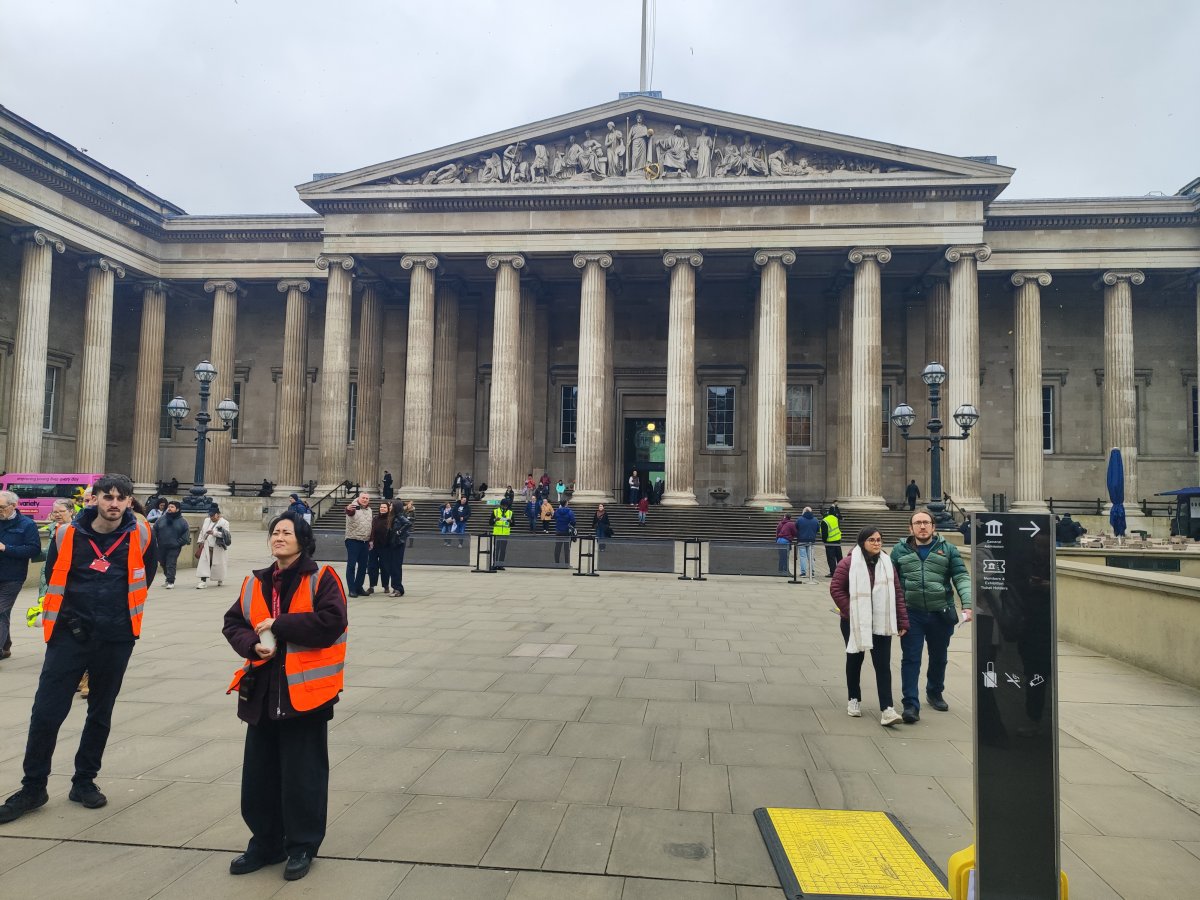
The British Museum is one of the world’s most famous museums and one of the most visited cultural attractions in London. Located in the historic Bloomsbury district, the museum houses a vast collection dedicated to human history, art and culture spanning more than two million years.
Founded in 1753, the museum was the first national public museum in the world and remains free to enter, welcoming millions of visitors each year who come to explore the story of human civilisation through extraordinary objects and artefacts from across the globe.
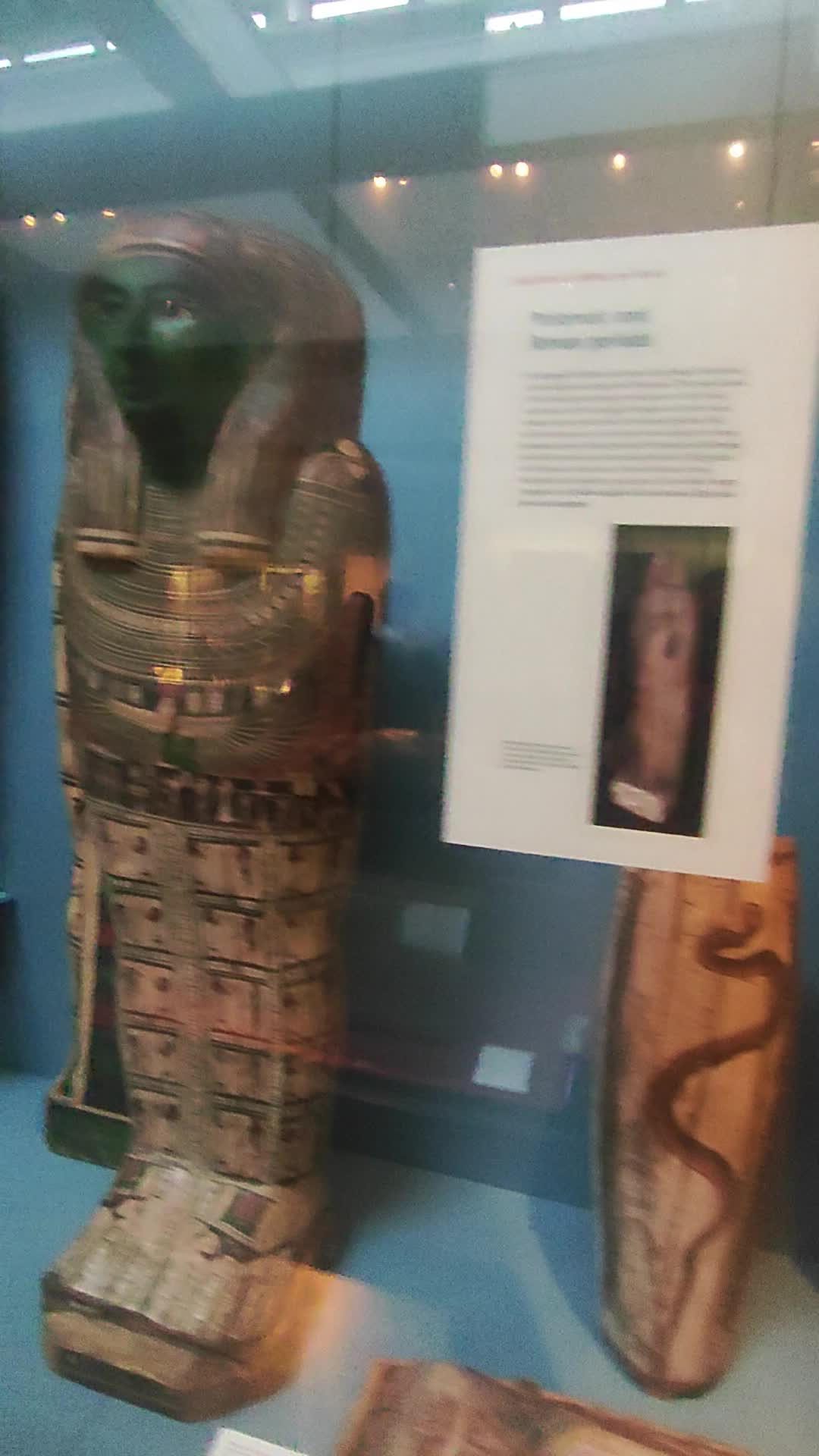
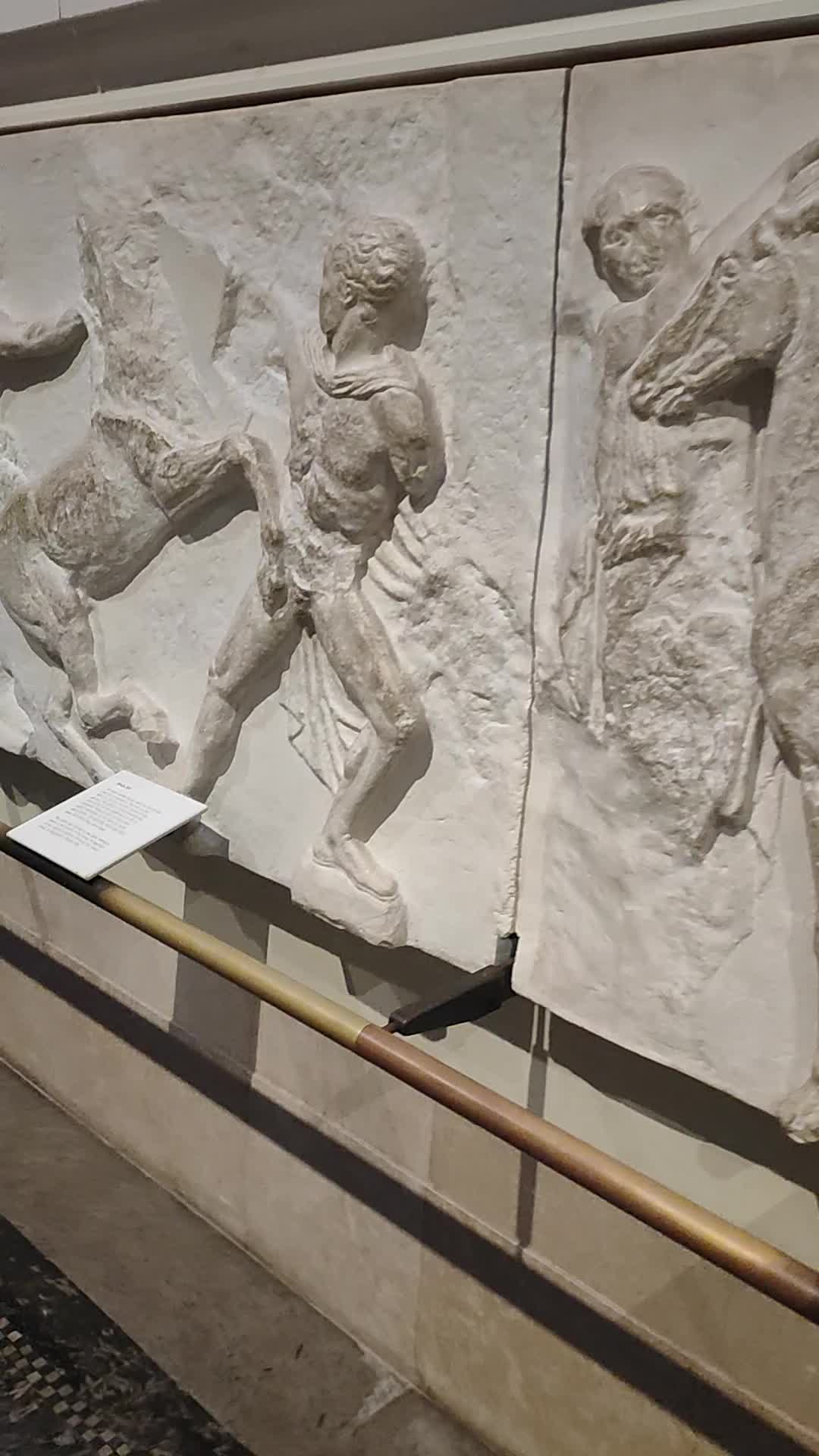
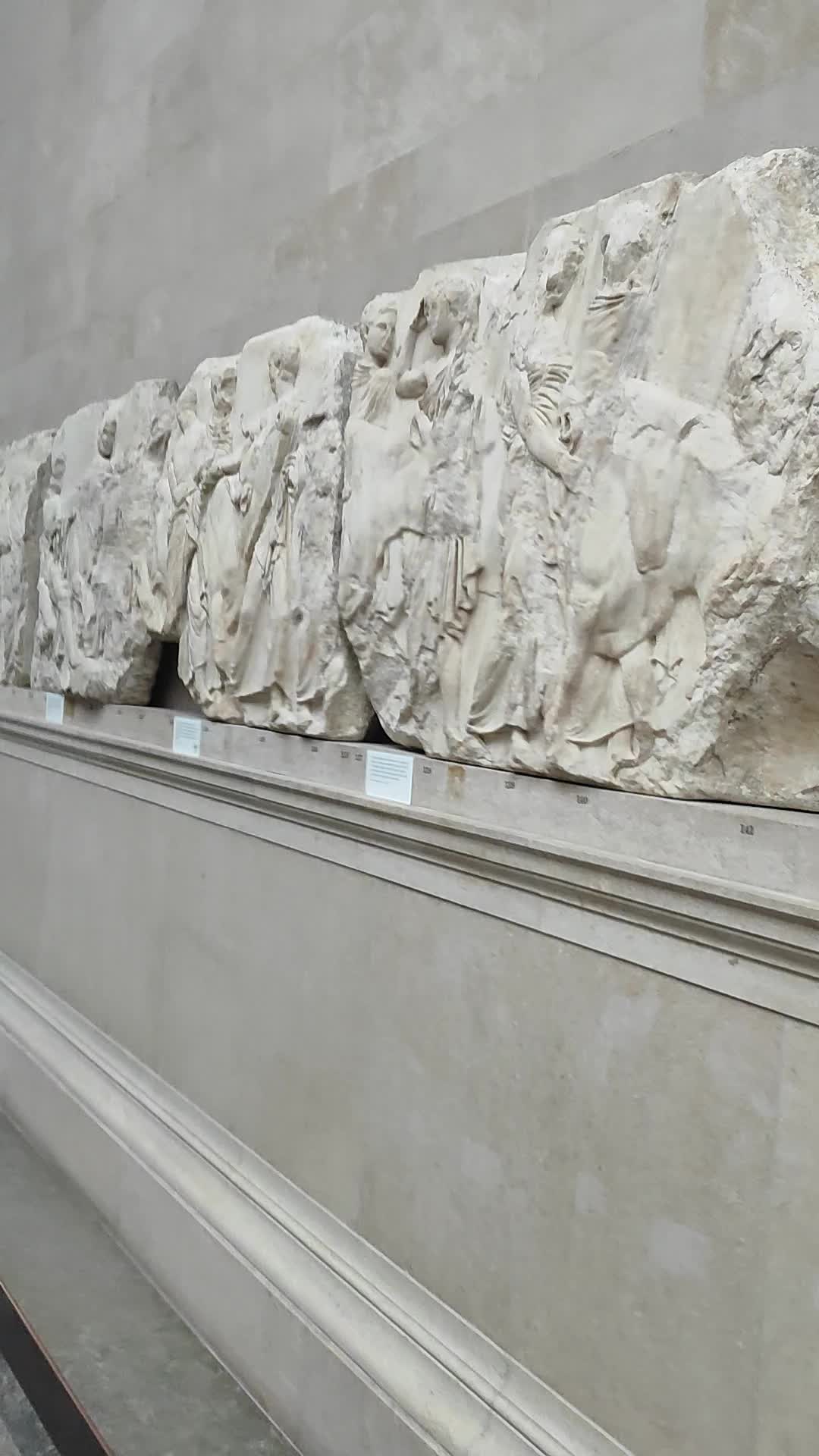
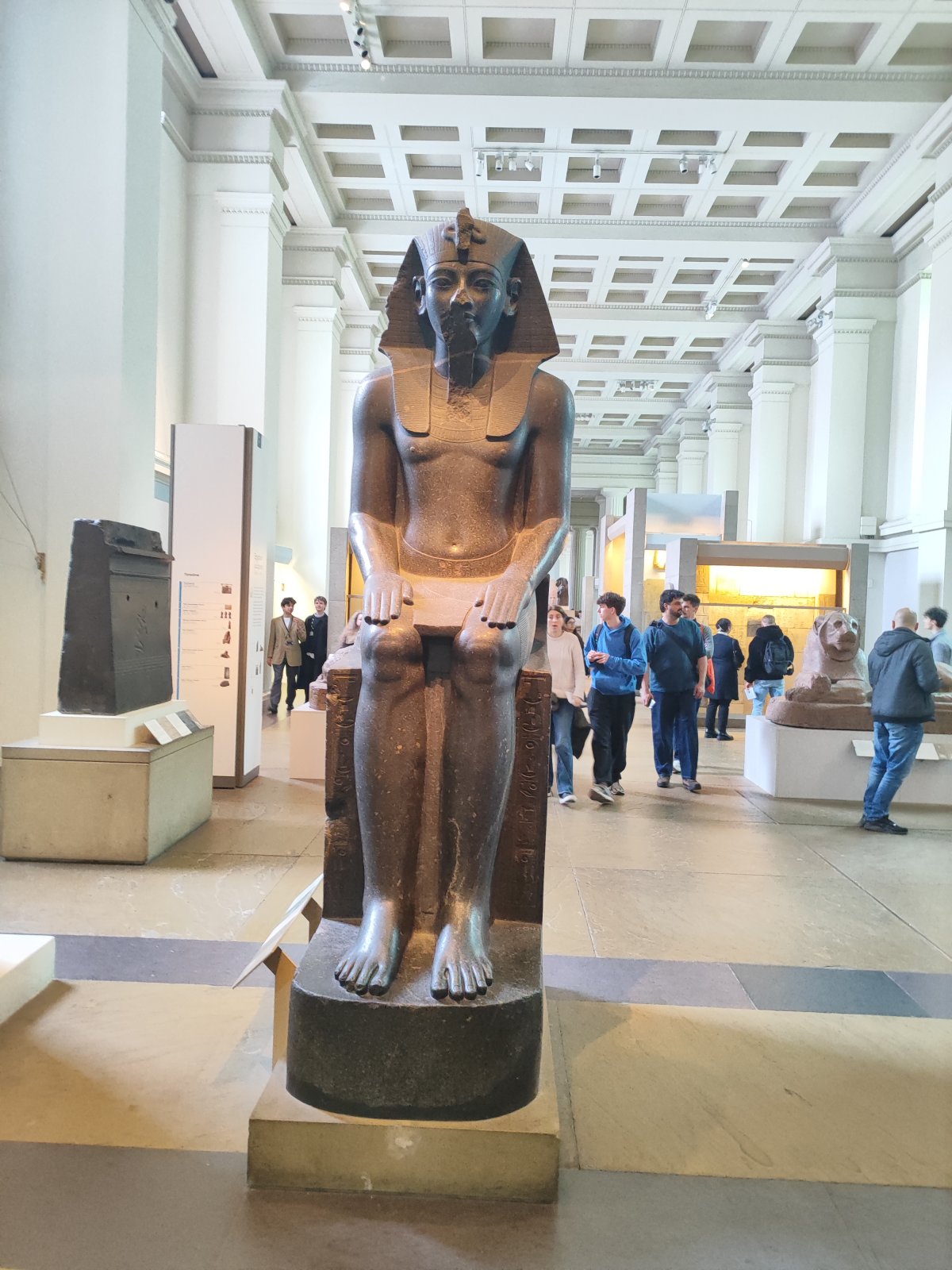
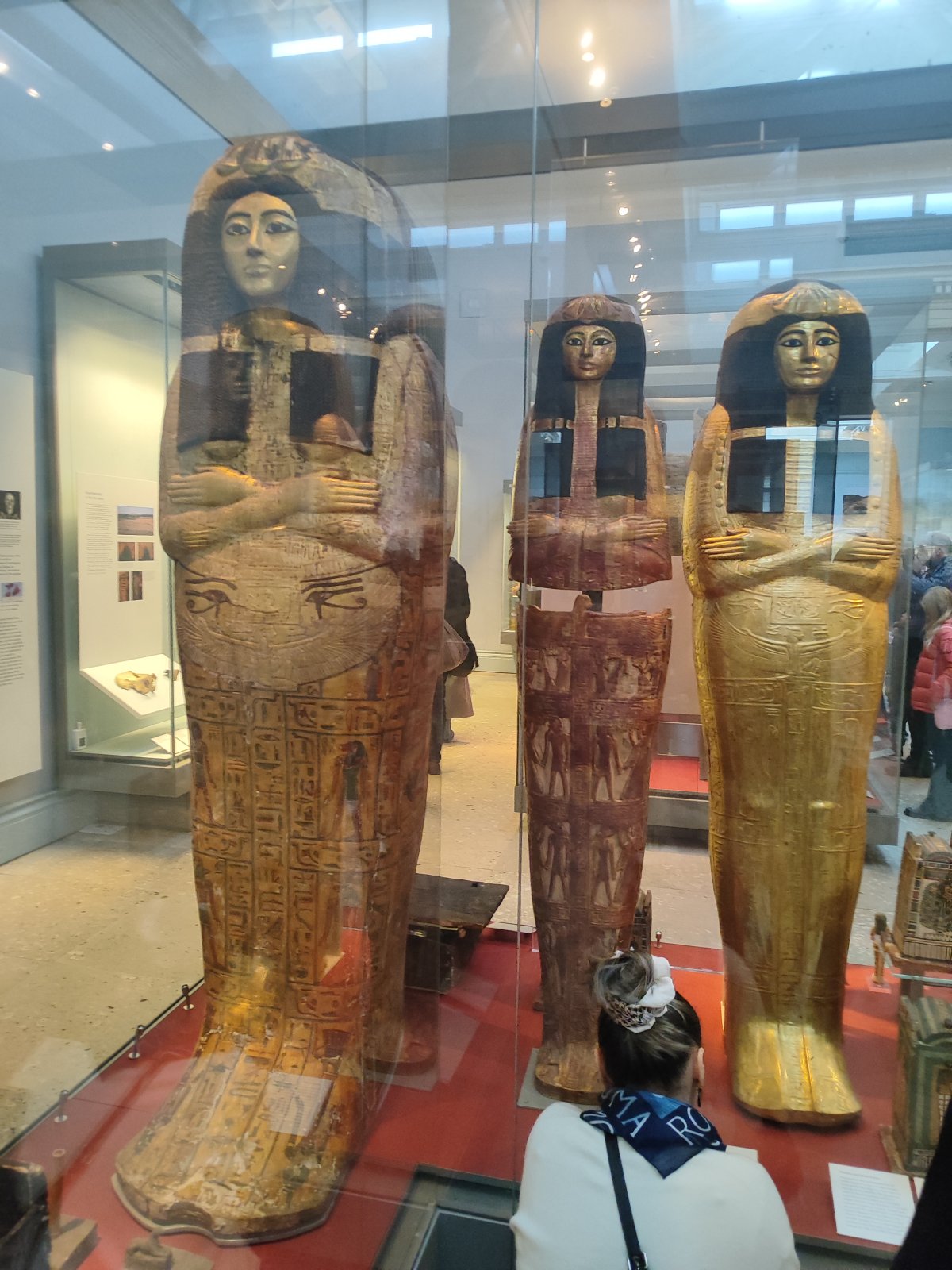
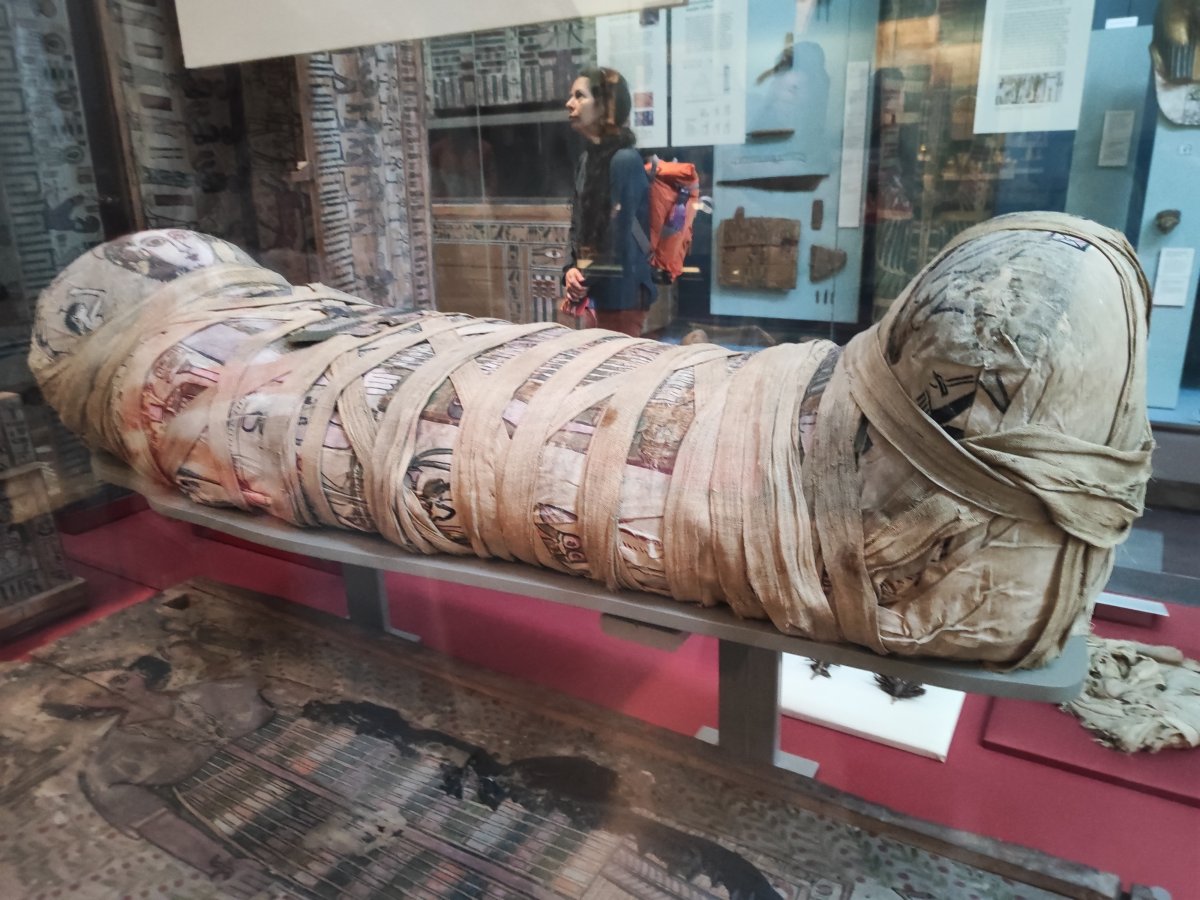
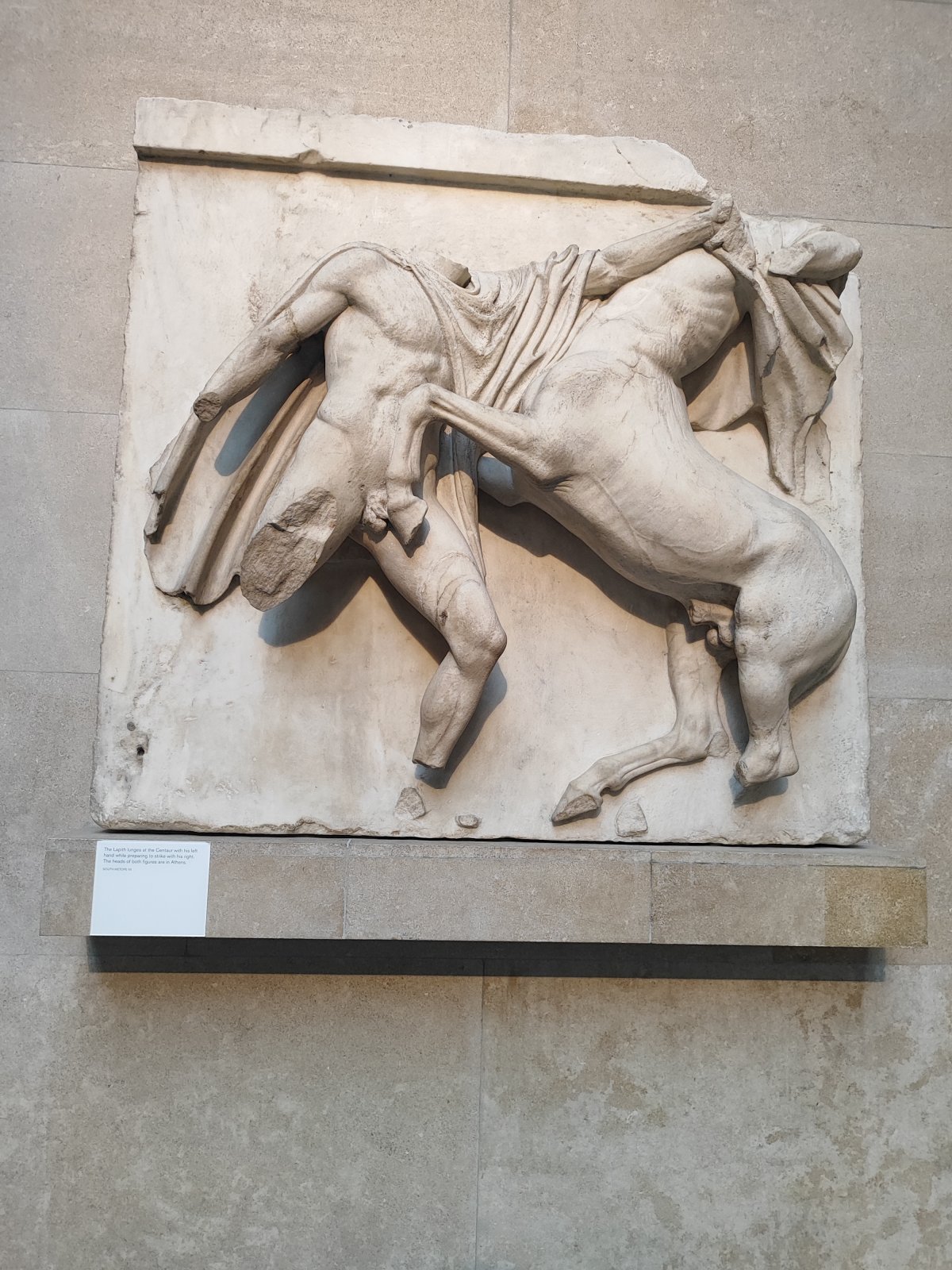
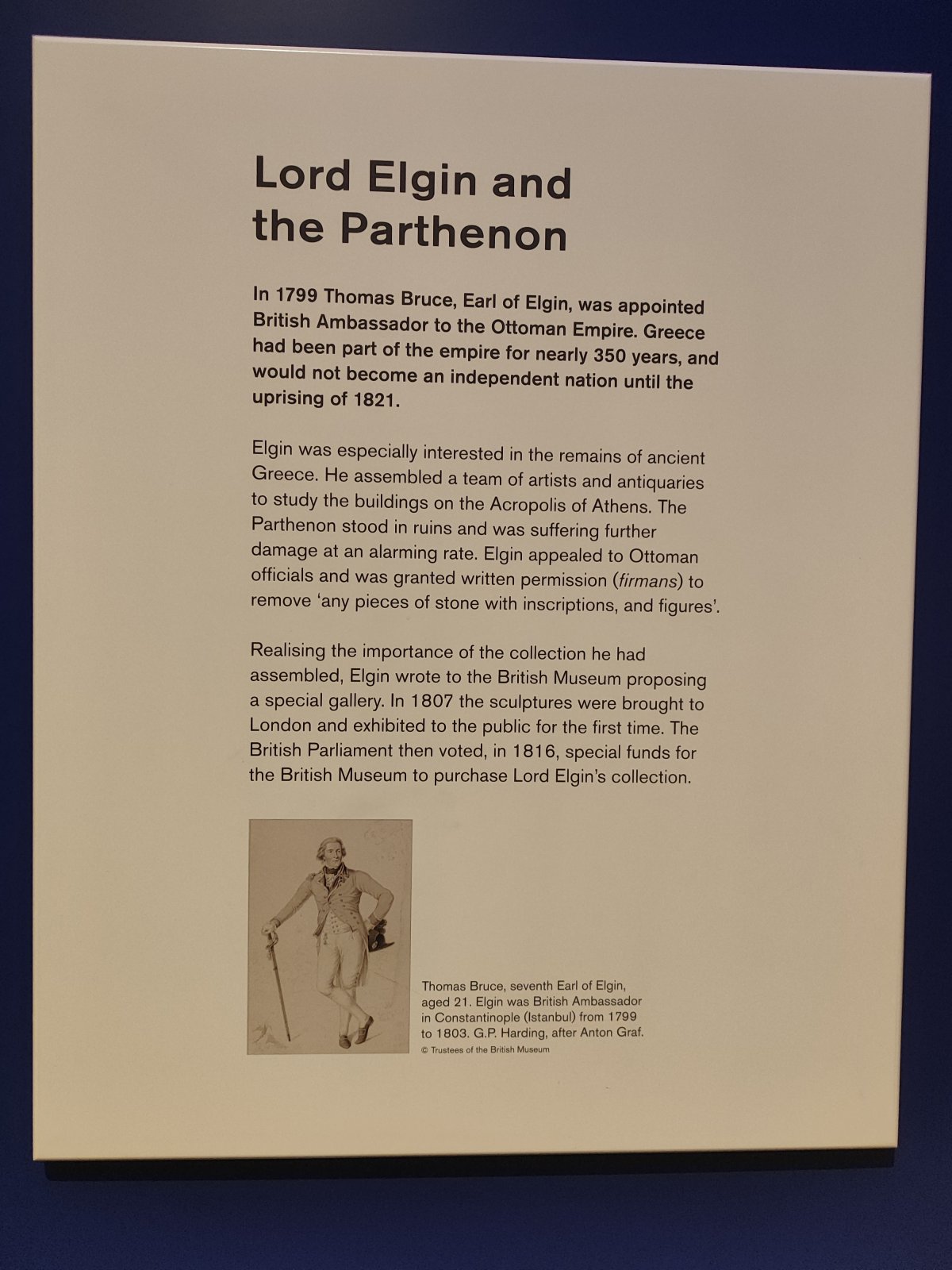
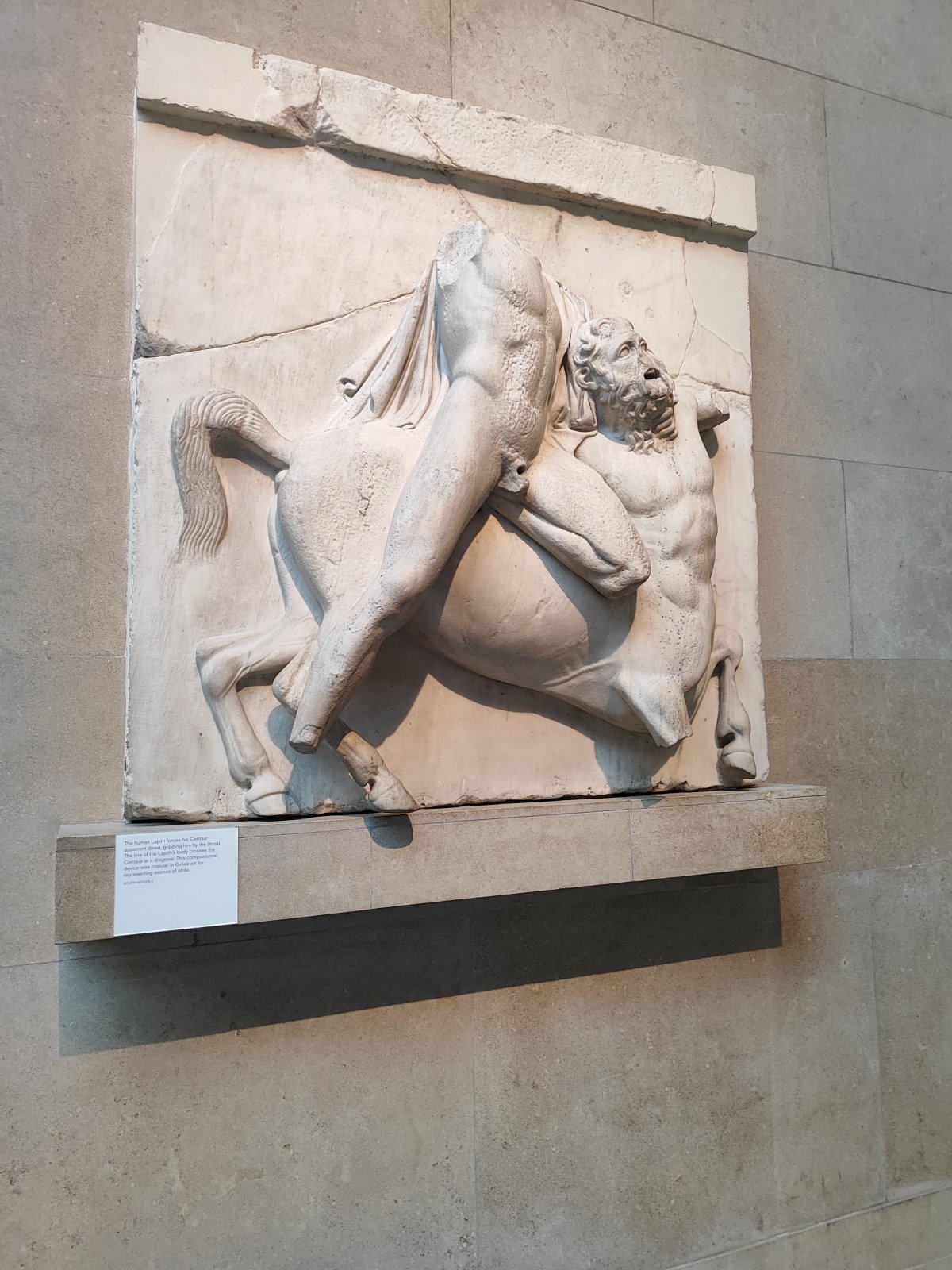
Inside the museum visitors can discover iconic treasures including the Rosetta Stone, the Parthenon Sculptures, and the Egyptian mummies. The museum’s galleries span continents and cultures, offering insights into ancient Egypt, Greece and Rome, Asia, Africa, the Americas and the Middle East.
At the heart of the museum is the spectacular Great Court, a vast covered courtyard designed by architect Norman Foster. Its striking glass roof creates one of the most impressive public spaces in London and acts as the central hub for visitors exploring the museum’s many galleries.
Today the British Museum is not only a centre for research and education but also a place where travellers can experience some of the most important objects in human history in a single visit.
For visitors to London, the museum offers an extraordinary journey through world cultures and civilisations, making it one of the city’s essential cultural experiences.
Is the British Museum free to visit?
Yes. Entry to the museum’s permanent galleries is free, although some special exhibitions require tickets.
What is the most famous object in the British Museum?
One of the most famous artefacts in the museum is the Rosetta Stone, which helped scholars decode ancient Egyptian hieroglyphs.
Founded in 1753, the museum was the first national public museum in the world and remains free to enter, welcoming millions of visitors each year who come to explore the story of human civilisation through extraordinary objects and artefacts from across the globe.
Inside the museum visitors can discover iconic treasures including the Rosetta Stone, the Parthenon Sculptures, and the Egyptian mummies. The museum’s galleries span continents and cultures, offering insights into ancient Egypt, Greece and Rome, Asia, Africa, the Americas and the Middle East.
At the heart of the museum is the spectacular Great Court, a vast covered courtyard designed by architect Norman Foster. Its striking glass roof creates one of the most impressive public spaces in London and acts as the central hub for visitors exploring the museum’s many galleries.
Today the British Museum is not only a centre for research and education but also a place where travellers can experience some of the most important objects in human history in a single visit.
For visitors to London, the museum offers an extraordinary journey through world cultures and civilisations, making it one of the city’s essential cultural experiences.
Is the British Museum free to visit?
Yes. Entry to the museum’s permanent galleries is free, although some special exhibitions require tickets.
What is the most famous object in the British Museum?
One of the most famous artefacts in the museum is the Rosetta Stone, which helped scholars decode ancient Egyptian hieroglyphs.





reply
The British Museum was founded in 1753, the first national public museum in the world. From the beginning it granted free admission to all 'studious and curious persons'. Visitor numbers have grown from around 5,000 a year in the eighteenth century to nearly 6 million today.
reply
I lived in London for 20 years and passed the museum frequently but never been inside it.
Big mistake!
It is awesome in the truest sense of the word and it's huge.
I would say it's impossible to do it in a day but for a first visit wander around and get a feel for it, stopping and admiring what interests you.
As a regular visitor to London I've decided I will make future visits to the museum but before coming research what's of interest and then spend time in the appropriate hall seeing the artefacts and displays of that period.