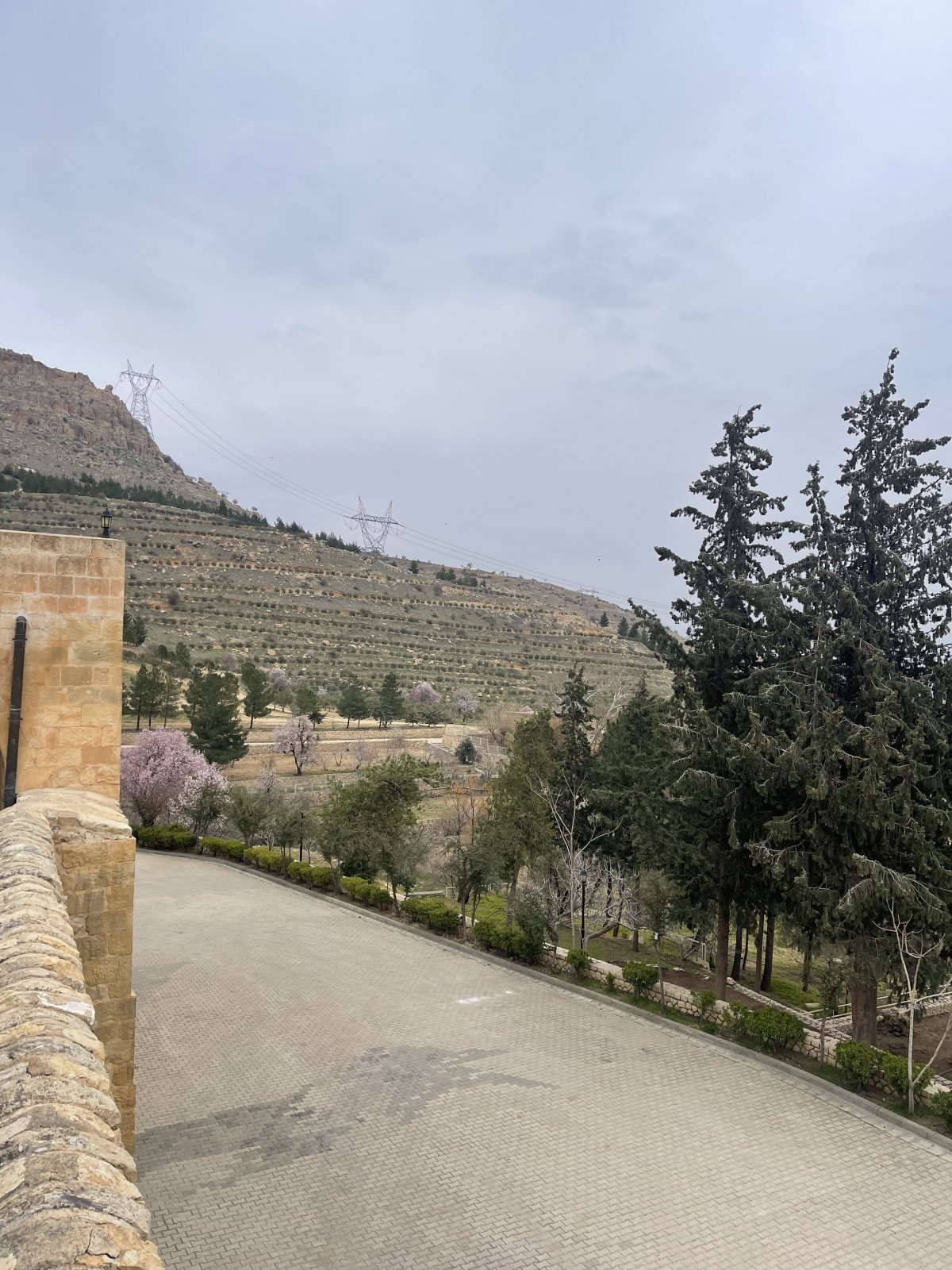
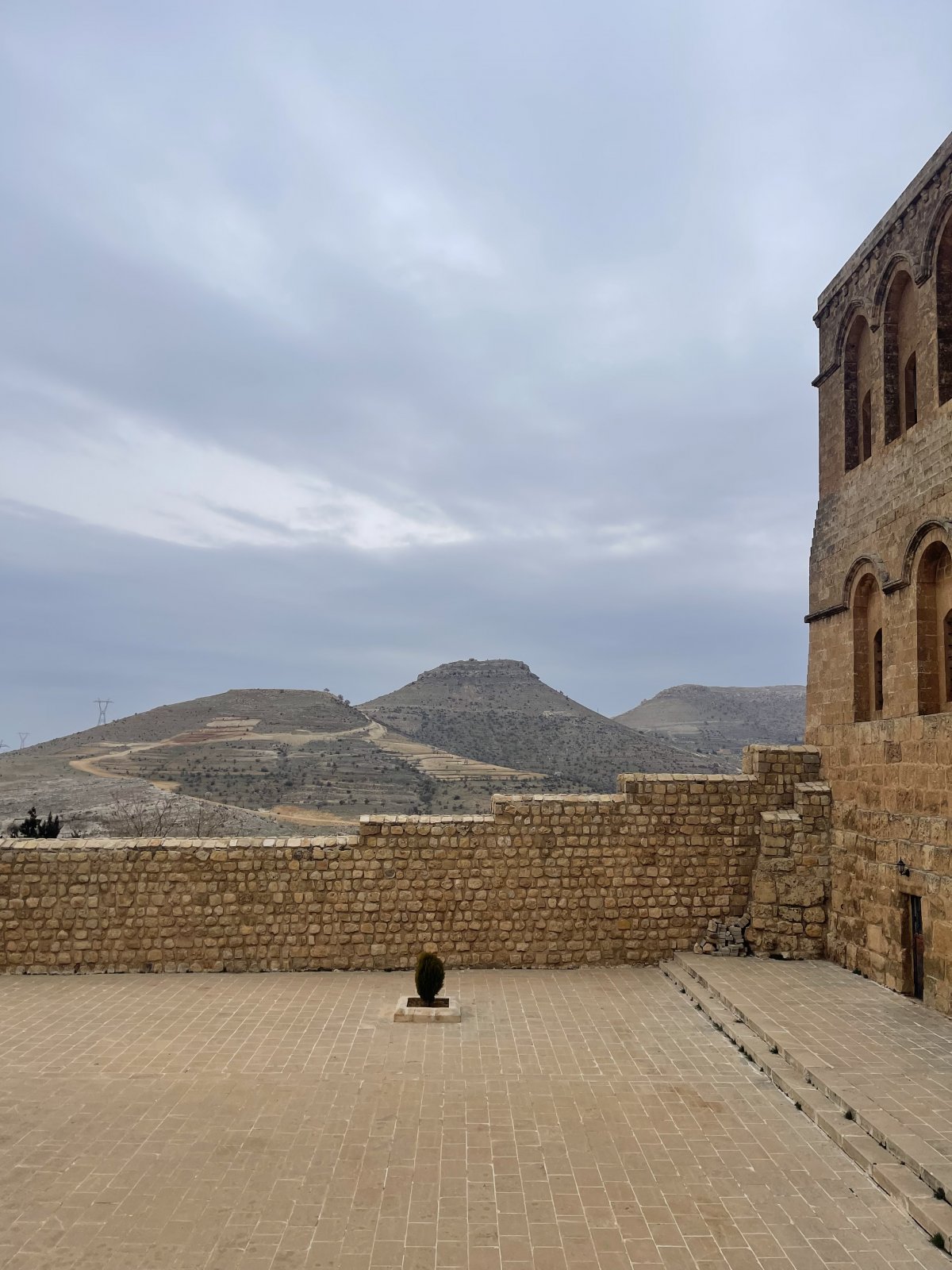
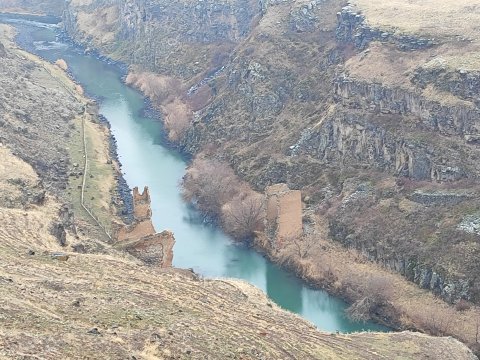
Deyrulzafaran Monastery (Turkish: Deyrülzafaran Manastırı, Syriac: Dayr al-Zafaran) is one of the oldest continuously used Christian monasteries in the world. Located just 4 km east of Mardin in Southeastern Türkiye, the monastery overlooks the Mesopotamian plains stretching toward the Tigris River valley, making it one of the region’s most important religious and cultural landmarks.
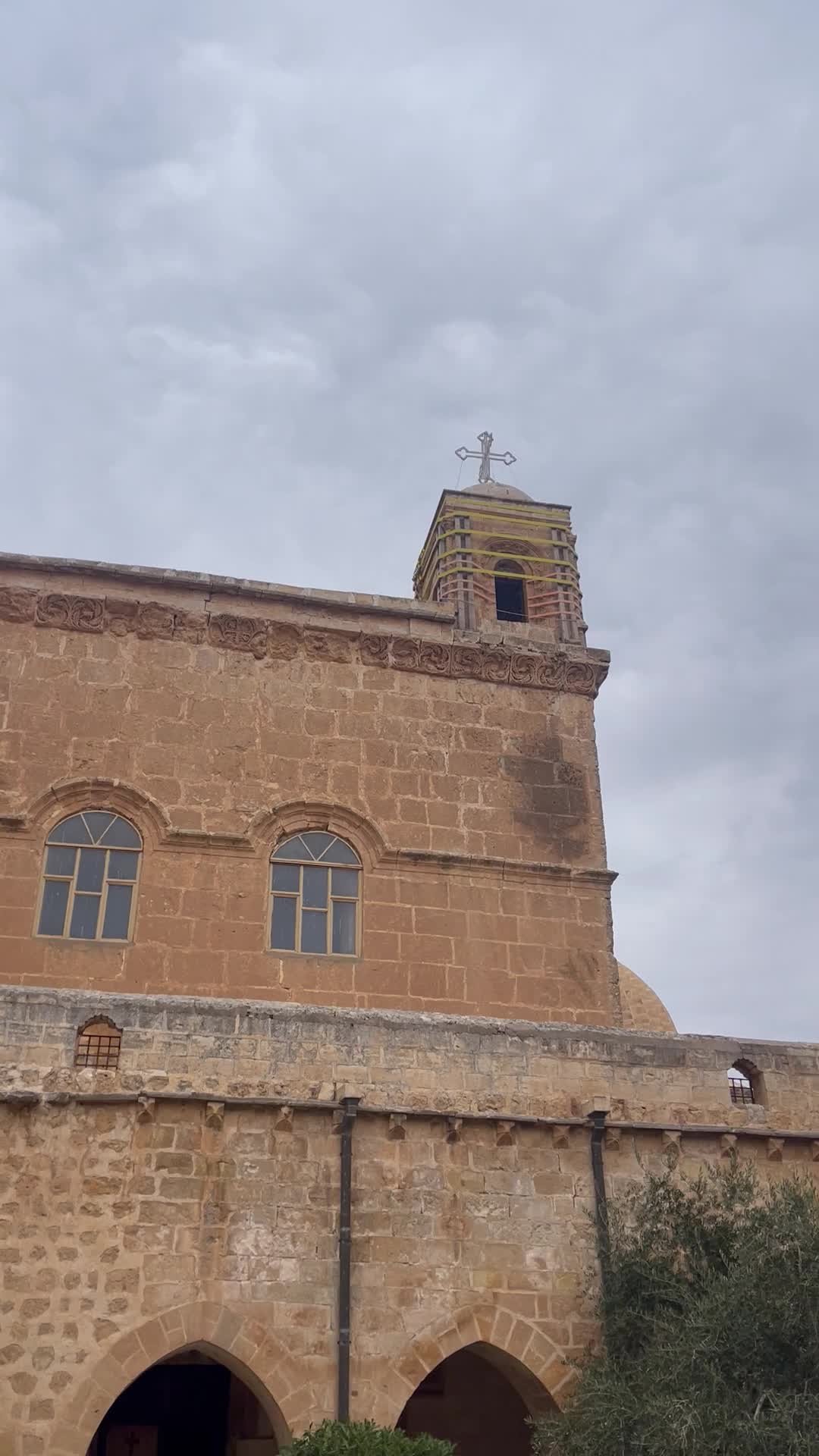
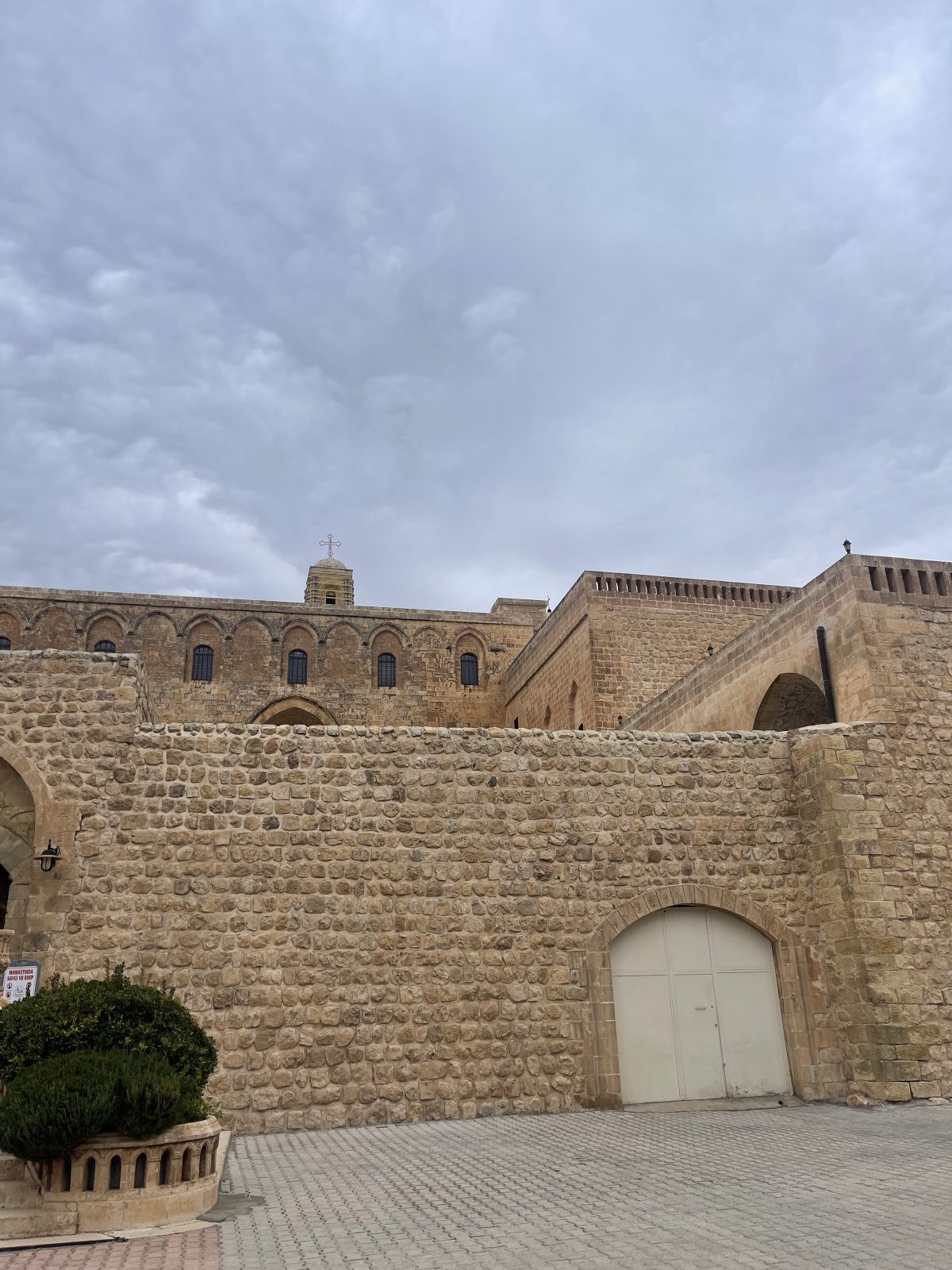
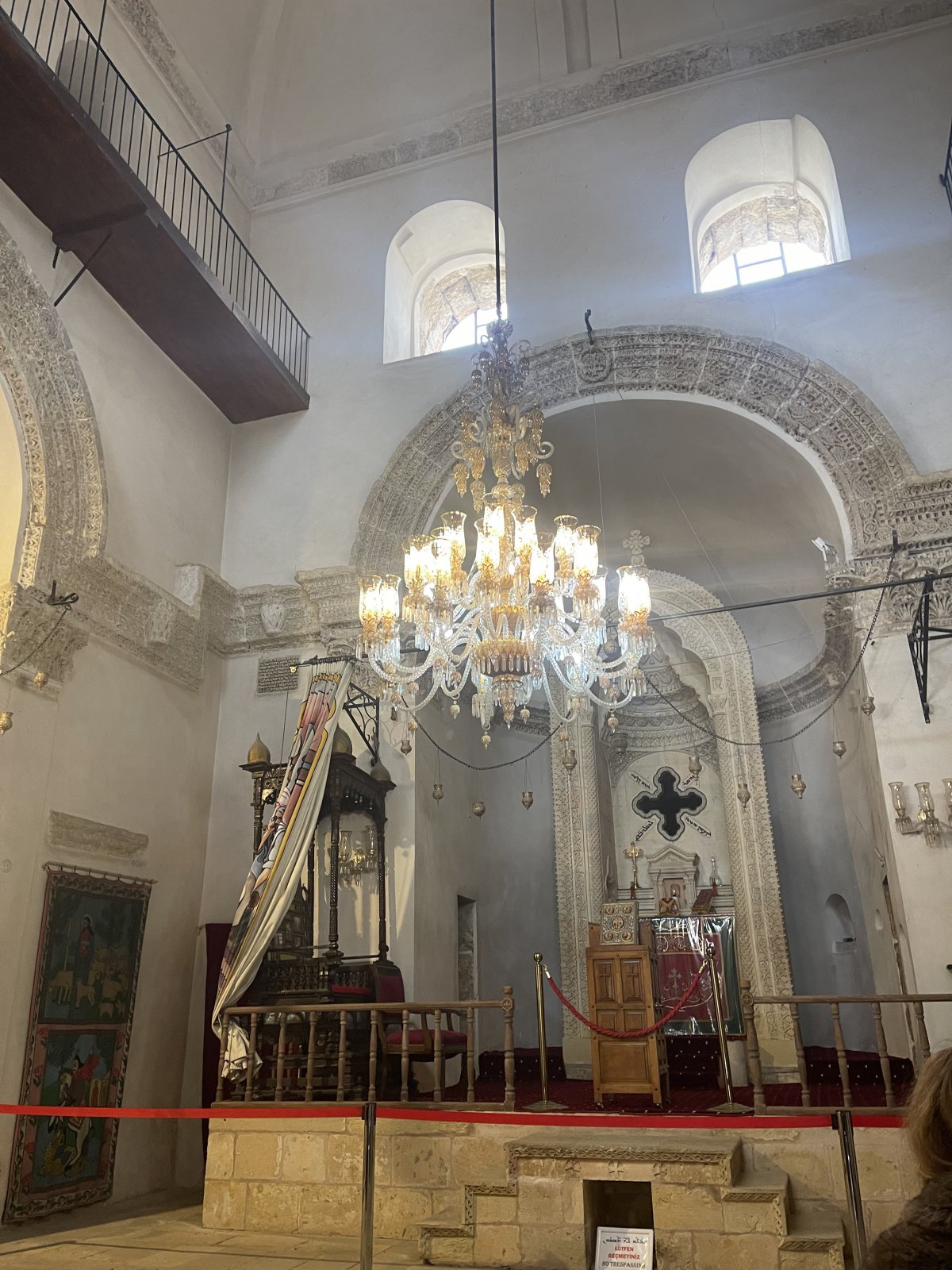
Founded in the 5th century CE, Deyrulzafaran served for centuries as the ecclesiastical center of the Syriac Orthodox Church and remains a living spiritual complex featuring historic chapels, monastic cells, ancient manuscripts, and iconic golden-yellow stone architecture typical of Mardin Province.
Recognised across Anatolia and the Mesopotamia region, Deyrulzafaran Monastery is celebrated for:
- Millennia-old Syriac Christian heritage
- Unique liturgical traditions preserved in Mardin
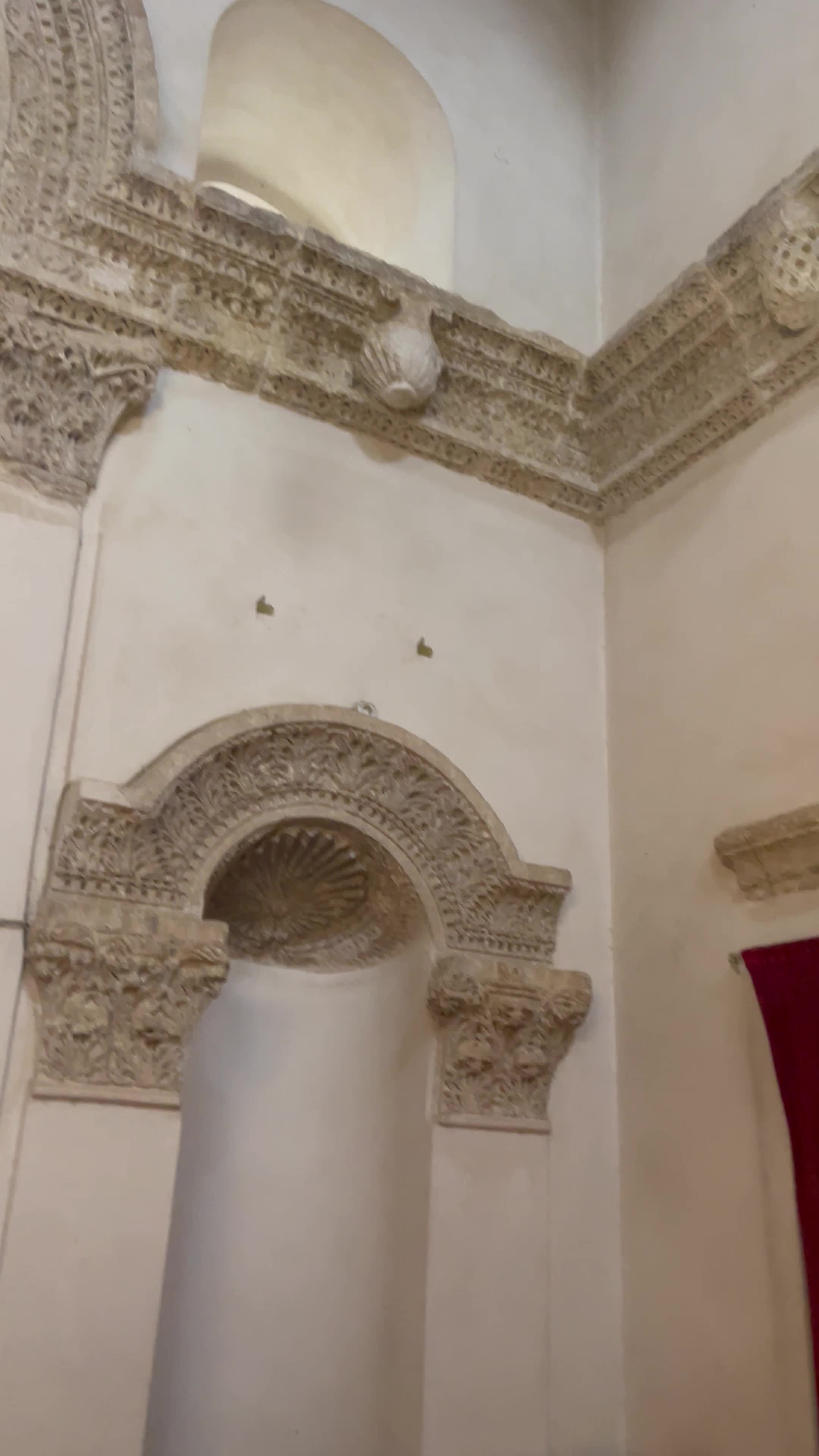
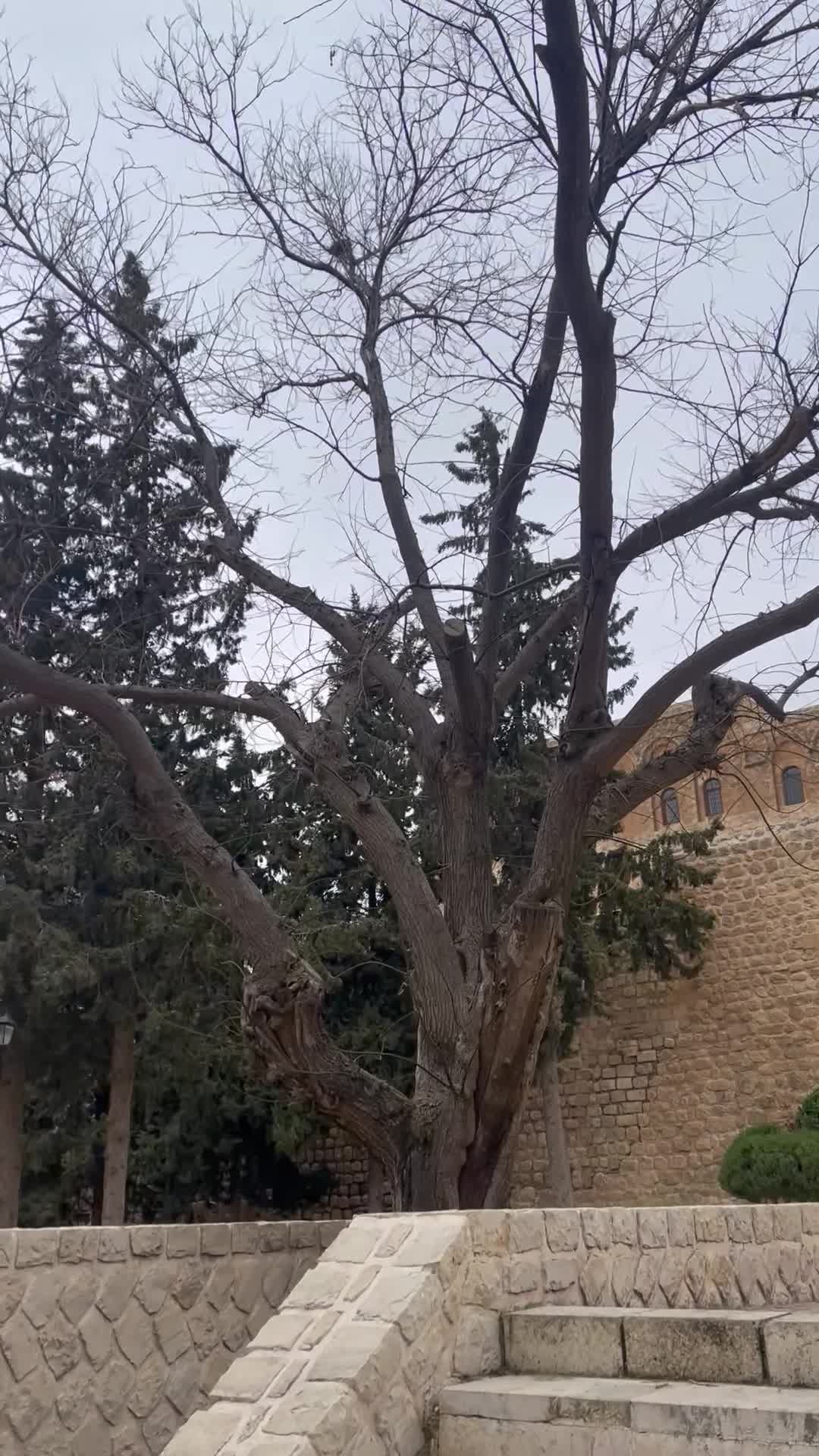
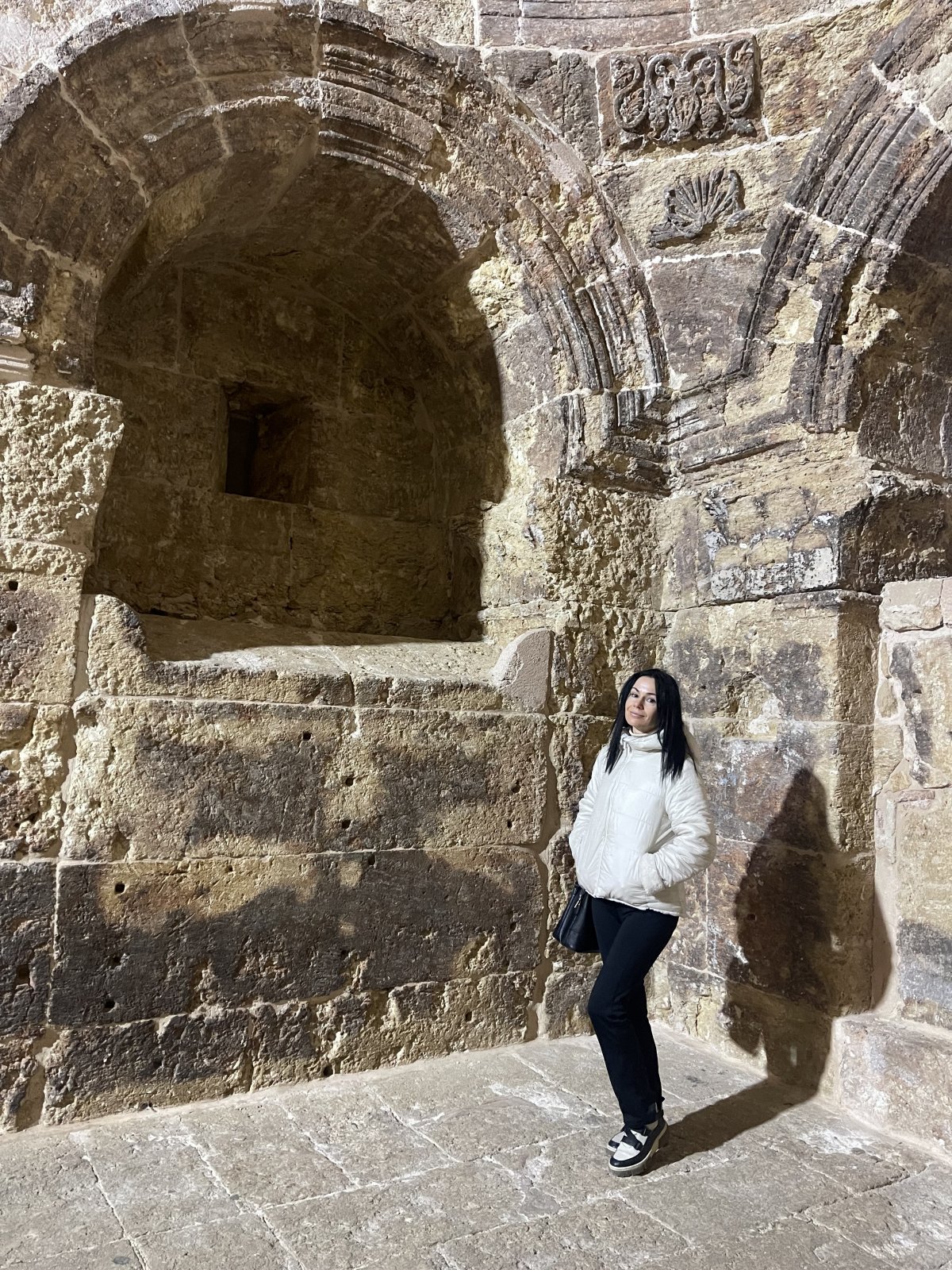
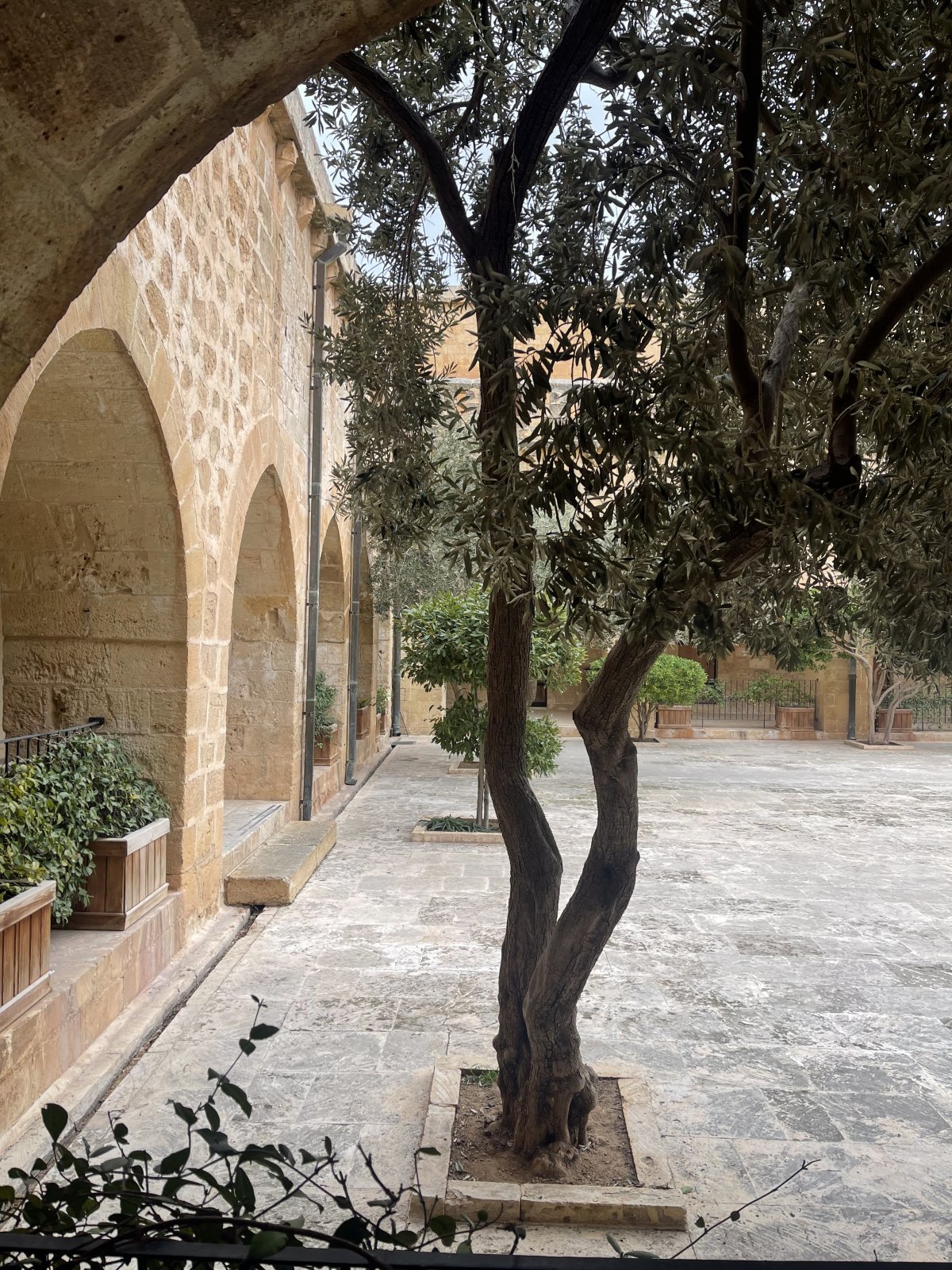
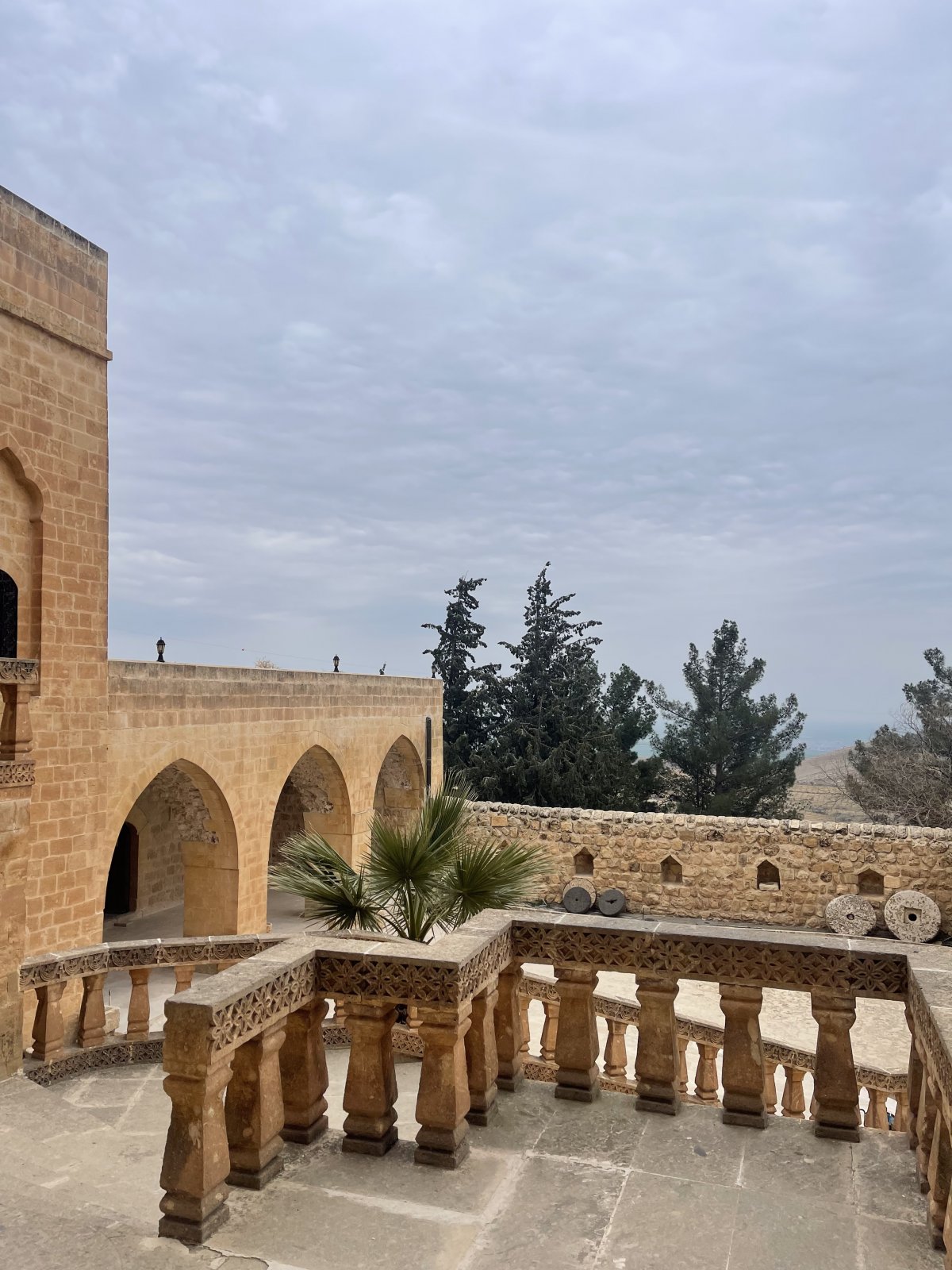
- Historic cloisters, stone carvings, and sacred courtyards
- A serene, hilltop setting with sweeping views over Southeast Türkiye
For more than 1,500 years, the monastery has been a center of Syriac learning and spirituality. Throughout its history, it has:
Served as the Patriarchal See of the Syriac Orthodox Church
Protected invaluable Syriac manuscripts and liturgical art
Survived centuries of upheaval in the wider Mesopotamian basin
Maintained continuous monastic life at the edge of Mardin’s Old City
Today, Deyrulzafaran is both a pilgrimage site and a key destination in Mardin’s cultural tourism, visited by travellers exploring the historic stone city, the Tur Abdin region, and the ancient Christian heritage sites of Southeastern Anatolia.
Its location on a small hill above Mardin’s sandstone skyline offers one of the most iconic views in Türkiye. The monastery is easily reachable by road from Mardin city centre, Midyat, and nearby historic villages known for Syriac culture.
Visitor Information
Opening Hours: Open year-round (restricted access during prayers)
Best Time to Visit: Spring and autumn for mild weather and the clearest views of the Mesopotamian plains
FAQ
1. Where is Deyrulzafaran Monastery located?
Deyrulzafaran Monastery is located just 4 km east of Mardin in Southeastern Türkiye, overlooking the Mesopotamian plains. It sits on a hilltop near Mardin’s Old City and can be reached easily by road.
2. What is the historical significance of Deyrulzafaran Monastery?
Founded in the 5th century CE, the monastery served for centuries as the Patriarchal See of the Syriac Orthodox Church. It is one of the world’s oldest continuously used Christian monastic complexes and a major centre of Syriac culture, liturgy, and learning.
3. What can visitors see inside the monastery?
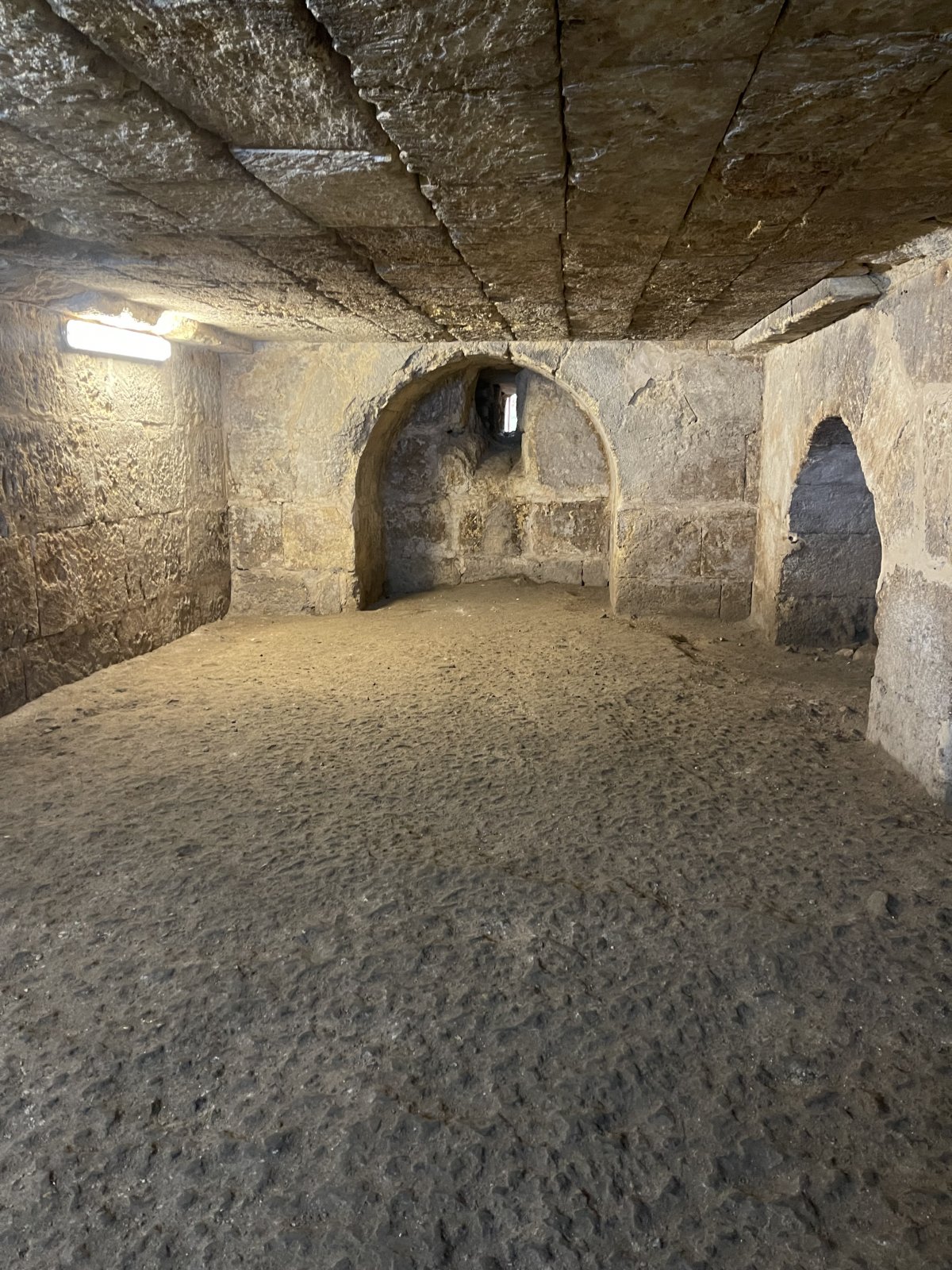
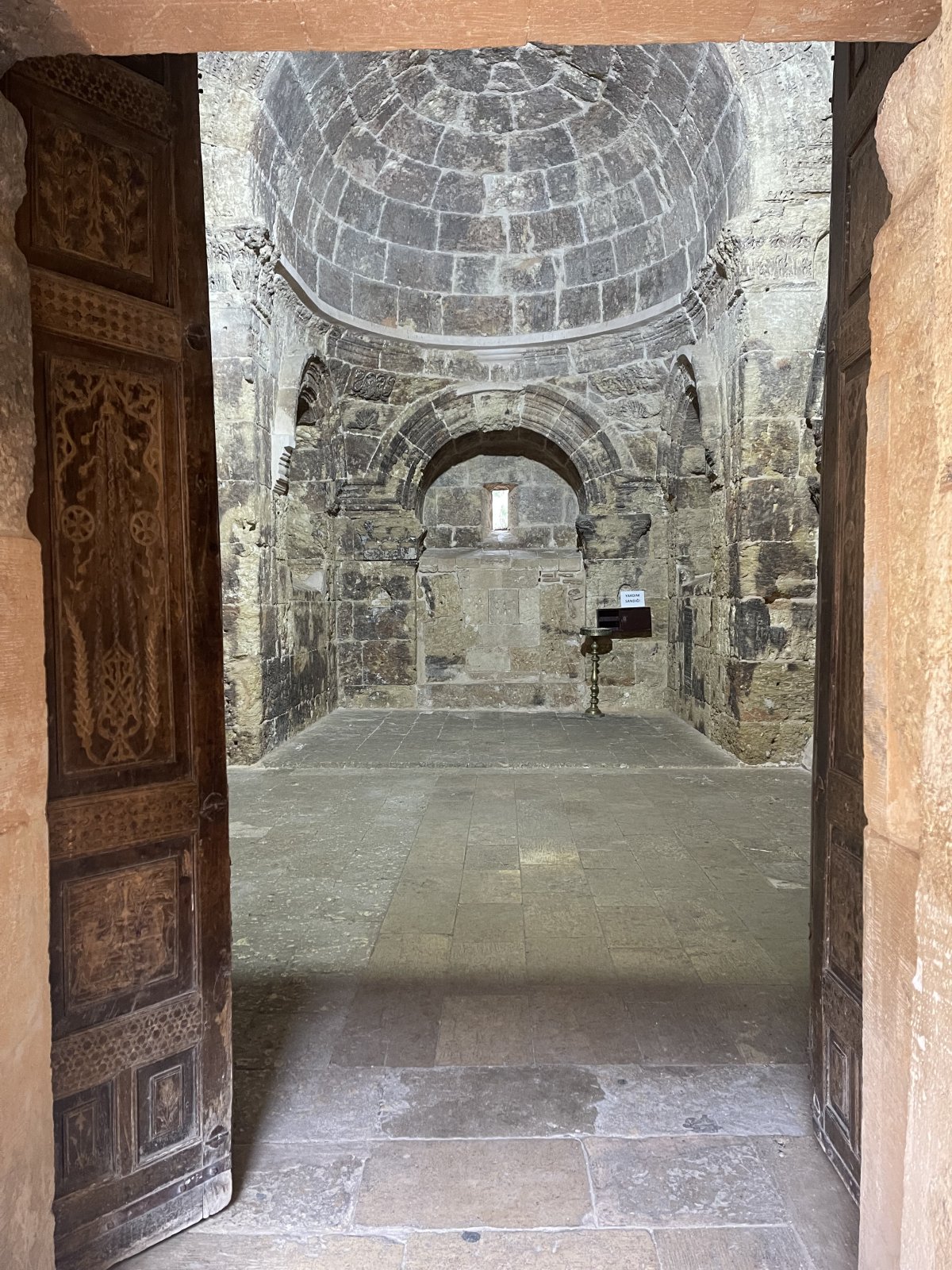
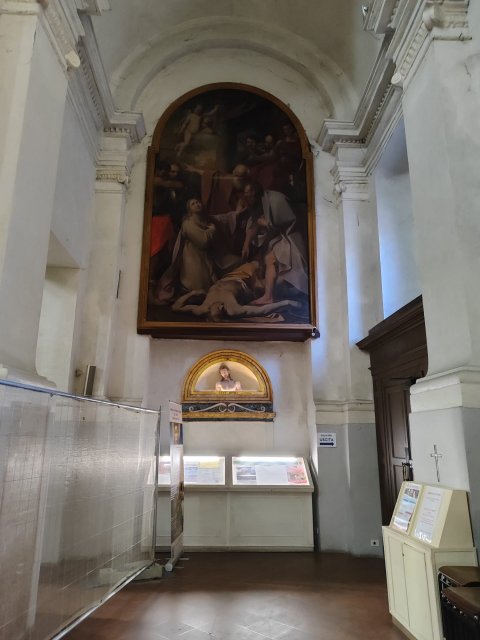
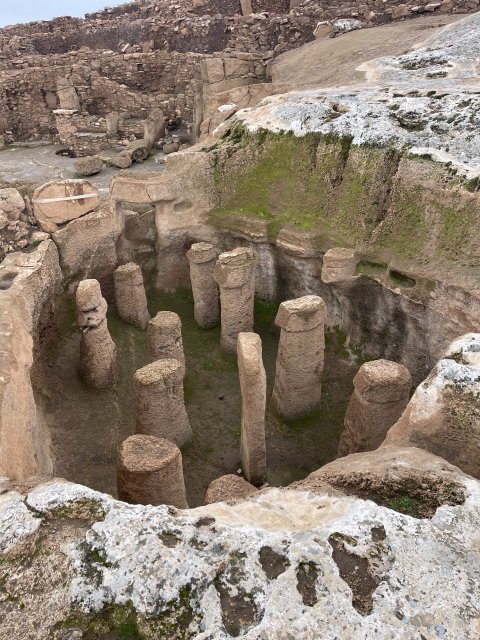
Visitors can explore ancient chapels, monastic cells, stone courtyards, historic carvings, and preserved Syriac manuscripts. The golden-stone architecture and panoramic views over the Mesopotamian plains are among the highlights.
4. What are the opening hours of Deyrulzafaran Monastery?
The monastery is open year-round. Access may be limited during prayer times or special services, so visiting earlier in the day is recommended.
5. What is the best time of year to visit Deyrulzafaran Monastery?
Spring (April–June) and autumn (September–October) offer the most comfortable weather and the clearest views of Mardin and the surrounding Mesopotamian landscape.
6. How do I get to Deyrulzafaran Monastery from Mardin?
The monastery is a short 10–15 minute drive from Mardin city centre. Taxis, private tours, and rental cars are the most common ways to reach it.
7. Is Deyrulzafaran Monastery still active?
Yes. Deyrulzafaran remains an active Syriac Orthodox monastic community and a functioning religious site that continues its traditions, rituals, and cultural preservation.
8. Are there guided tours available?
Yes. Guided tours are offered on-site, often led by community members who explain the monastery’s history, architecture, Syriac culture, and significance within the Tur Abdin region.
Founded in the 5th century CE, Deyrulzafaran served for centuries as the ecclesiastical center of the Syriac Orthodox Church and remains a living spiritual complex featuring historic chapels, monastic cells, ancient manuscripts, and iconic golden-yellow stone architecture typical of Mardin Province.
Recognised across Anatolia and the Mesopotamia region, Deyrulzafaran Monastery is celebrated for:
- Millennia-old Syriac Christian heritage
- Unique liturgical traditions preserved in Mardin
- Historic cloisters, stone carvings, and sacred courtyards
- A serene, hilltop setting with sweeping views over Southeast Türkiye
For more than 1,500 years, the monastery has been a center of Syriac learning and spirituality. Throughout its history, it has:
Served as the Patriarchal See of the Syriac Orthodox Church
Protected invaluable Syriac manuscripts and liturgical art
Survived centuries of upheaval in the wider Mesopotamian basin
Maintained continuous monastic life at the edge of Mardin’s Old City
Today, Deyrulzafaran is both a pilgrimage site and a key destination in Mardin’s cultural tourism, visited by travellers exploring the historic stone city, the Tur Abdin region, and the ancient Christian heritage sites of Southeastern Anatolia.
Its location on a small hill above Mardin’s sandstone skyline offers one of the most iconic views in Türkiye. The monastery is easily reachable by road from Mardin city centre, Midyat, and nearby historic villages known for Syriac culture.
Visitor Information
Opening Hours: Open year-round (restricted access during prayers)
Best Time to Visit: Spring and autumn for mild weather and the clearest views of the Mesopotamian plains
FAQ
1. Where is Deyrulzafaran Monastery located?
Deyrulzafaran Monastery is located just 4 km east of Mardin in Southeastern Türkiye, overlooking the Mesopotamian plains. It sits on a hilltop near Mardin’s Old City and can be reached easily by road.
2. What is the historical significance of Deyrulzafaran Monastery?
Founded in the 5th century CE, the monastery served for centuries as the Patriarchal See of the Syriac Orthodox Church. It is one of the world’s oldest continuously used Christian monastic complexes and a major centre of Syriac culture, liturgy, and learning.
3. What can visitors see inside the monastery?
Visitors can explore ancient chapels, monastic cells, stone courtyards, historic carvings, and preserved Syriac manuscripts. The golden-stone architecture and panoramic views over the Mesopotamian plains are among the highlights.
4. What are the opening hours of Deyrulzafaran Monastery?
The monastery is open year-round. Access may be limited during prayer times or special services, so visiting earlier in the day is recommended.
5. What is the best time of year to visit Deyrulzafaran Monastery?
Spring (April–June) and autumn (September–October) offer the most comfortable weather and the clearest views of Mardin and the surrounding Mesopotamian landscape.
6. How do I get to Deyrulzafaran Monastery from Mardin?
The monastery is a short 10–15 minute drive from Mardin city centre. Taxis, private tours, and rental cars are the most common ways to reach it.
7. Is Deyrulzafaran Monastery still active?
Yes. Deyrulzafaran remains an active Syriac Orthodox monastic community and a functioning religious site that continues its traditions, rituals, and cultural preservation.
8. Are there guided tours available?
Yes. Guided tours are offered on-site, often led by community members who explain the monastery’s history, architecture, Syriac culture, and significance within the Tur Abdin region.