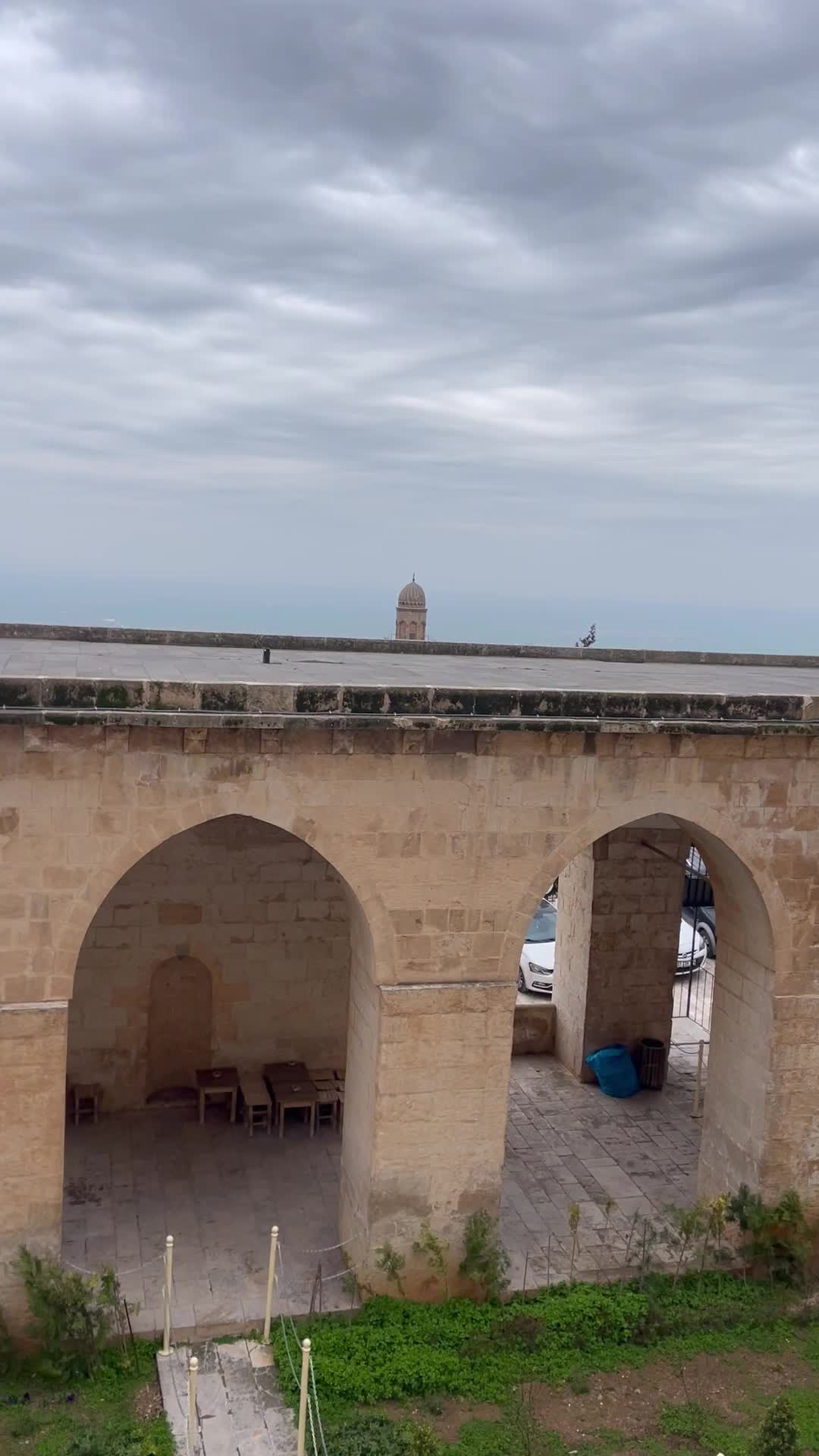
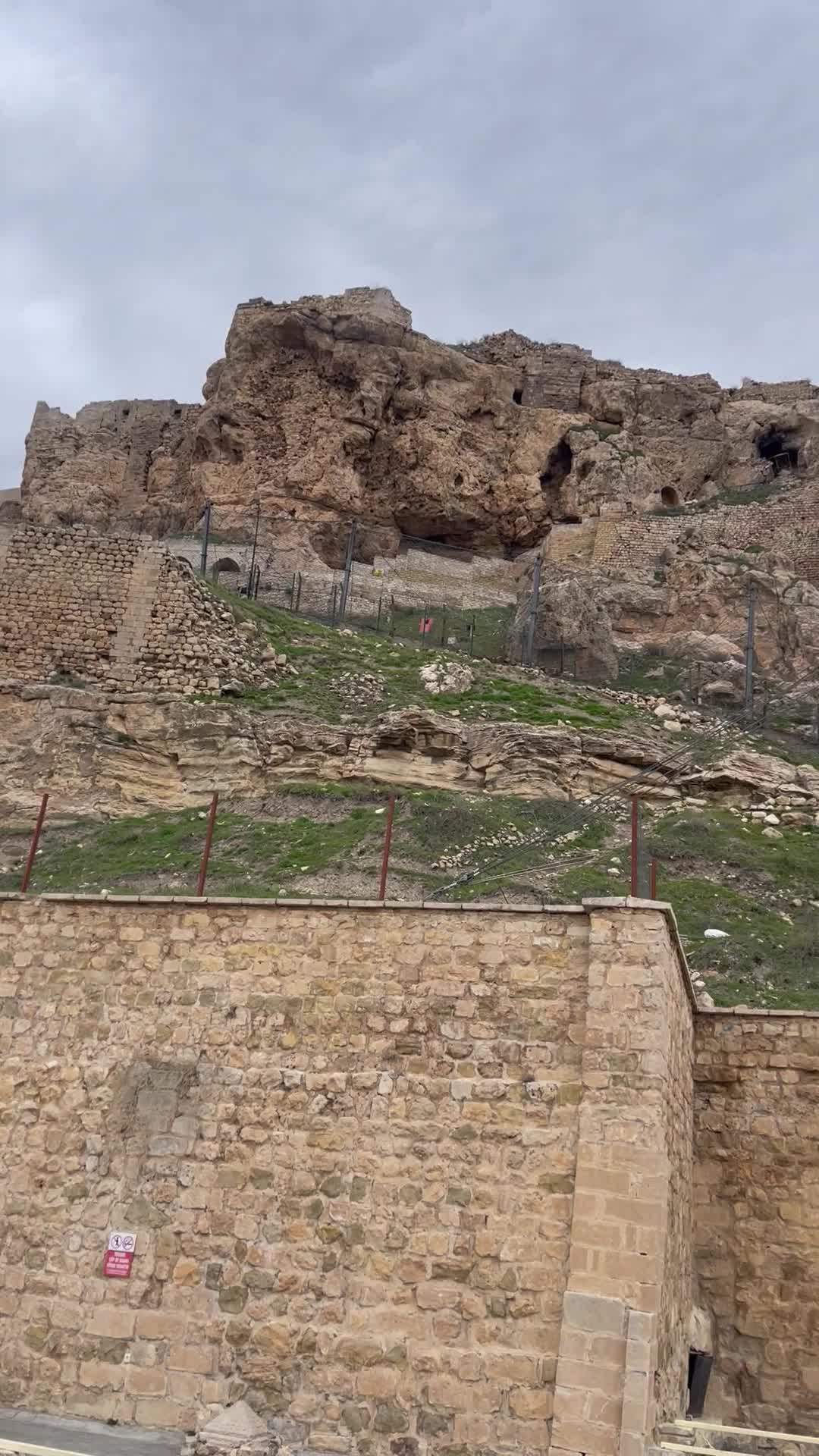
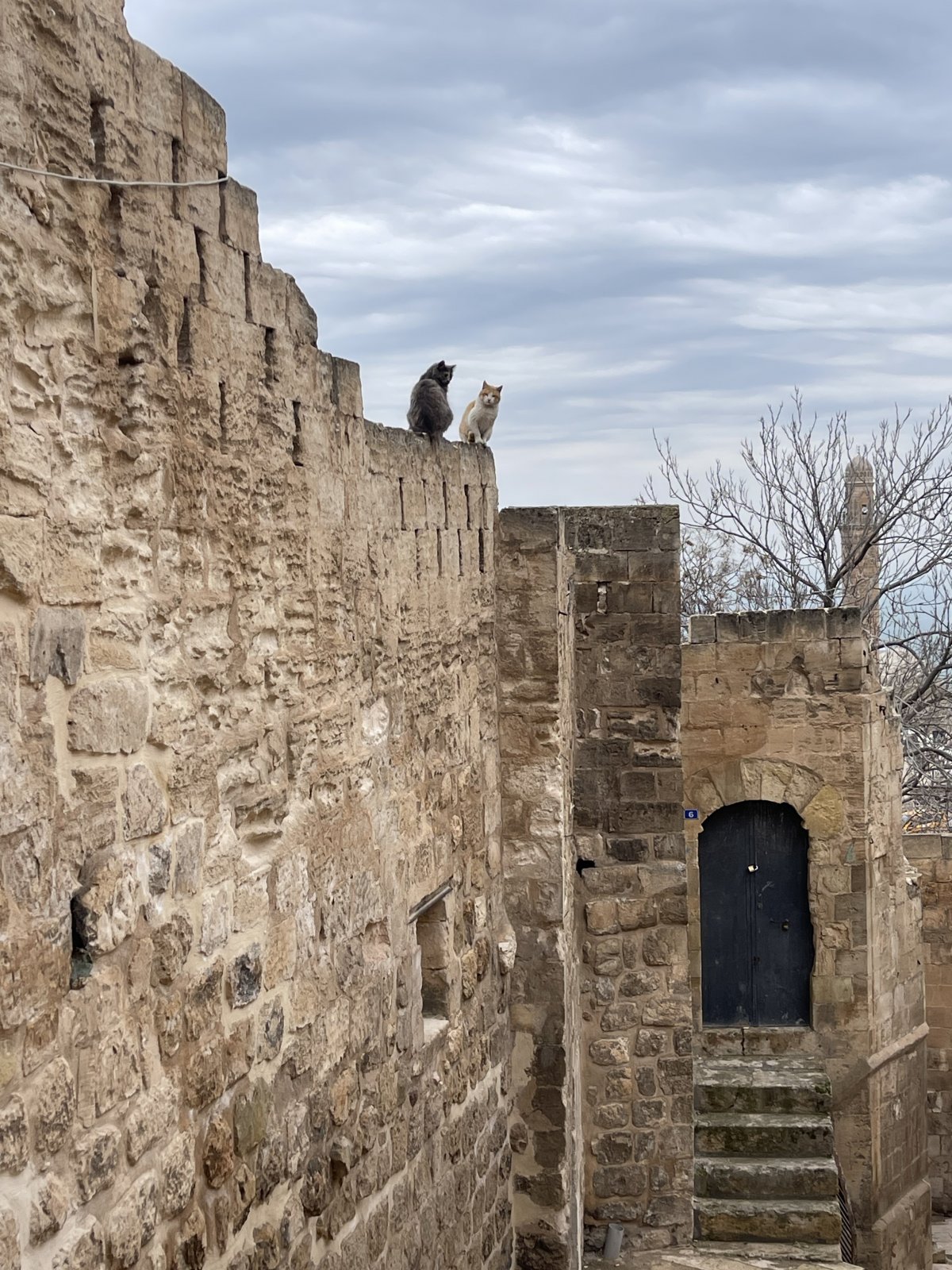
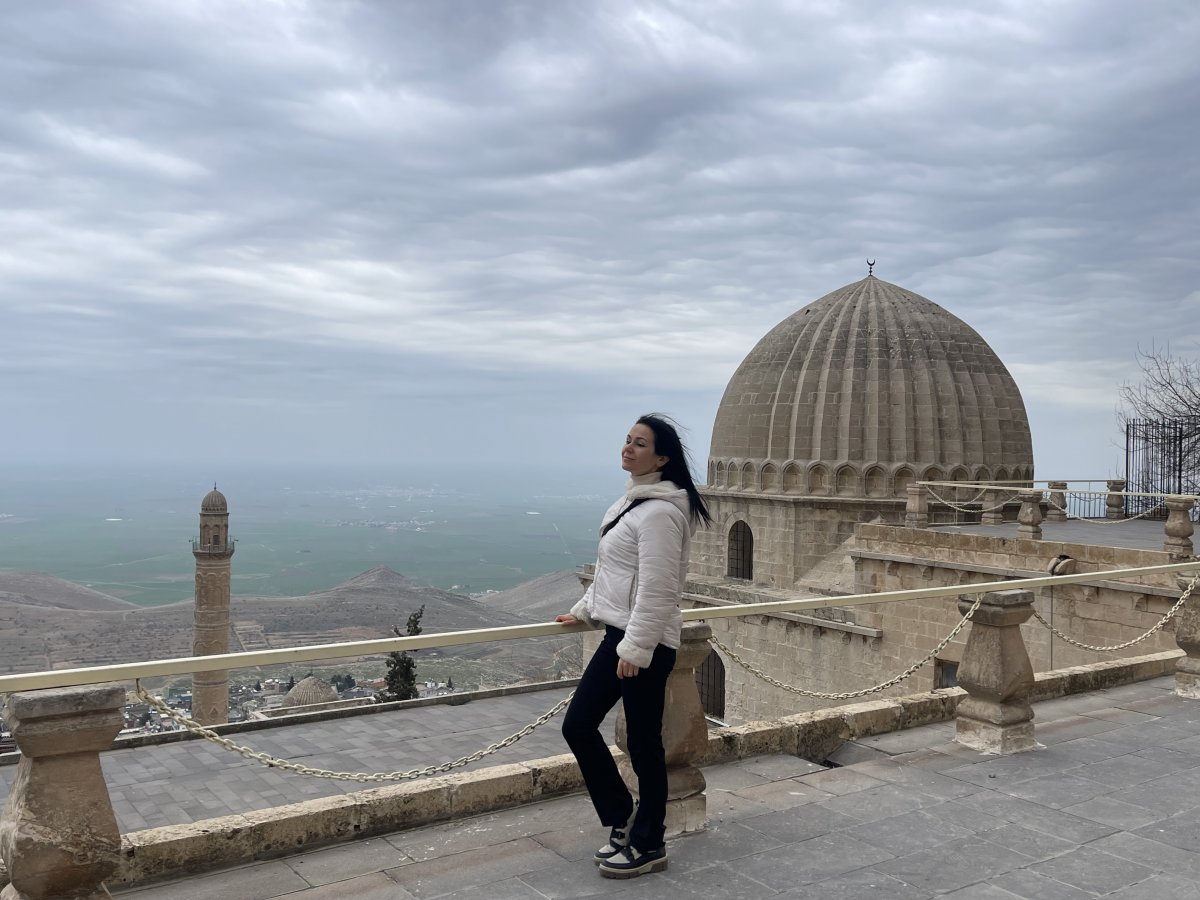
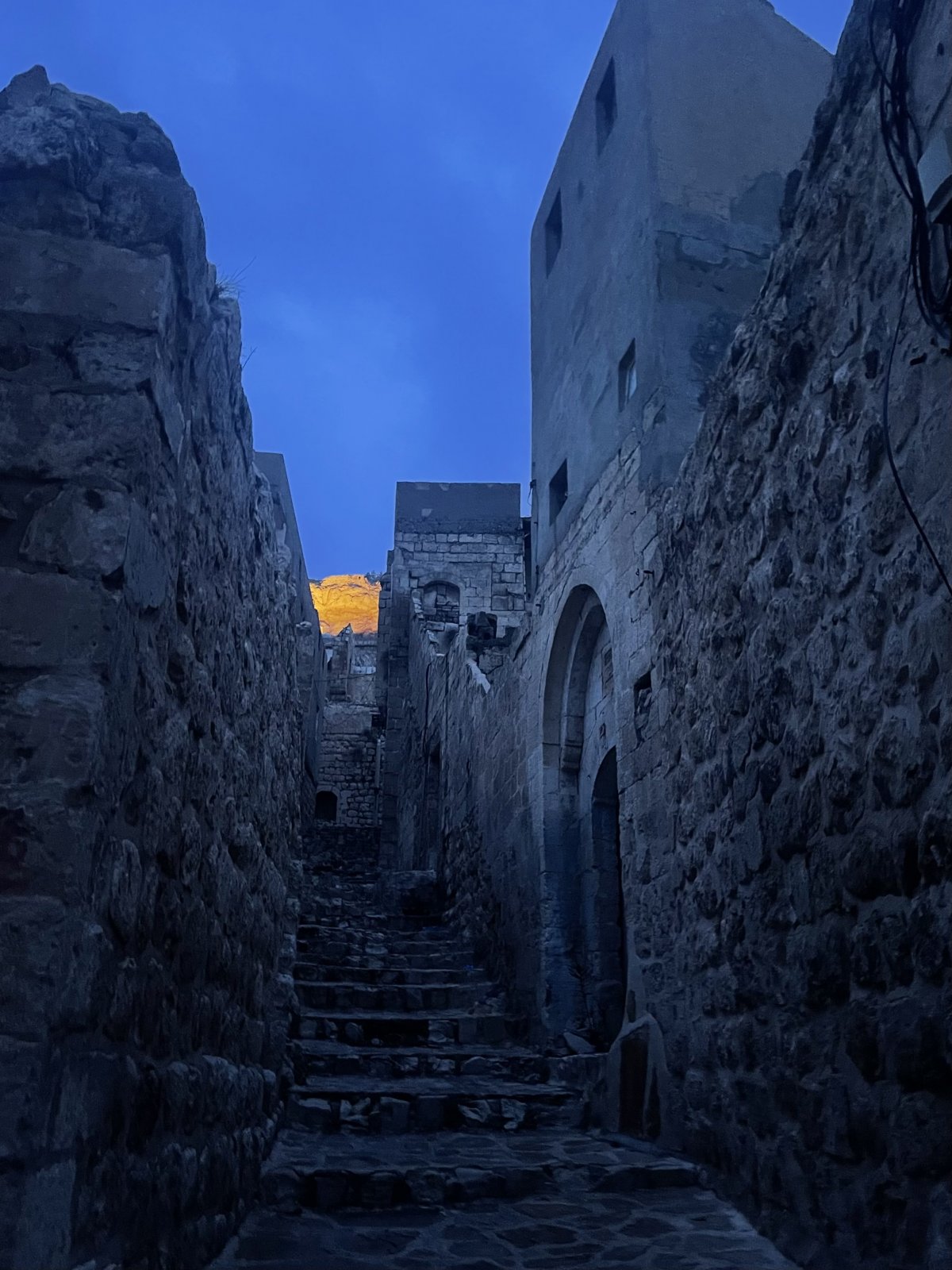
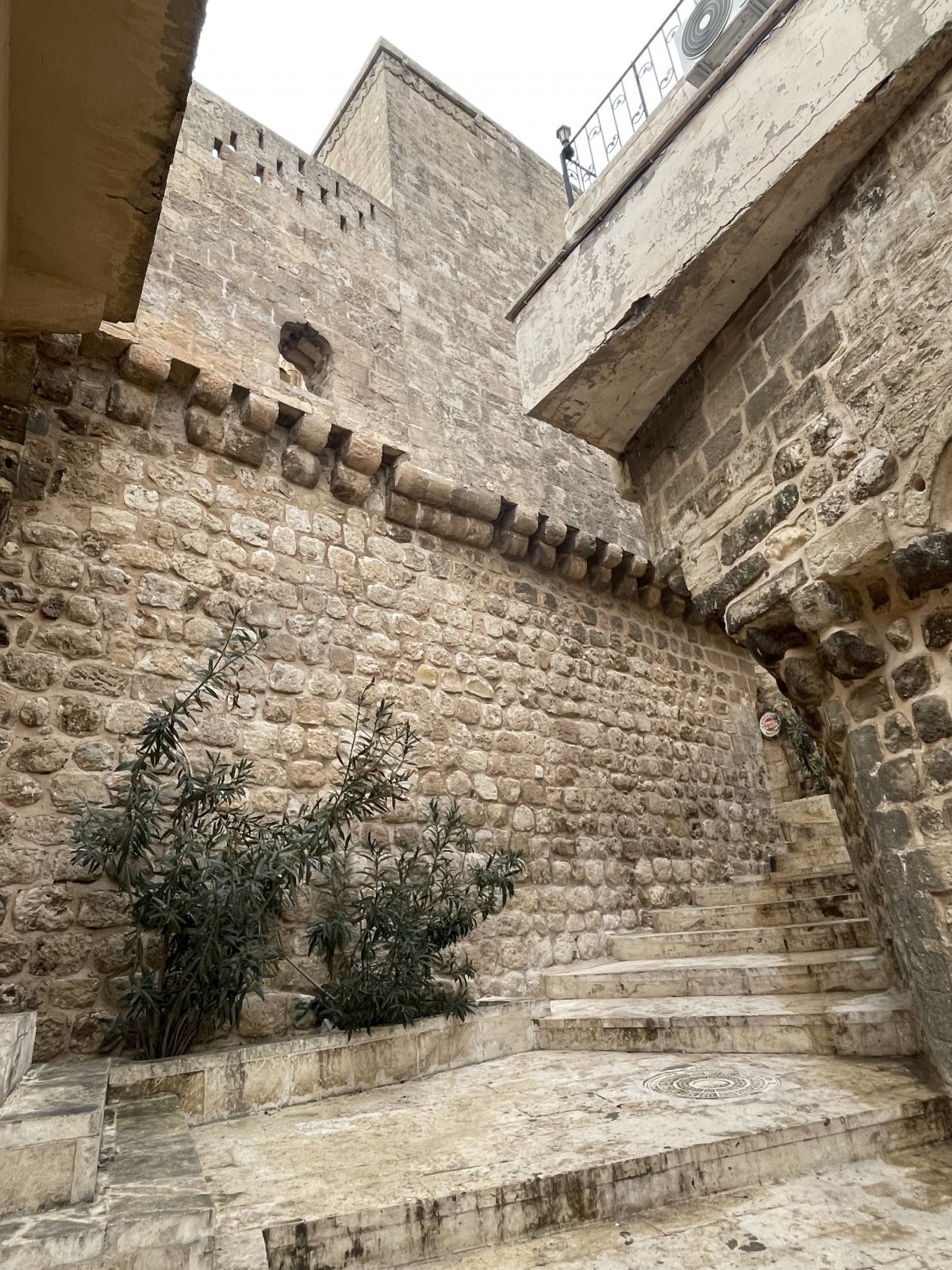
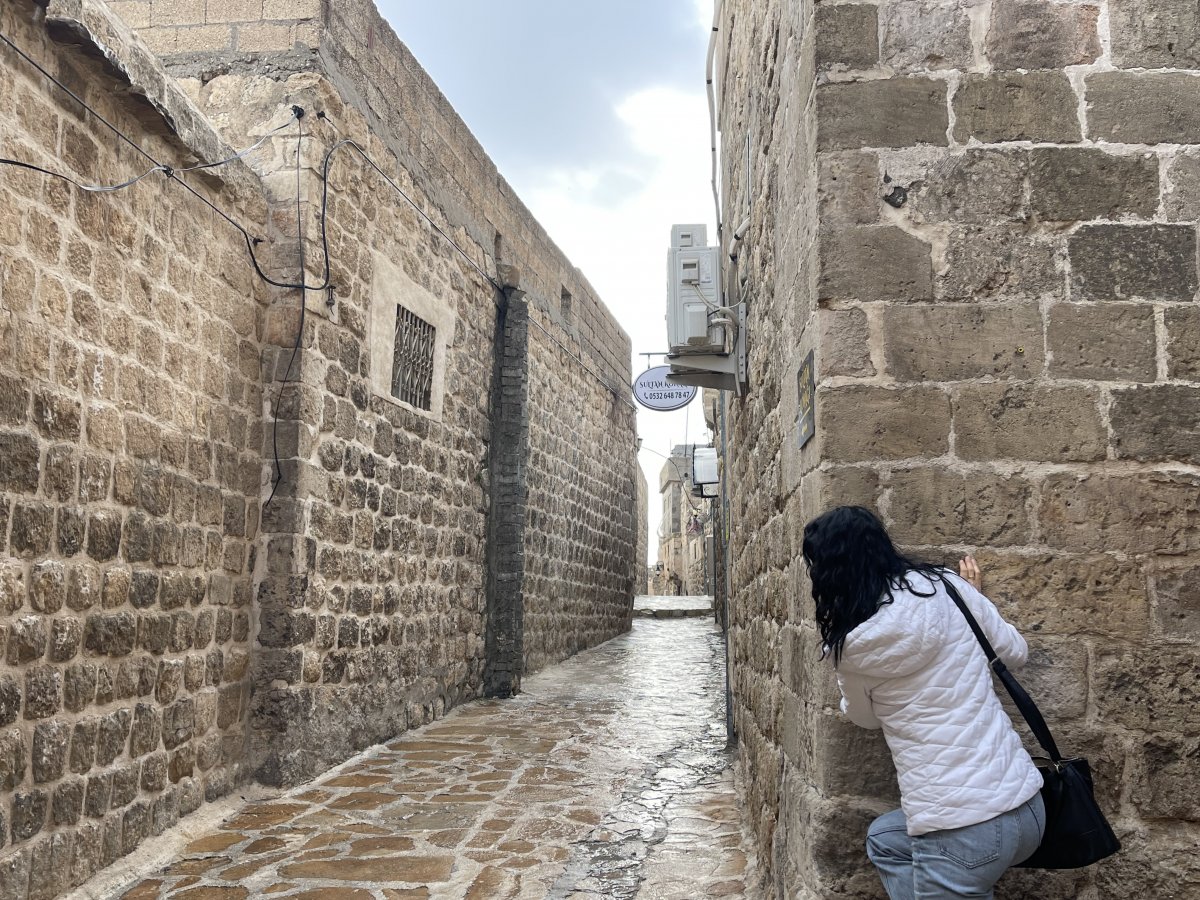
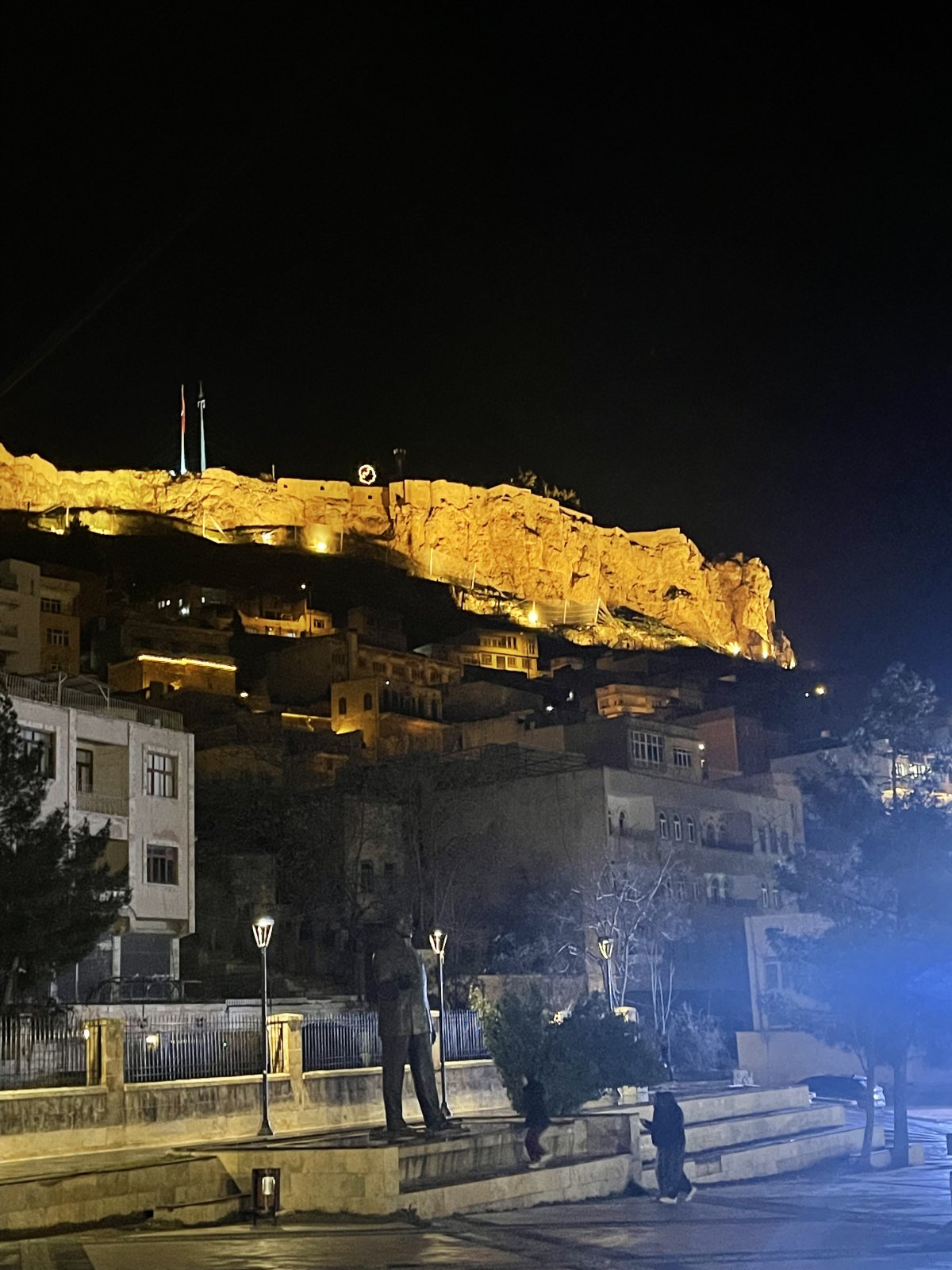
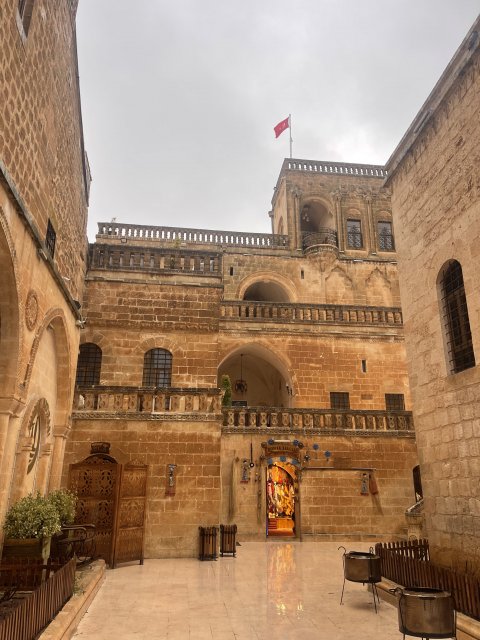
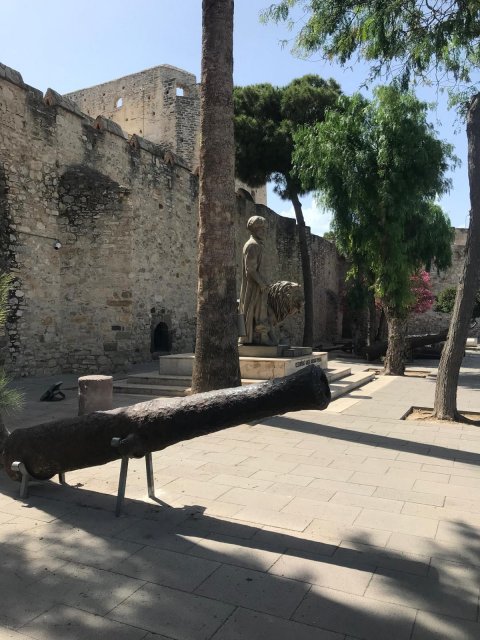
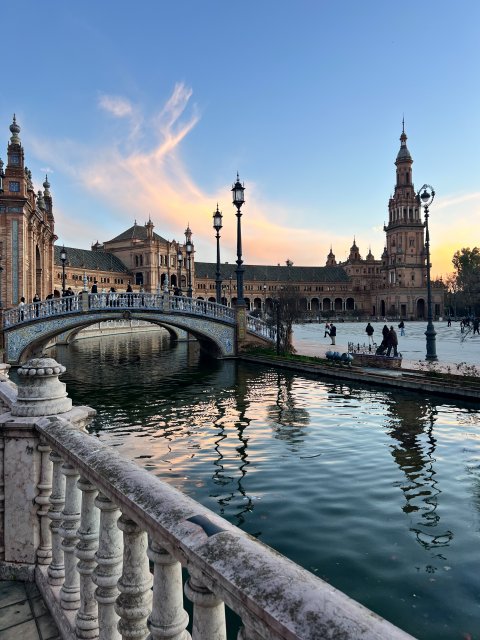
Perched on the slopes of a rocky hill overlooking the Mesopotamian plains, Mardin Old Town is a living museum of stone. Its honey-colored houses, carved from local limestone, glow golden at sunset, creating one of the most iconic skylines in Southeastern Türkiye. Walking through its labyrinth of narrow alleys feels like stepping back in time as every corner whispers stories of civilizations that once thrived here.
A Crossroads of Civilizations
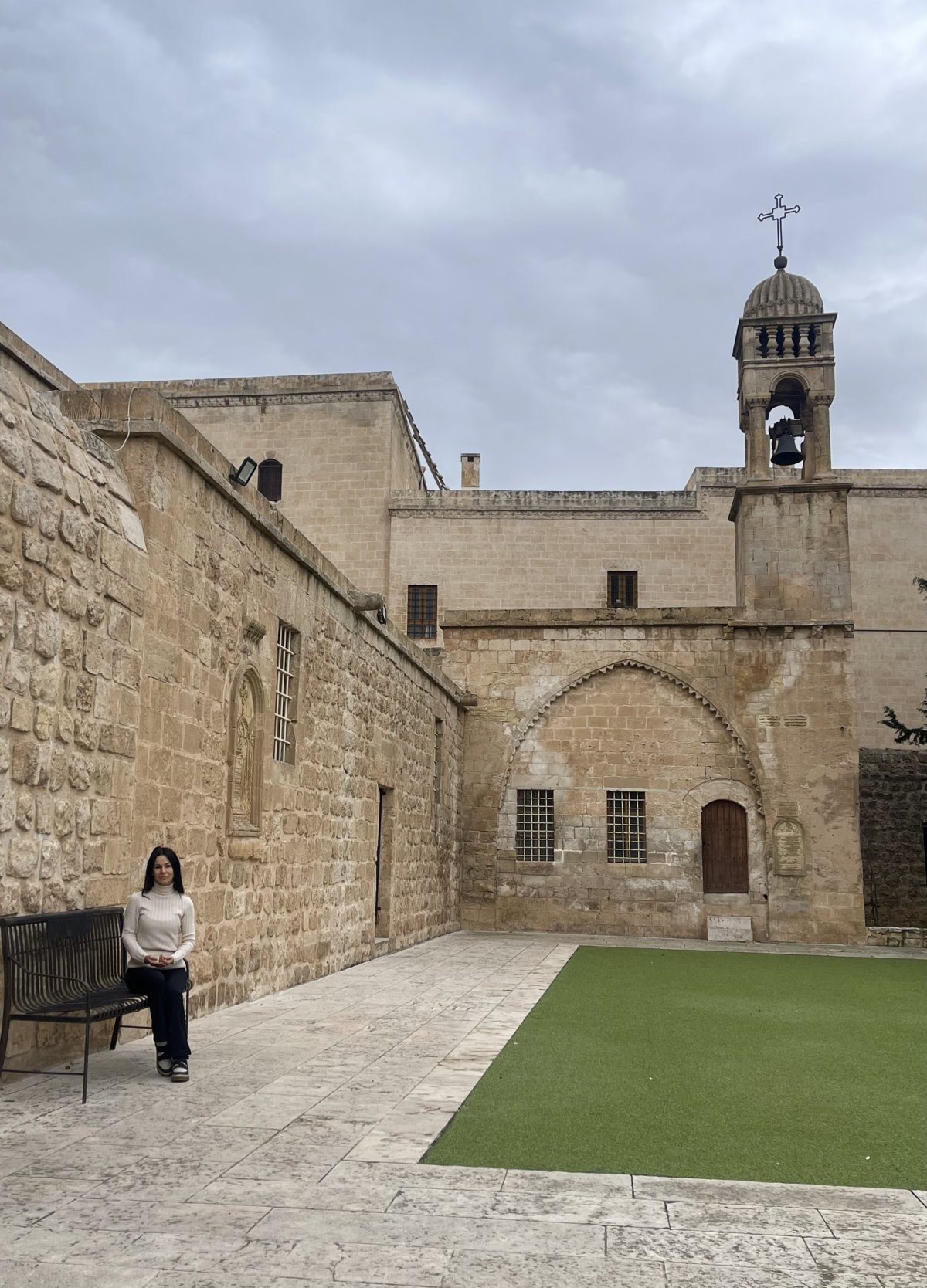
For centuries, Mardin has been a cultural crossroads, where Assyrians, Arabs, Kurds, Armenians, and Turks lived side by side. The Old Town preserves this diversity in its architecture:
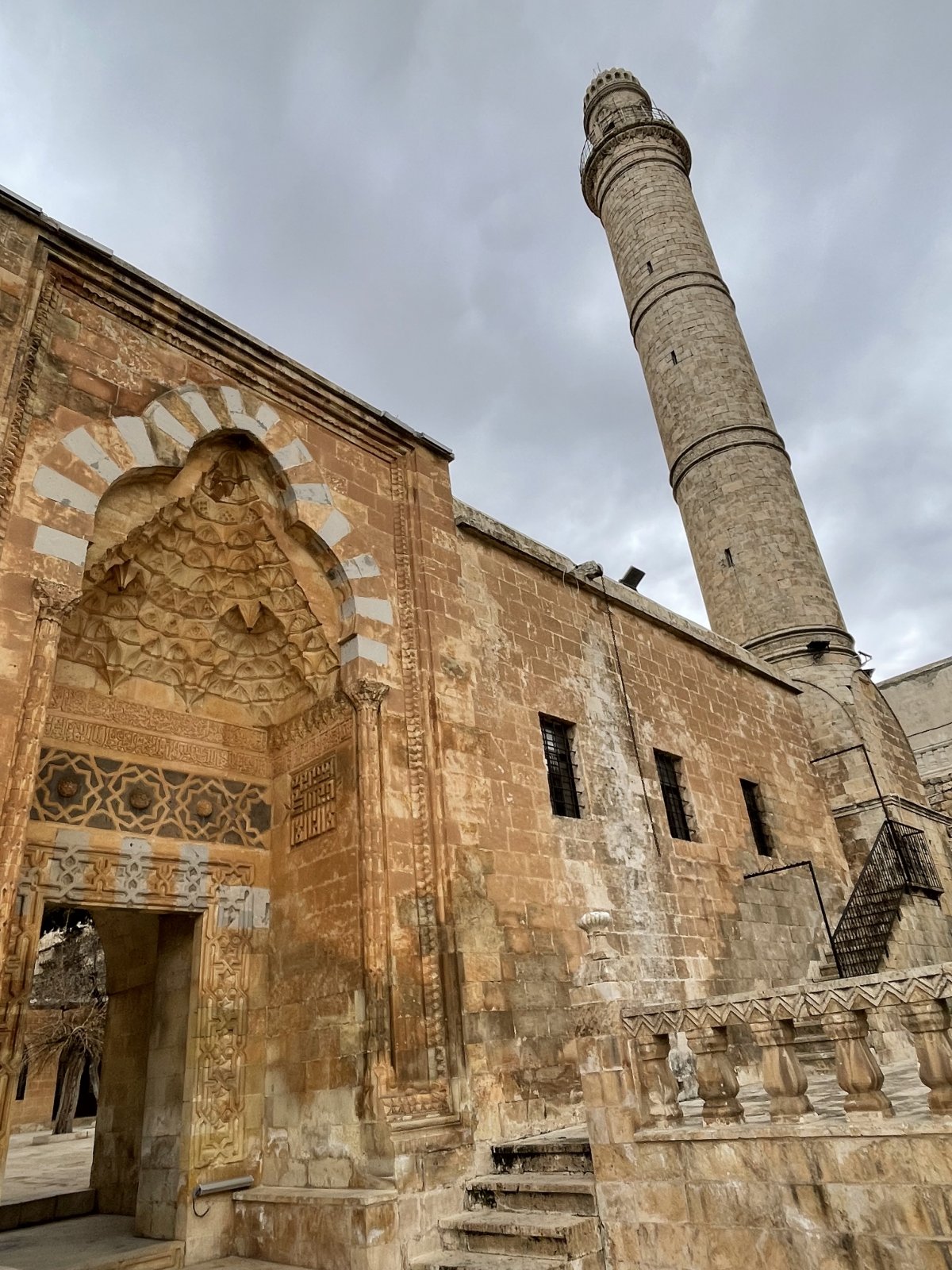
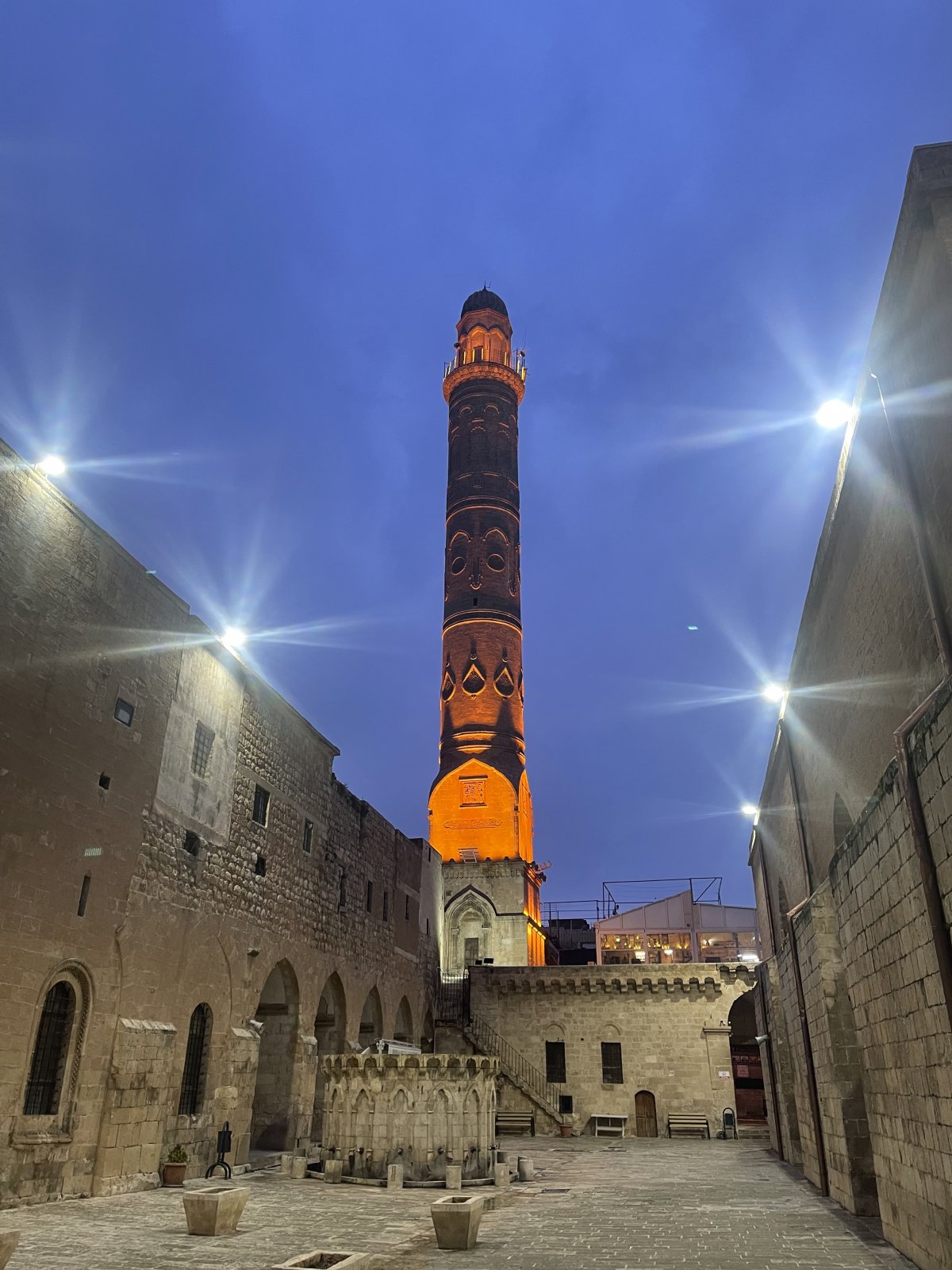
- Mosques with elegant minarets
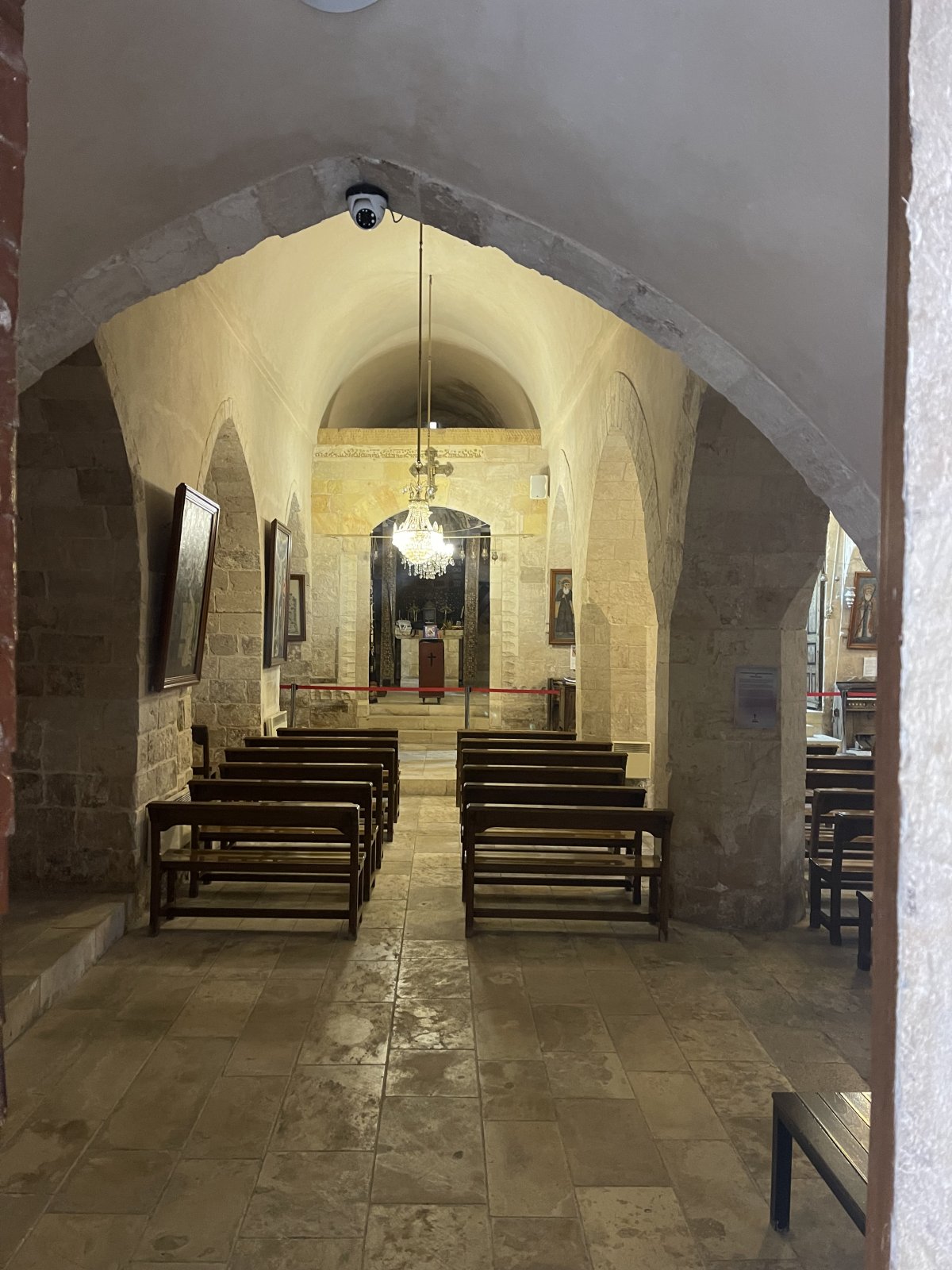
- Churches of Syriac Christianity, including Deyrulzafaran Monastery nearby
- Madrasas and caravanserais that once welcomed scholars and traders
This blend of faiths and traditions makes Mardin Old Town a symbol of coexistence.
Architectural Heritage
The hallmark of Mardin’s Old Town is its terraced stone houses, built to adapt to the steep hillside. Each home features:
Courtyards and arched windows designed for shade and ventilation
Intricate carvings reflecting Islamic and Syriac artistry
Flat rooftops that double as social spaces, offering panoramic views of the Mesopotamian plains
The golden hue of the limestone gives the city its timeless charm
Location: Southeastern Türkiye, overlooking the Mesopotamian plains
UNESCO Candidate: Mardin Old Town is on the tentative list for UNESCO World Heritage status, recognized for its cultural and architectural value.
Visitor Experience
Exploring Mardin Old Town means:
Strolling through bazaars filled with copperware, textiles, and local delicacies.
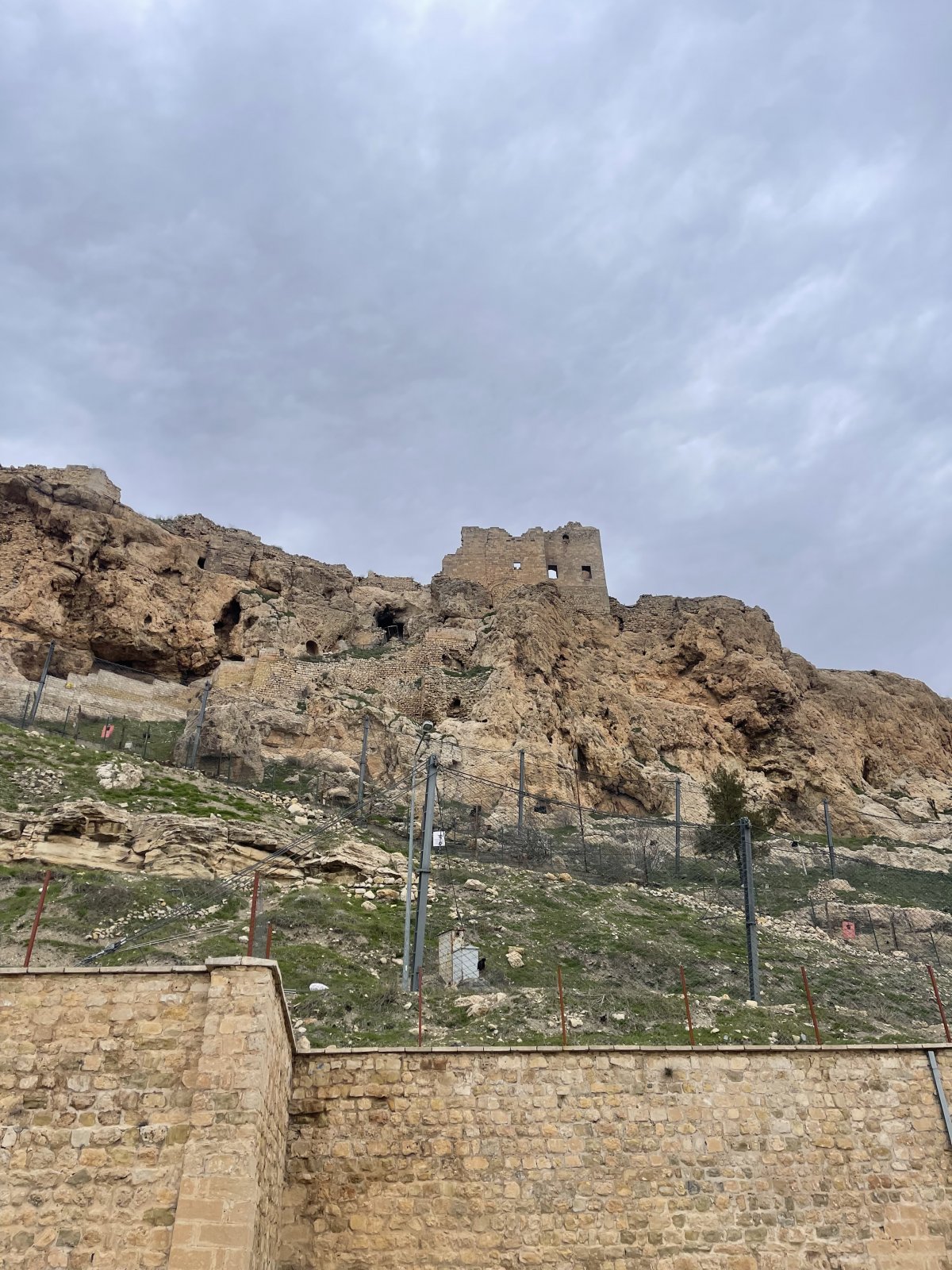
Visiting landmarks like Zinciriye Medrese, Ulu Mosque, and the Great Mardin Castle.
Tasting local cuisine — kaburga dolması (stuffed ribs) and Syriac wine are regional specialties.
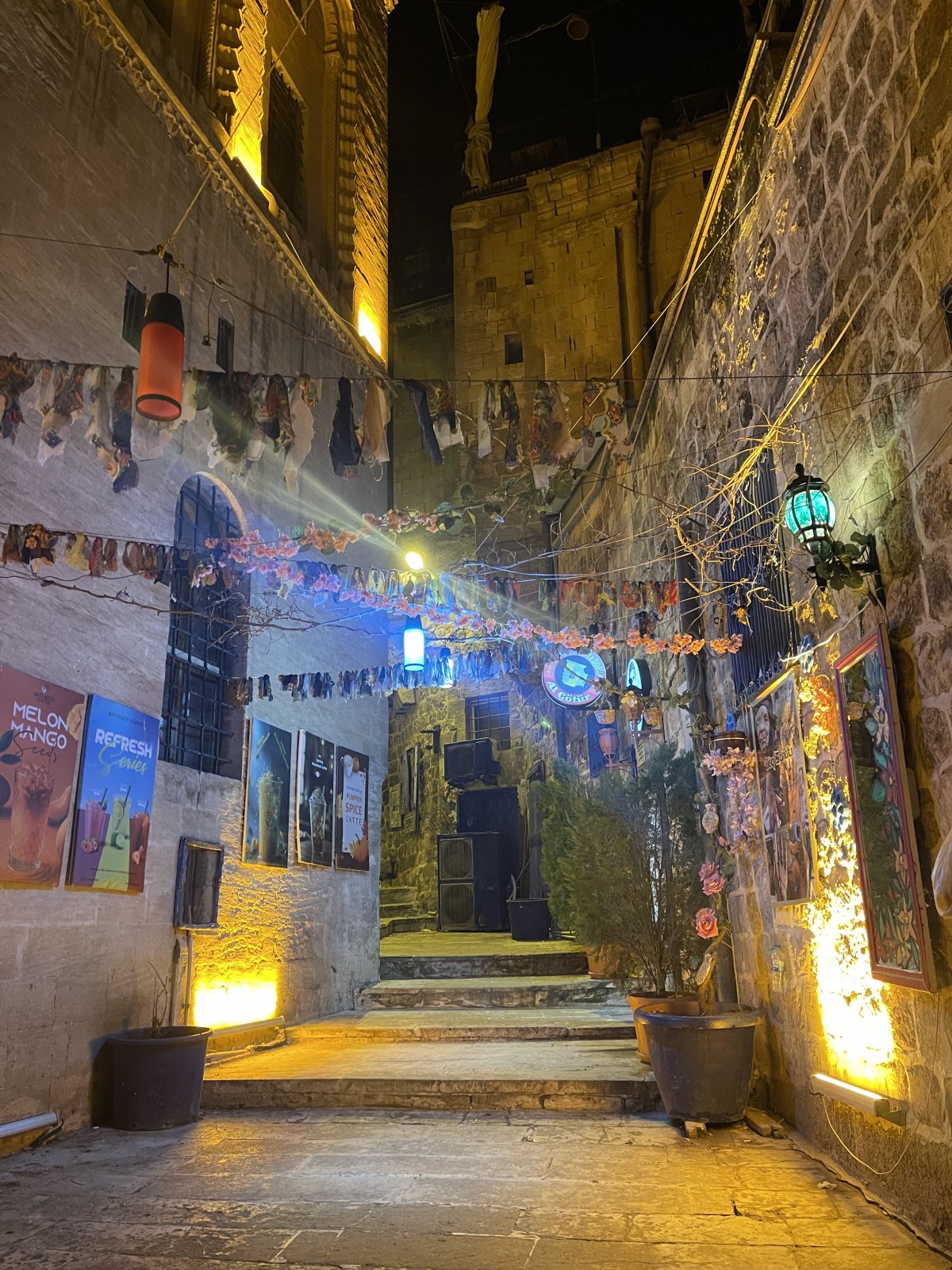
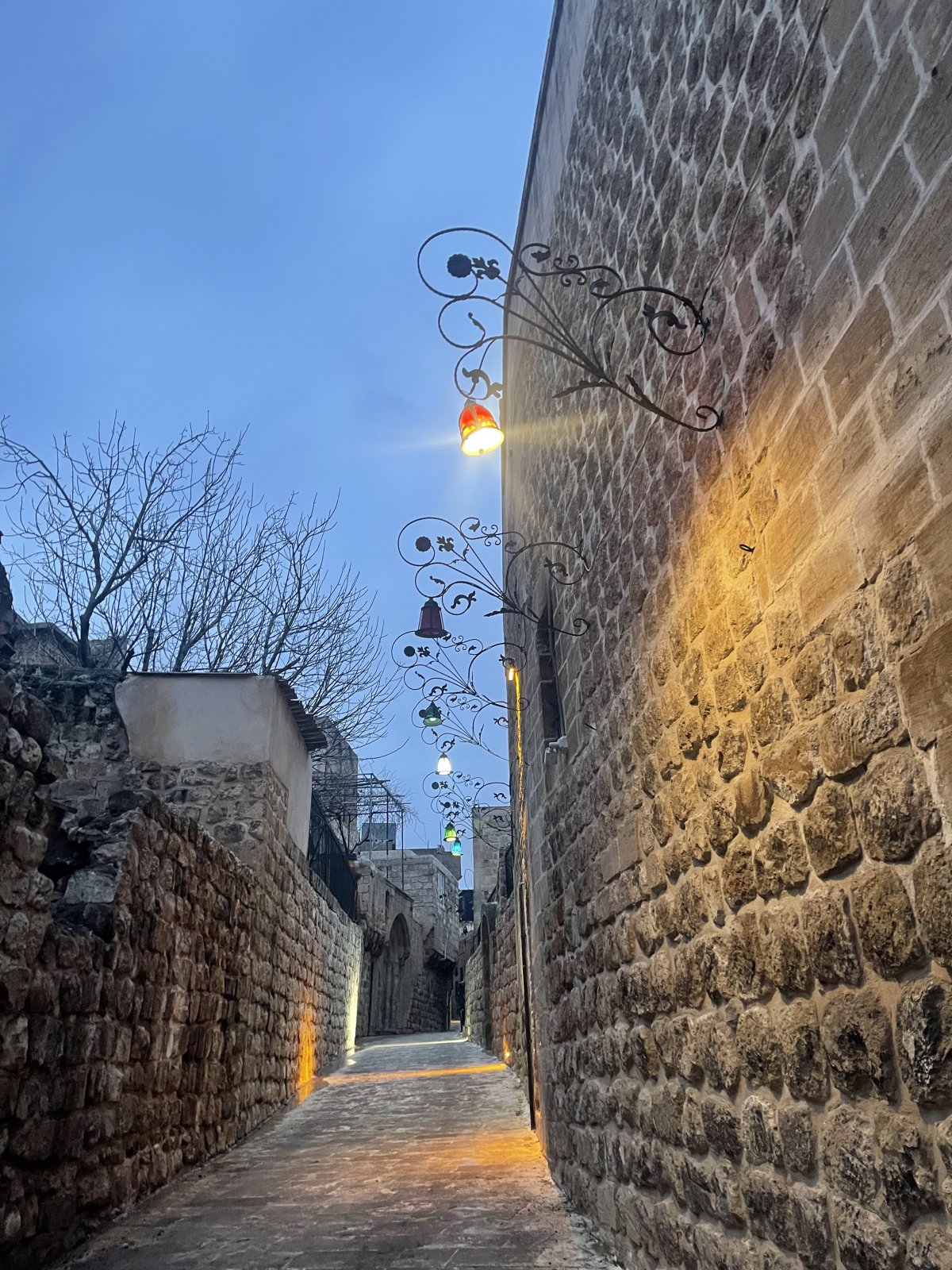
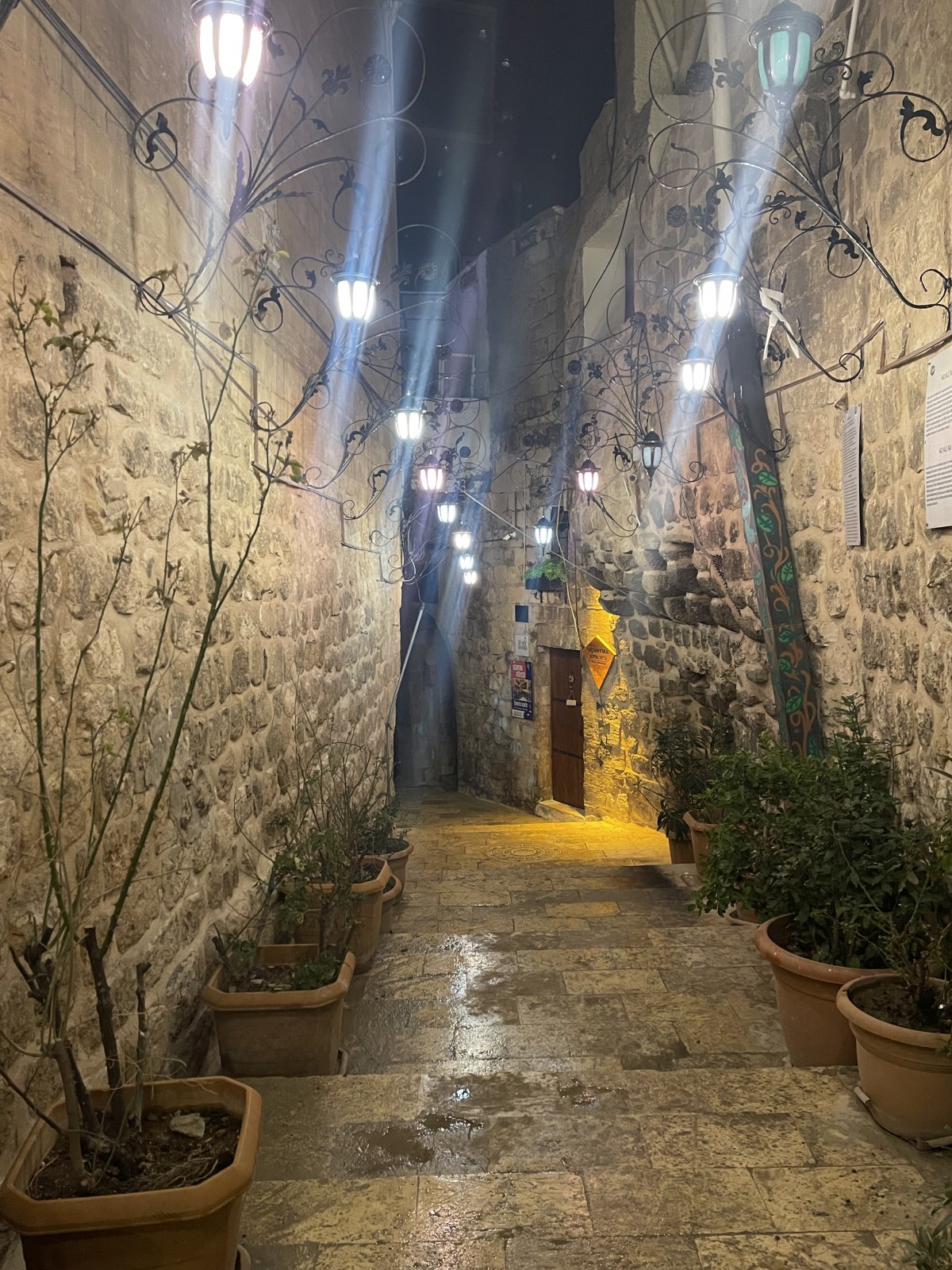
At night, the illuminated stone facades create a magical atmosphere, making the town feel alive with history.
Why Visit?
Because Mardin Old Town is not just a destination, it’s a journey through time, where every stone tells a story of faith, trade, and coexistence.
FAQ
1. Where is Mardin Old Town located?
Mardin Old Town is in Southeastern Türkiye, perched on a hillside overlooking the Mesopotamian plains. It is part of Mardin province and easily accessible from the city center.
2. Why is Mardin Old Town famous?
It is renowned for its golden-stone architecture, narrow alleys, and cultural diversity, where mosques, churches, and madrasas stand side by side, reflecting centuries of coexistence.
3. Is Mardin Old Town a UNESCO site?
Mardin Old Town is currently on the UNESCO World Heritage Tentative List, recognized for its unique architectural and cultural heritage.
4. What are the top attractions in Mardin Old Town?
Highlights include Zinciriye Medrese, Ulu Mosque, Mardin Castle, bazaars filled with copperware and textiles, and panoramic rooftop views of the Mesopotamian plains.
5. How do I get to Mardin Old Town?
Visitors can reach Mardin Old Town by road from Mardin Airport (about 20 km away). Local buses, taxis, and private transfers connect the airport and surrounding towns to the Old Town.
6. What is the best time to visit Mardin Old Town?
Spring (April–June) and autumn (September–October) are ideal, with mild weather perfect for walking through the alleys and enjoying rooftop views.
7. What local foods should I try in Mardin Old Town?
Don’t miss kaburga dolması (stuffed ribs), içli köfte (stuffed bulgur balls), and Syriac wine, all part of the region’s culinary heritage.
8. Can I stay inside Mardin Old Town?
Yes, many boutique hotels and guesthouses are located within restored stone houses, offering authentic stays in the heart of the Old Town.
A Crossroads of Civilizations
For centuries, Mardin has been a cultural crossroads, where Assyrians, Arabs, Kurds, Armenians, and Turks lived side by side. The Old Town preserves this diversity in its architecture:
- Mosques with elegant minarets
- Churches of Syriac Christianity, including Deyrulzafaran Monastery nearby
- Madrasas and caravanserais that once welcomed scholars and traders
This blend of faiths and traditions makes Mardin Old Town a symbol of coexistence.
Architectural Heritage
The hallmark of Mardin’s Old Town is its terraced stone houses, built to adapt to the steep hillside. Each home features:
Courtyards and arched windows designed for shade and ventilation
Intricate carvings reflecting Islamic and Syriac artistry
Flat rooftops that double as social spaces, offering panoramic views of the Mesopotamian plains
The golden hue of the limestone gives the city its timeless charm
Location: Southeastern Türkiye, overlooking the Mesopotamian plains
UNESCO Candidate: Mardin Old Town is on the tentative list for UNESCO World Heritage status, recognized for its cultural and architectural value.
Visitor Experience
Exploring Mardin Old Town means:
Strolling through bazaars filled with copperware, textiles, and local delicacies.
Visiting landmarks like Zinciriye Medrese, Ulu Mosque, and the Great Mardin Castle.
Tasting local cuisine — kaburga dolması (stuffed ribs) and Syriac wine are regional specialties.
At night, the illuminated stone facades create a magical atmosphere, making the town feel alive with history.
Why Visit?
Because Mardin Old Town is not just a destination, it’s a journey through time, where every stone tells a story of faith, trade, and coexistence.
FAQ
1. Where is Mardin Old Town located?
Mardin Old Town is in Southeastern Türkiye, perched on a hillside overlooking the Mesopotamian plains. It is part of Mardin province and easily accessible from the city center.
2. Why is Mardin Old Town famous?
It is renowned for its golden-stone architecture, narrow alleys, and cultural diversity, where mosques, churches, and madrasas stand side by side, reflecting centuries of coexistence.
3. Is Mardin Old Town a UNESCO site?
Mardin Old Town is currently on the UNESCO World Heritage Tentative List, recognized for its unique architectural and cultural heritage.
4. What are the top attractions in Mardin Old Town?
Highlights include Zinciriye Medrese, Ulu Mosque, Mardin Castle, bazaars filled with copperware and textiles, and panoramic rooftop views of the Mesopotamian plains.
5. How do I get to Mardin Old Town?
Visitors can reach Mardin Old Town by road from Mardin Airport (about 20 km away). Local buses, taxis, and private transfers connect the airport and surrounding towns to the Old Town.
6. What is the best time to visit Mardin Old Town?
Spring (April–June) and autumn (September–October) are ideal, with mild weather perfect for walking through the alleys and enjoying rooftop views.
7. What local foods should I try in Mardin Old Town?
Don’t miss kaburga dolması (stuffed ribs), içli köfte (stuffed bulgur balls), and Syriac wine, all part of the region’s culinary heritage.
8. Can I stay inside Mardin Old Town?
Yes, many boutique hotels and guesthouses are located within restored stone houses, offering authentic stays in the heart of the Old Town.