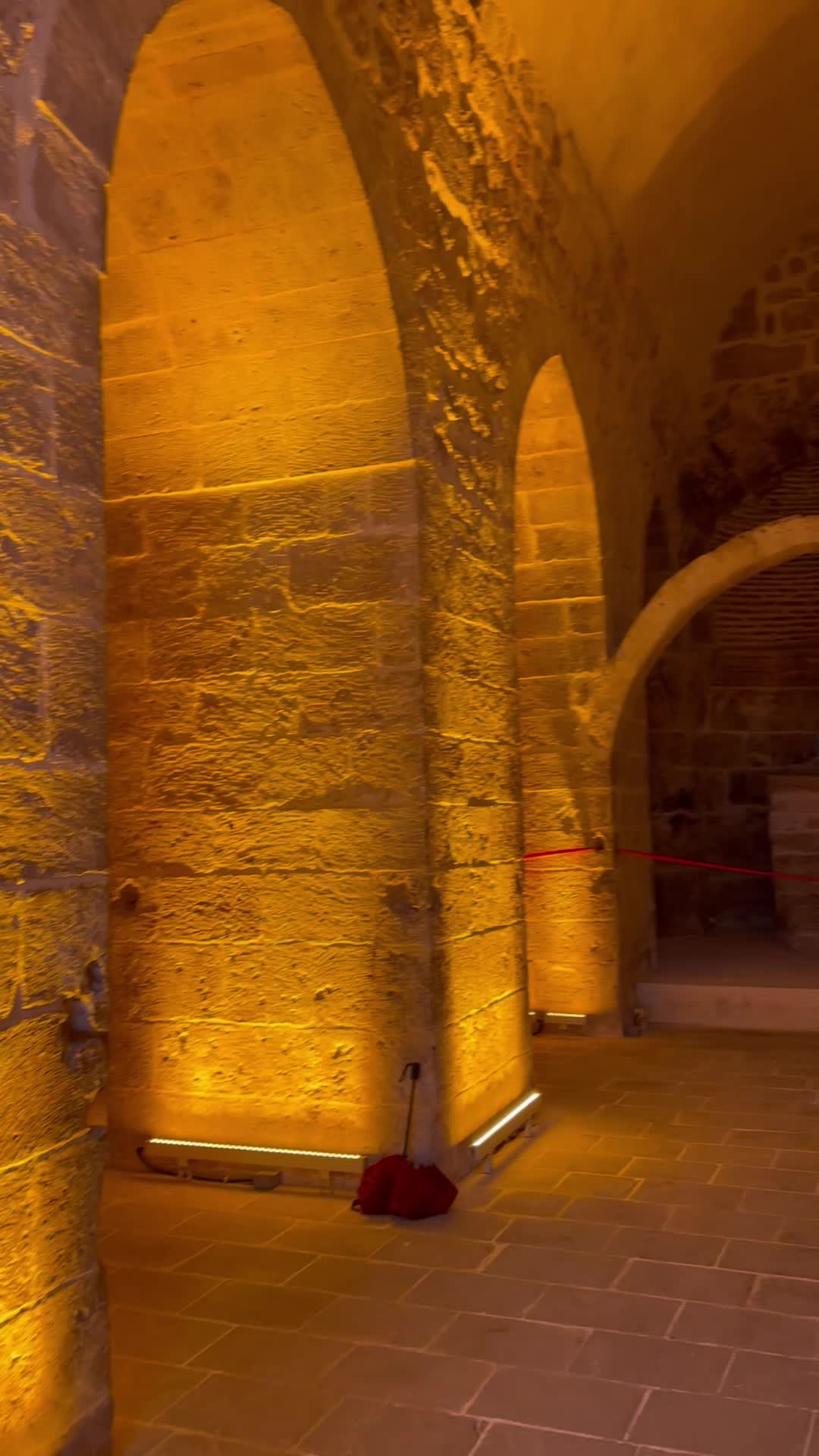
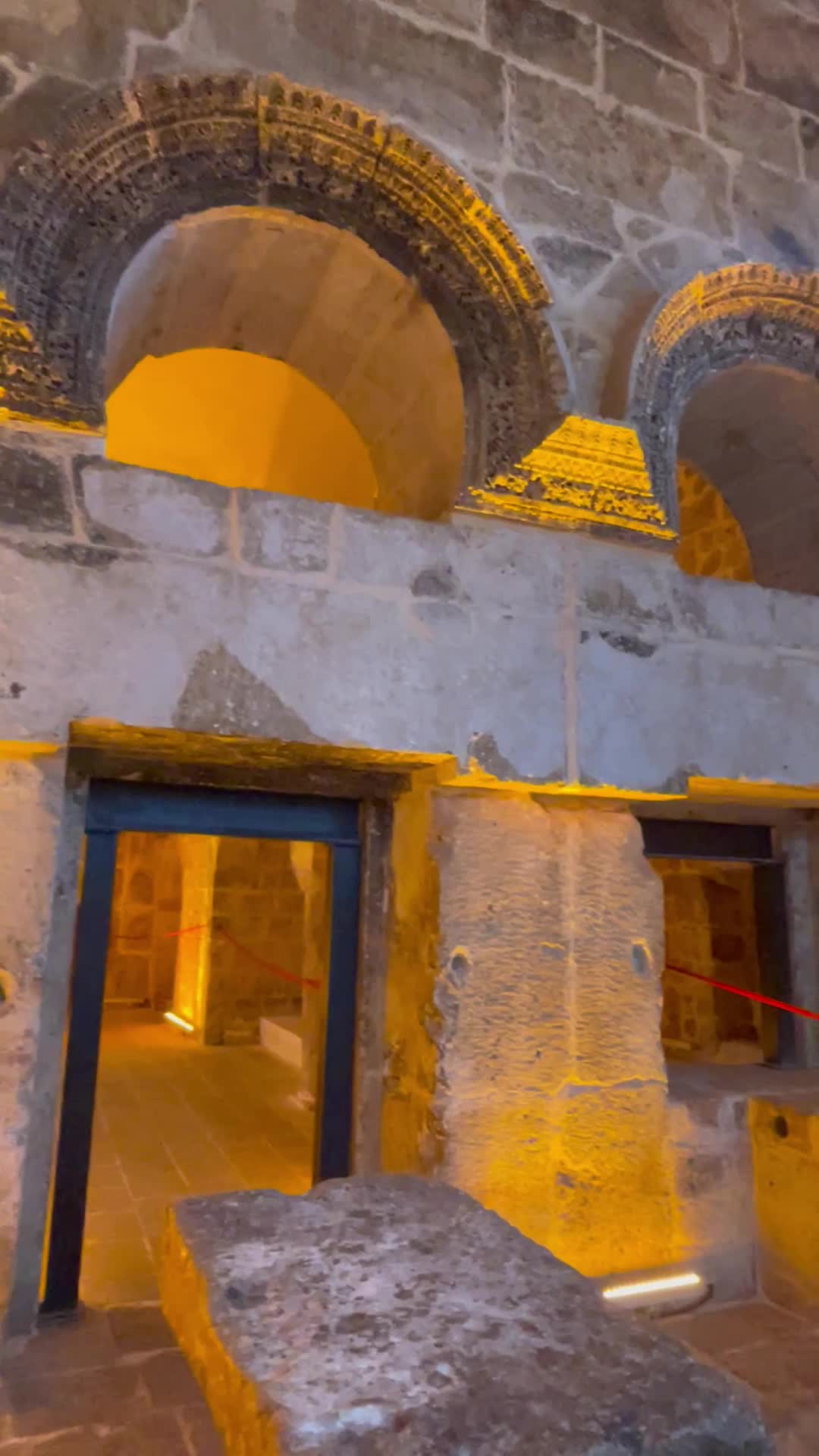
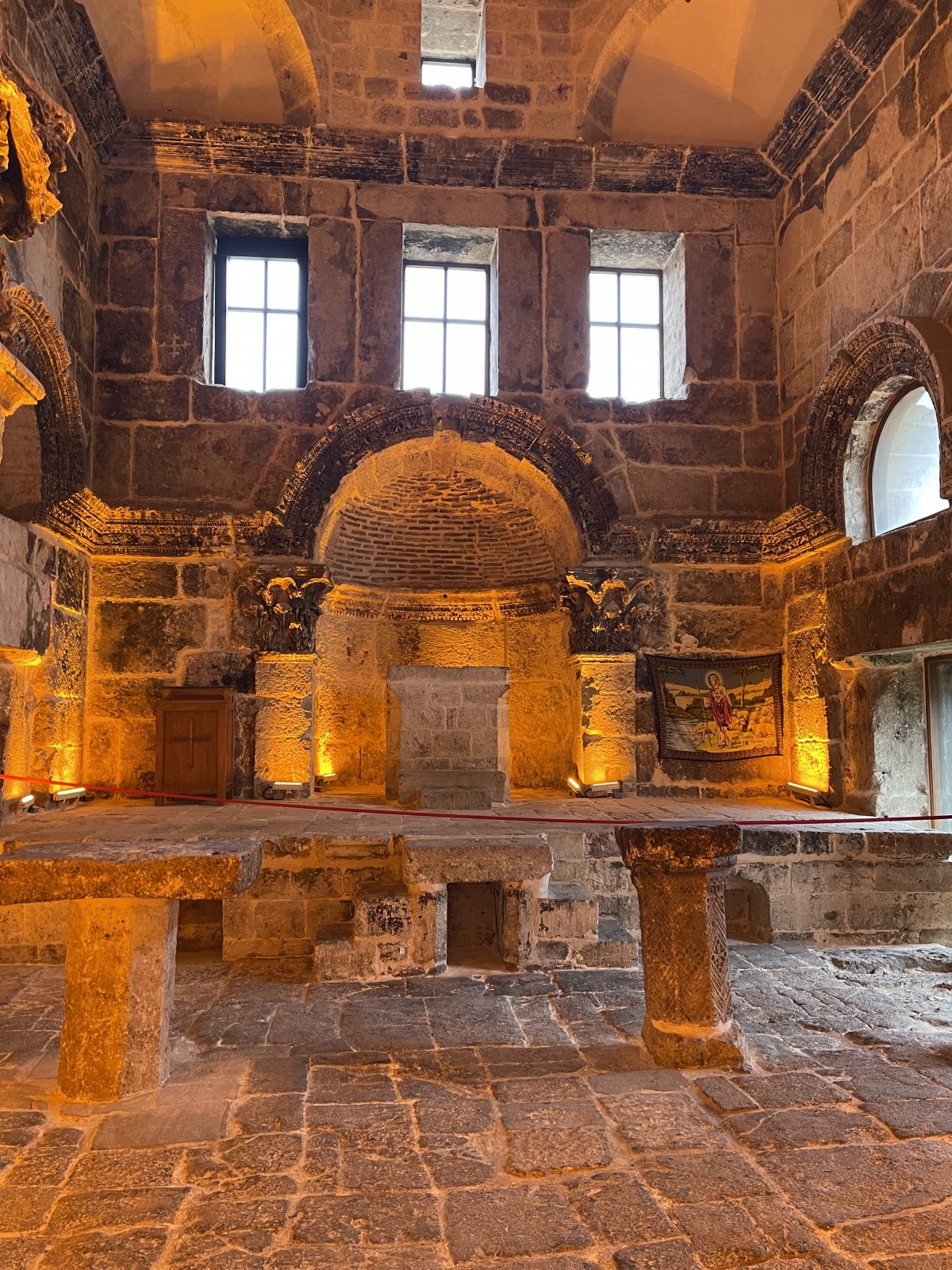
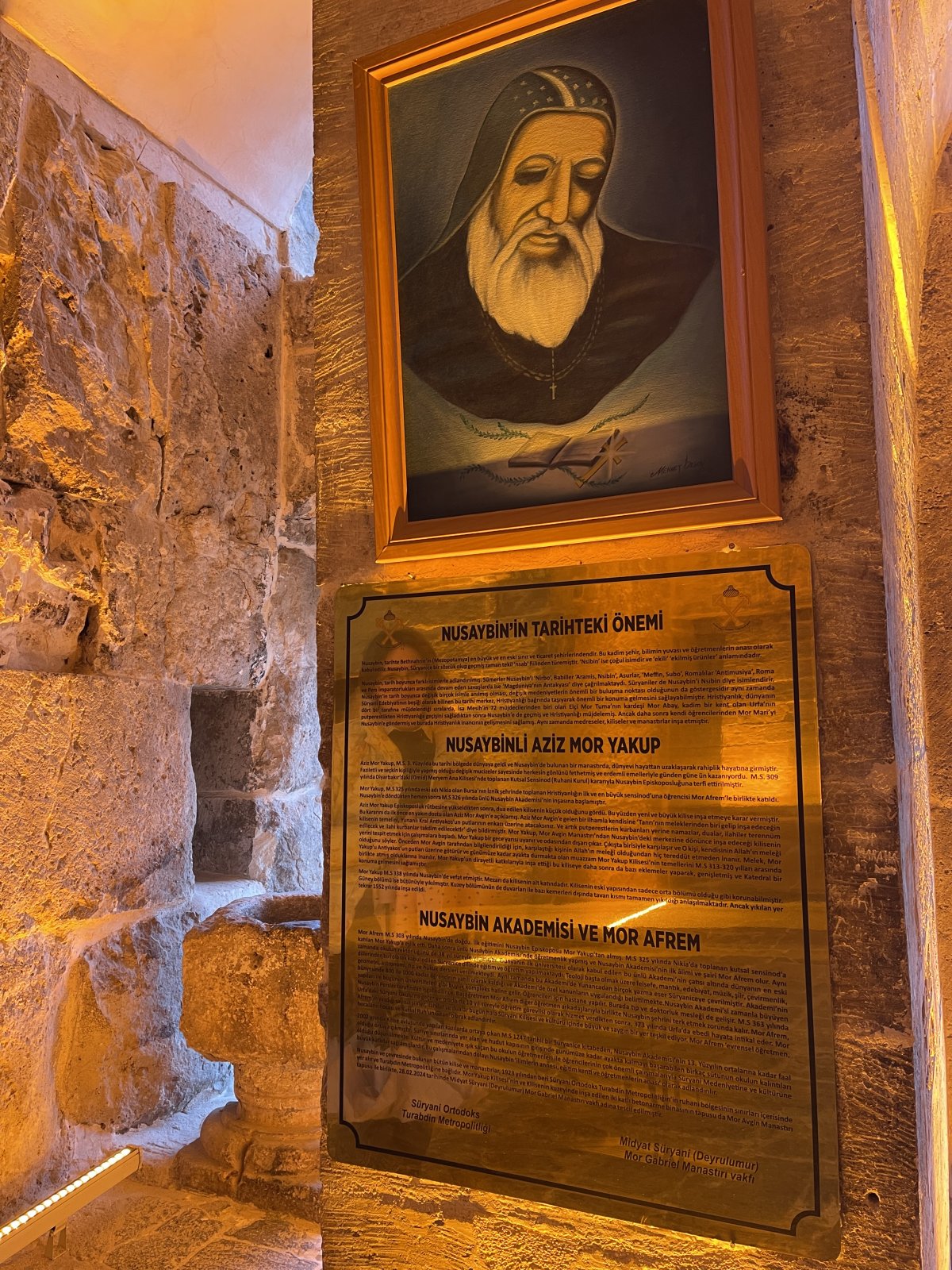
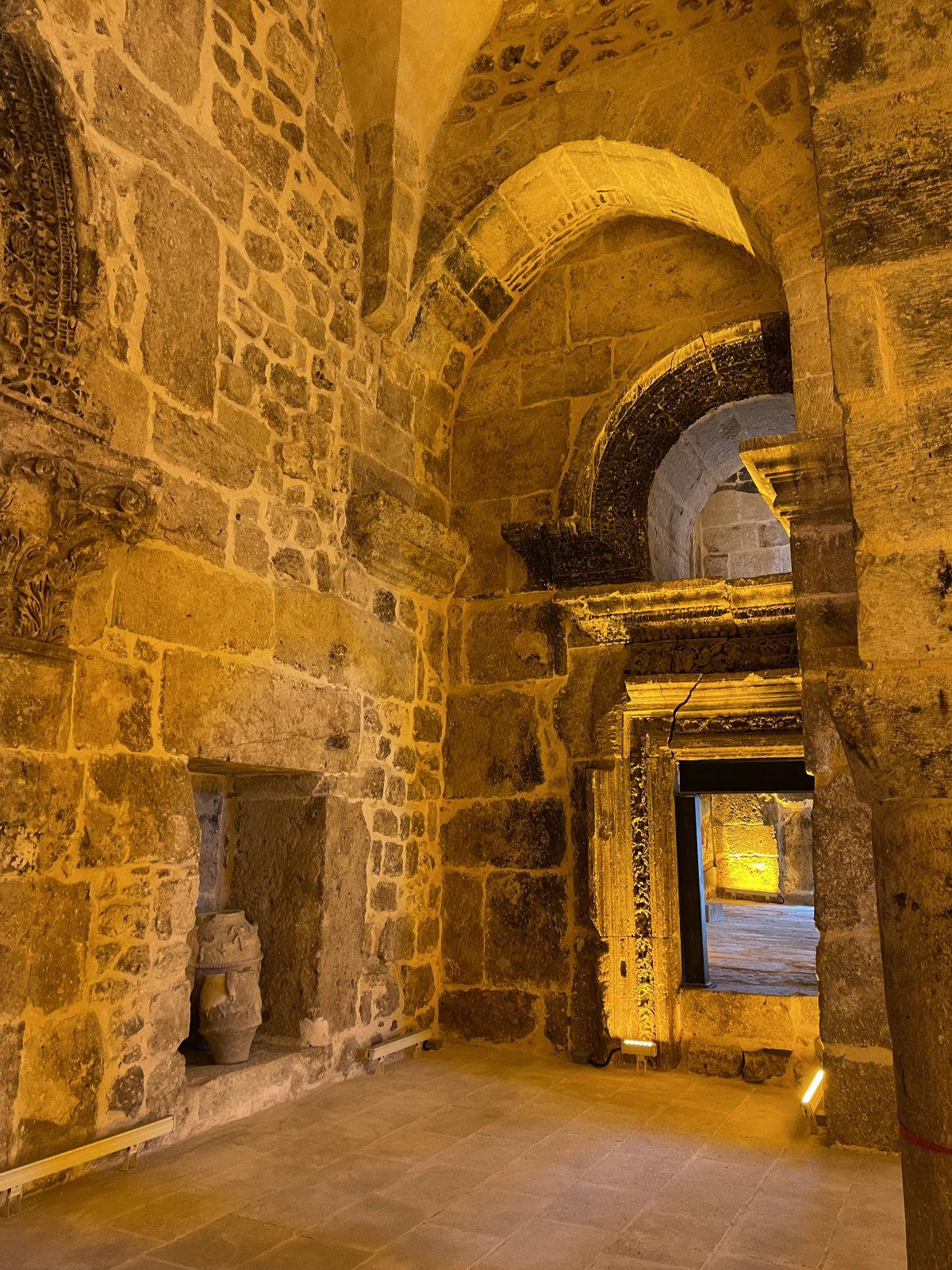
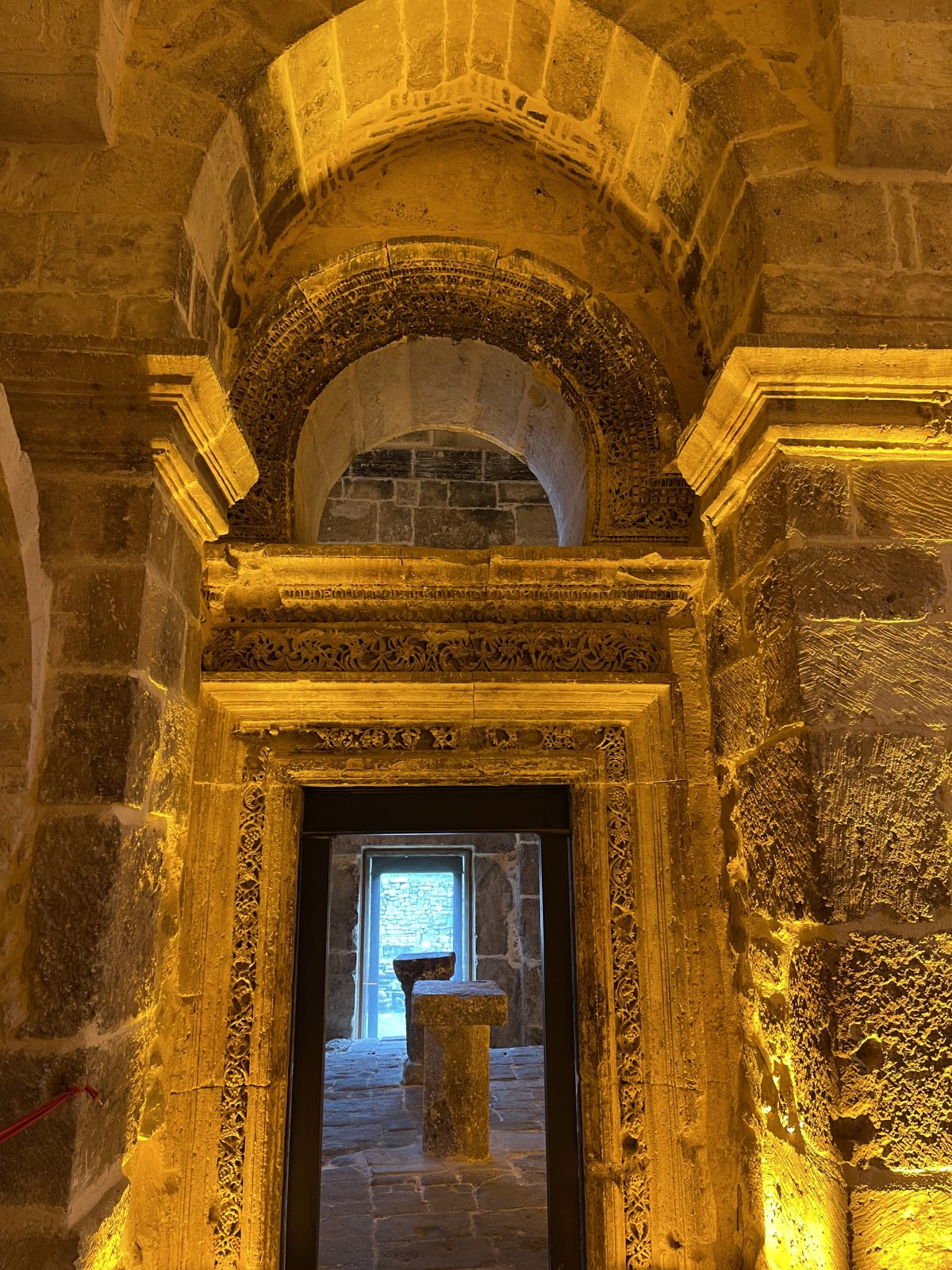
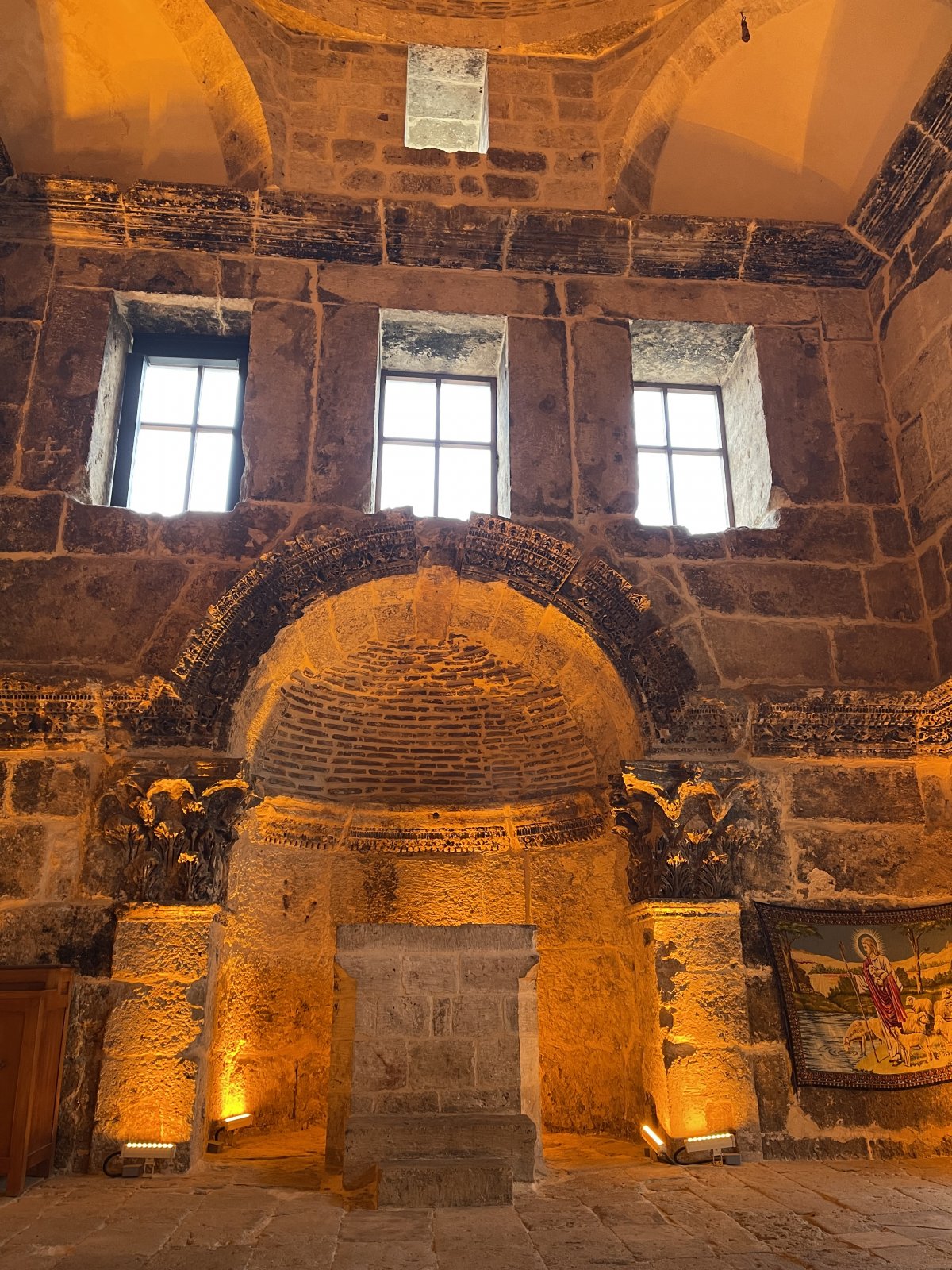
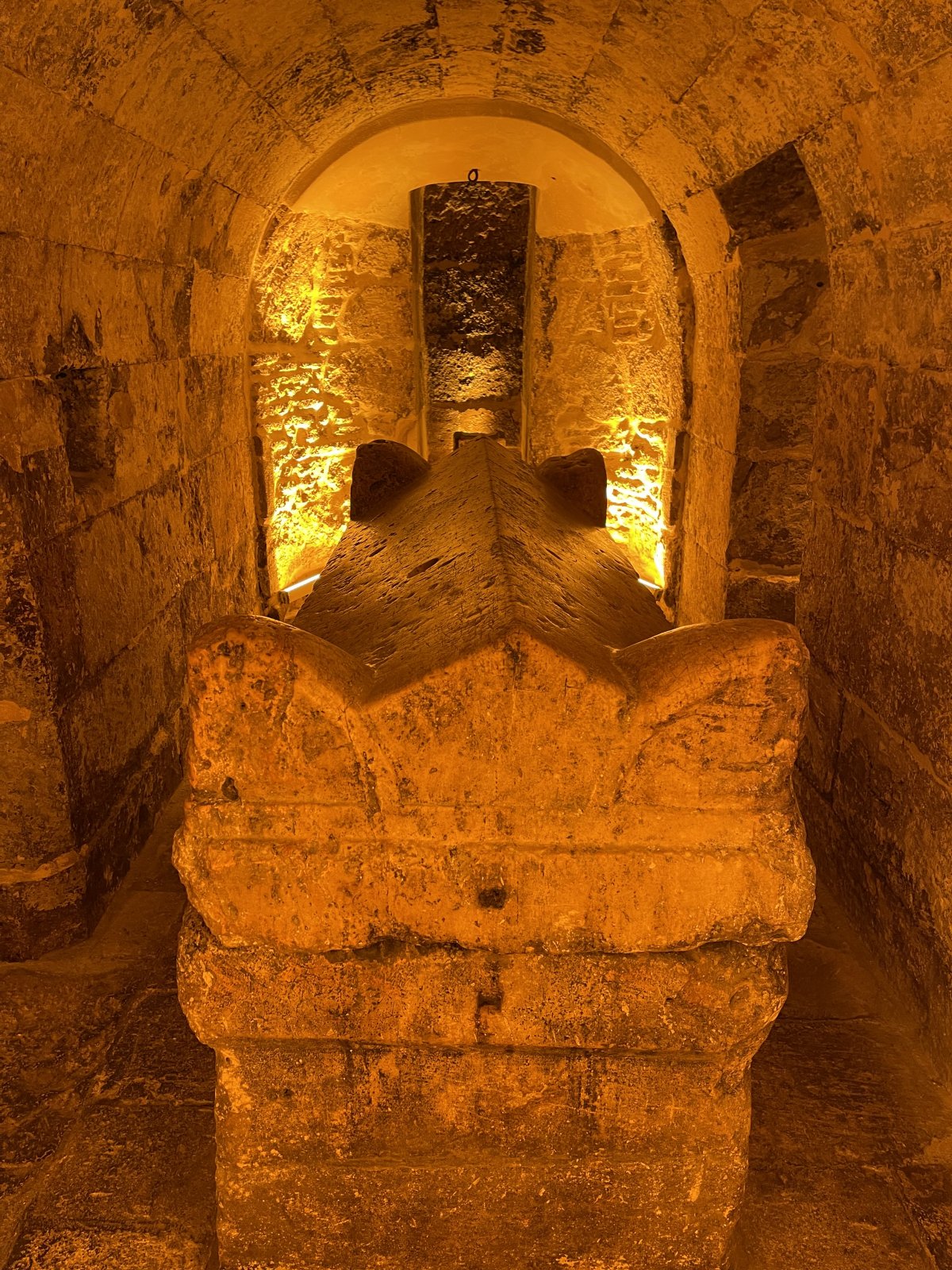
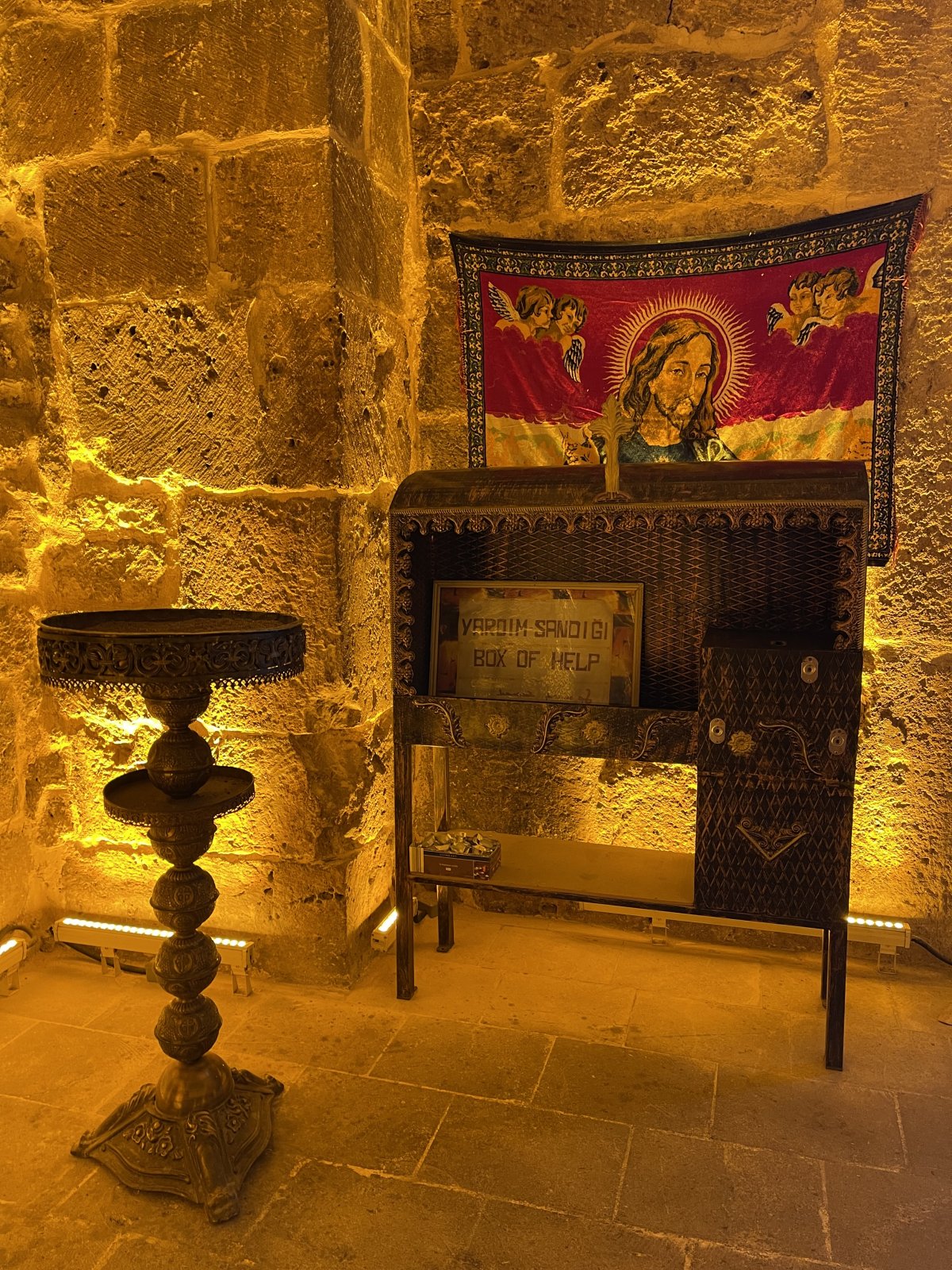
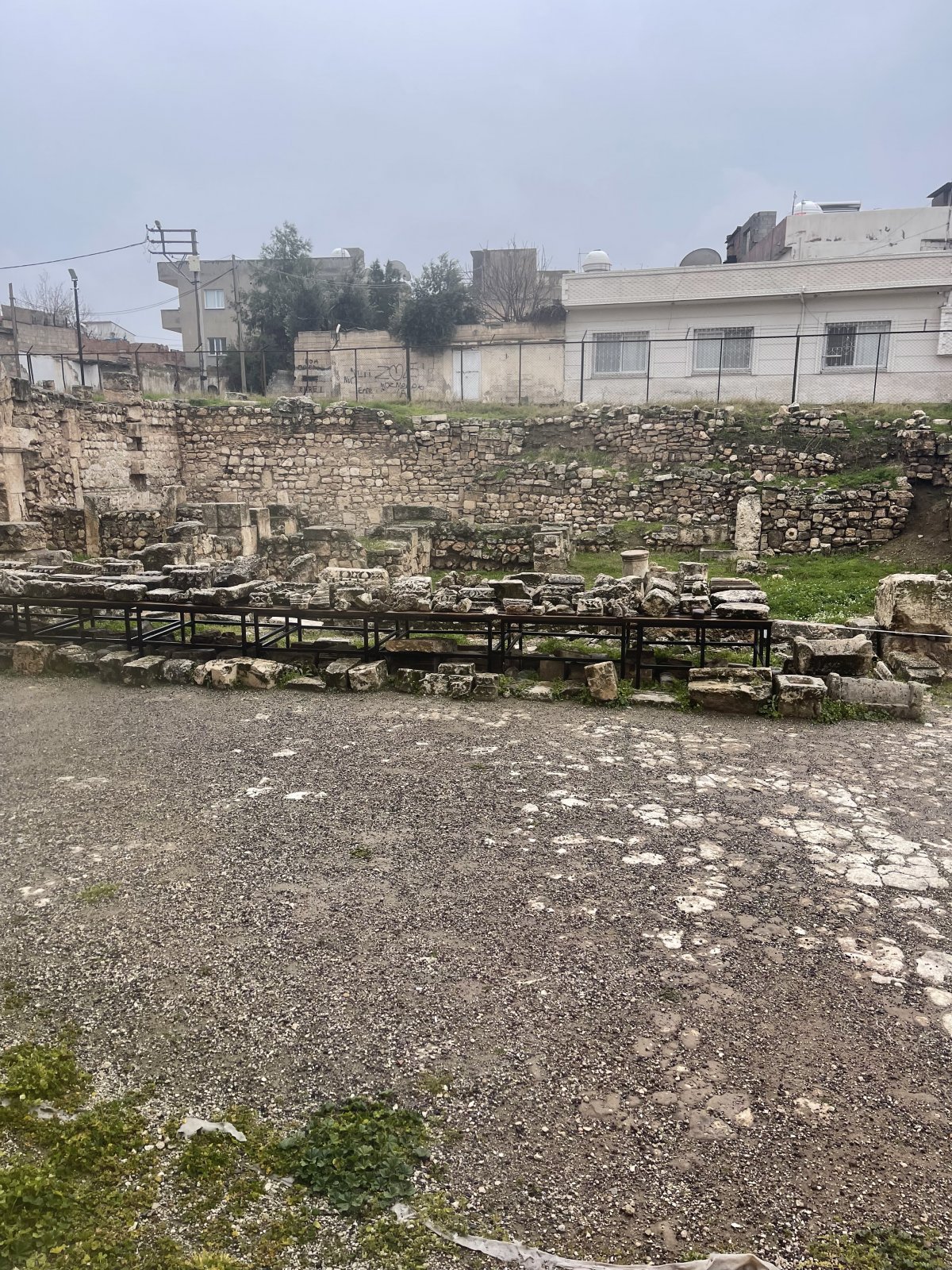
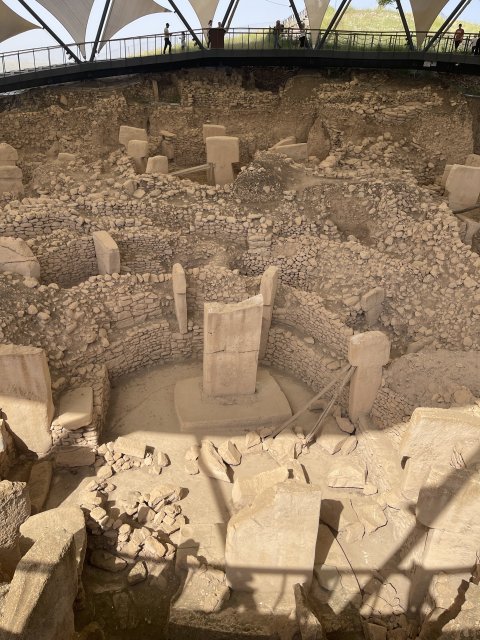
St. Jacob’s Church (Mor Yaʿqub) is one of the most significant early Christian heritage sites in Nusaybin (ancient Nisibis), located in Türkiye’s Mardin province, along the Syrian border. The site is associated with St. Jacob of Nisibis, a leading 4th-century bishop known for his role in shaping early Syriac Christianity. The church stands within a historical zone that once formed part of the influential School of Nisibis, a major centre of theological scholarship in the region.
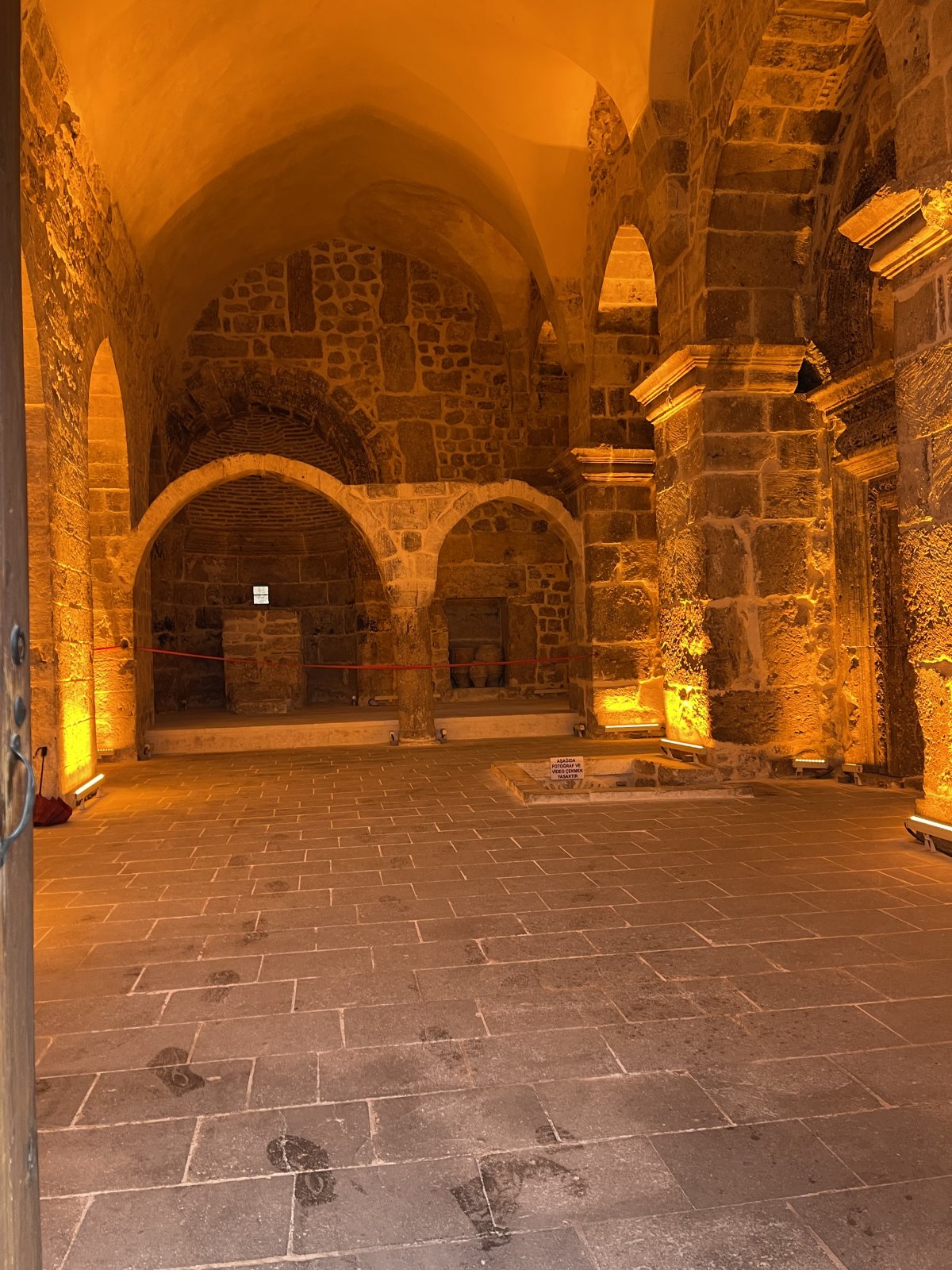
Today the church and its grounds are recognised for their Syriac (Assyrian) cultural value, their architectural features in local limestone, and their role in documenting the Christian heritage of Upper Mesopotamia. Much of the complex visible now reflects later additions and restorations, but it remains one of the most important reference points for the longstanding presence of Syriac communities in the area.
St. Jacob’s Church is a key stop for travellers exploring the Nusaybin–Mardin–Midyat–Tur Abdin cultural route, which includes monasteries, churches, and villages tied to centuries of Christian life in Southeastern Türkiye. Its location at a long-standing crossroads between Anatolia and Mesopotamia gives it high geographic relevance for cultural, historical, and religious tourism.
The site is compact and straightforward to visit, offering access to key architectural elements, inscriptions, and the surrounding historical landscape. For visitors interested in Syriac Christianity, regional history, or early religious scholarship, St. Jacob’s Church serves as a concise and authoritative point of reference.
FAQ
What is St. Jacob’s Church in Nisibis?
St. Jacob’s Church, also known as Mor Yaqub, is an early Christian heritage site in Nusaybin (ancient Nisibis) in Türkiye’s Mardin province. It is linked to St. Jacob of Nisibis, a 4th-century bishop important in Syriac Christian history.
Where is St. Jacob’s Church located?
The church is located in Nusaybin, near the Türkiye–Syria border, within the wider Mardin region of Southeastern Türkiye.
What can visitors see at St. Jacob’s Church?
Visitors can see the historic limestone structure, inscriptions, the church grounds, and architectural elements that reflect Syriac Christian building traditions in Upper Mesopotamia.
What is the best time to visit St. Jacob’s Church?
Spring and autumn are the most suitable due to comfortable temperatures for exploring outdoor heritage sites in Southeastern Türkiye.
Today the church and its grounds are recognised for their Syriac (Assyrian) cultural value, their architectural features in local limestone, and their role in documenting the Christian heritage of Upper Mesopotamia. Much of the complex visible now reflects later additions and restorations, but it remains one of the most important reference points for the longstanding presence of Syriac communities in the area.
St. Jacob’s Church is a key stop for travellers exploring the Nusaybin–Mardin–Midyat–Tur Abdin cultural route, which includes monasteries, churches, and villages tied to centuries of Christian life in Southeastern Türkiye. Its location at a long-standing crossroads between Anatolia and Mesopotamia gives it high geographic relevance for cultural, historical, and religious tourism.
The site is compact and straightforward to visit, offering access to key architectural elements, inscriptions, and the surrounding historical landscape. For visitors interested in Syriac Christianity, regional history, or early religious scholarship, St. Jacob’s Church serves as a concise and authoritative point of reference.
FAQ
What is St. Jacob’s Church in Nisibis?
St. Jacob’s Church, also known as Mor Yaqub, is an early Christian heritage site in Nusaybin (ancient Nisibis) in Türkiye’s Mardin province. It is linked to St. Jacob of Nisibis, a 4th-century bishop important in Syriac Christian history.
Where is St. Jacob’s Church located?
The church is located in Nusaybin, near the Türkiye–Syria border, within the wider Mardin region of Southeastern Türkiye.
What can visitors see at St. Jacob’s Church?
Visitors can see the historic limestone structure, inscriptions, the church grounds, and architectural elements that reflect Syriac Christian building traditions in Upper Mesopotamia.
What is the best time to visit St. Jacob’s Church?
Spring and autumn are the most suitable due to comfortable temperatures for exploring outdoor heritage sites in Southeastern Türkiye.