Karahantepe—also known as Tarahan Tepe—is one of the oldest Pre-Pottery Neolithic sites in the world and a key pillar of the Taş Tepeler Project in Şanlıurfa. Dating to around 10,000 BCE, it may predate Göbeklitepe and offers evidence of early ritual spaces, T-shaped pillars, and some of the earliest village-like settlements ever discovered. Located in the Tek Tek Mountains, it is a major link in understanding the origins of human civilization.
History & Discovery
Discovered in 1997 by Bahattin Çelik of Harran University.
Dates to the Pre-Pottery Neolithic A–B period (10,000–9500 BCE), making it one of the earliest known human settlements.
Considered a “sister site” to Göbeklitepe, but possibly even older.
Archaeological Significance
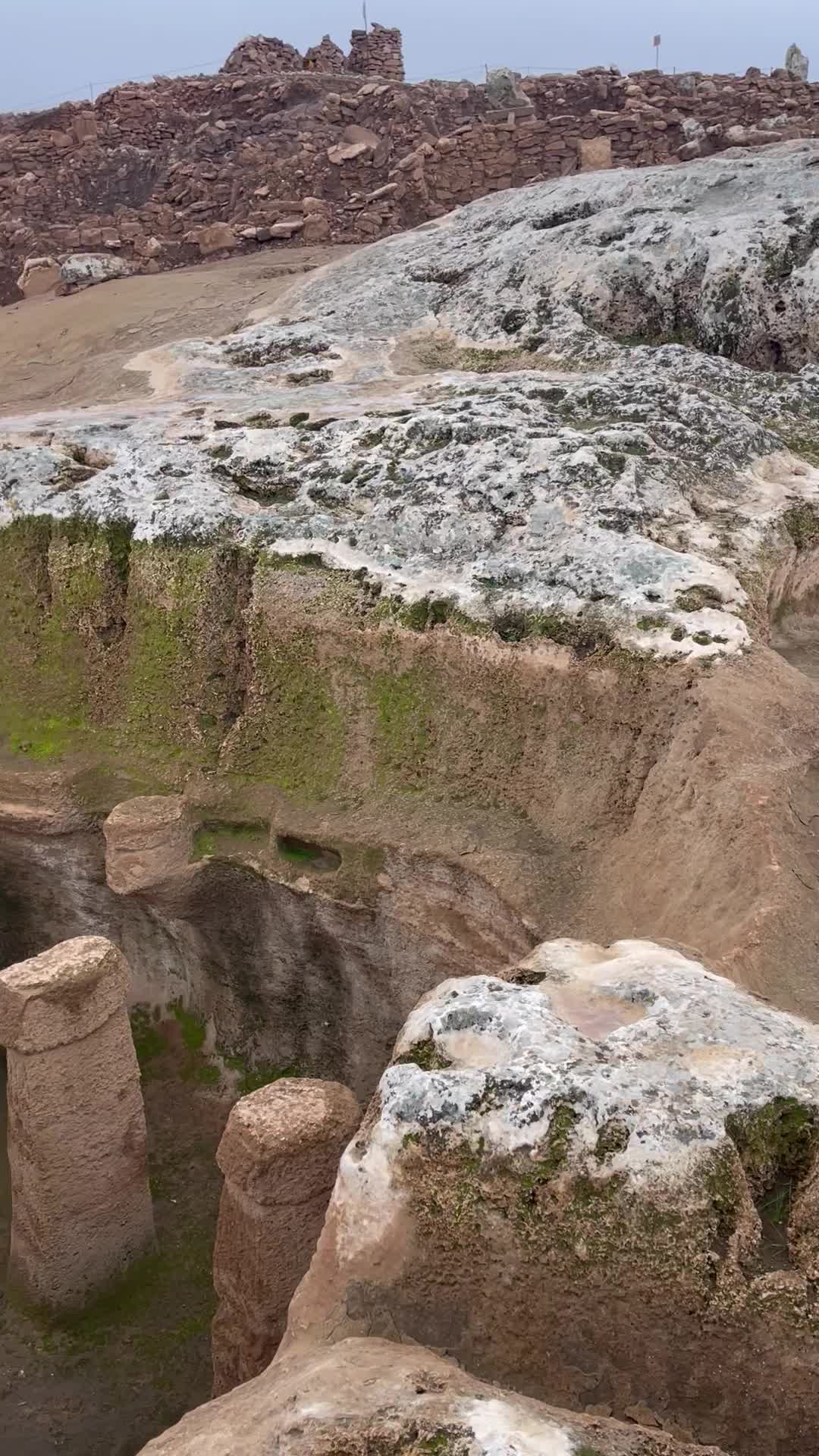
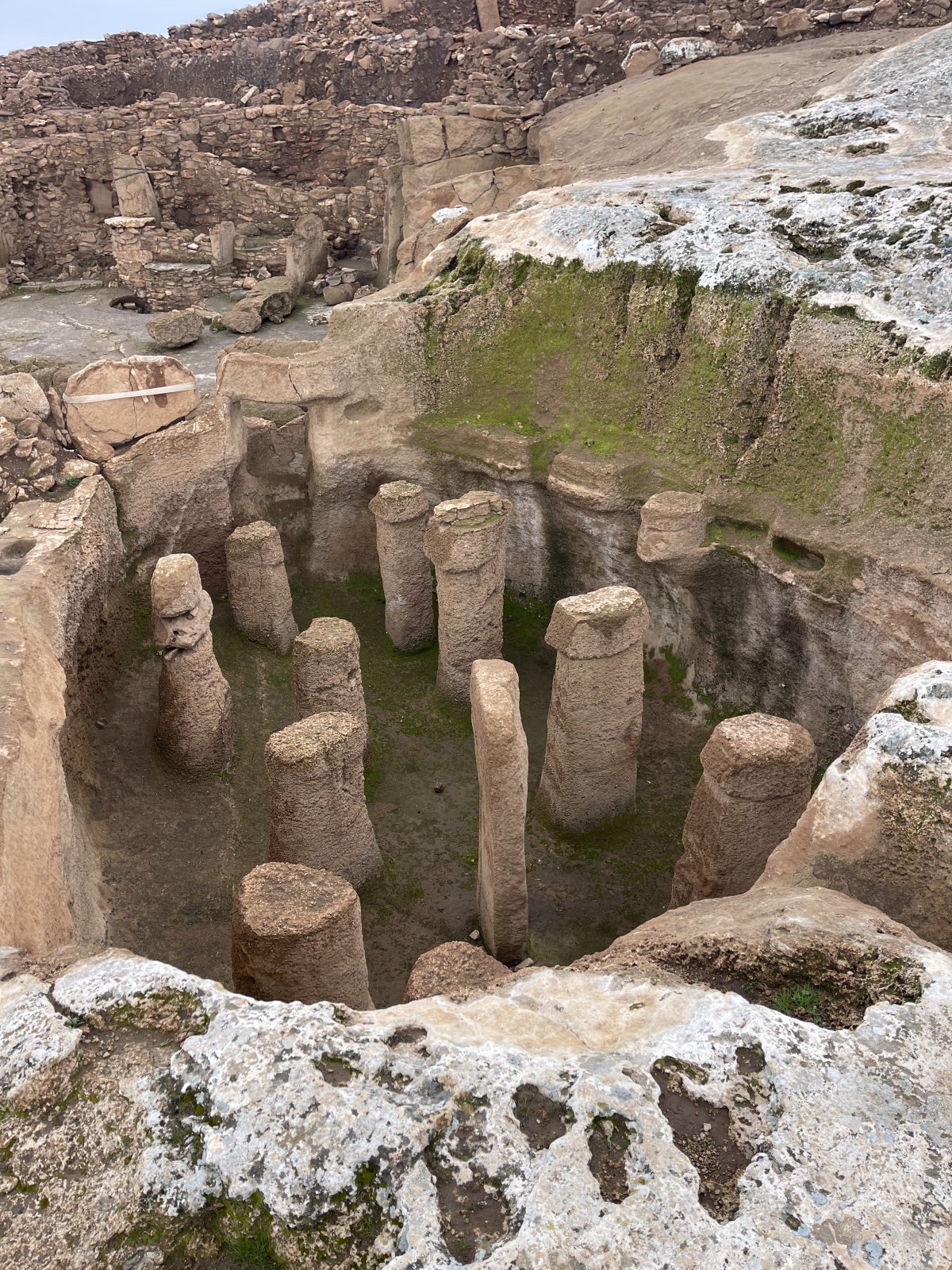
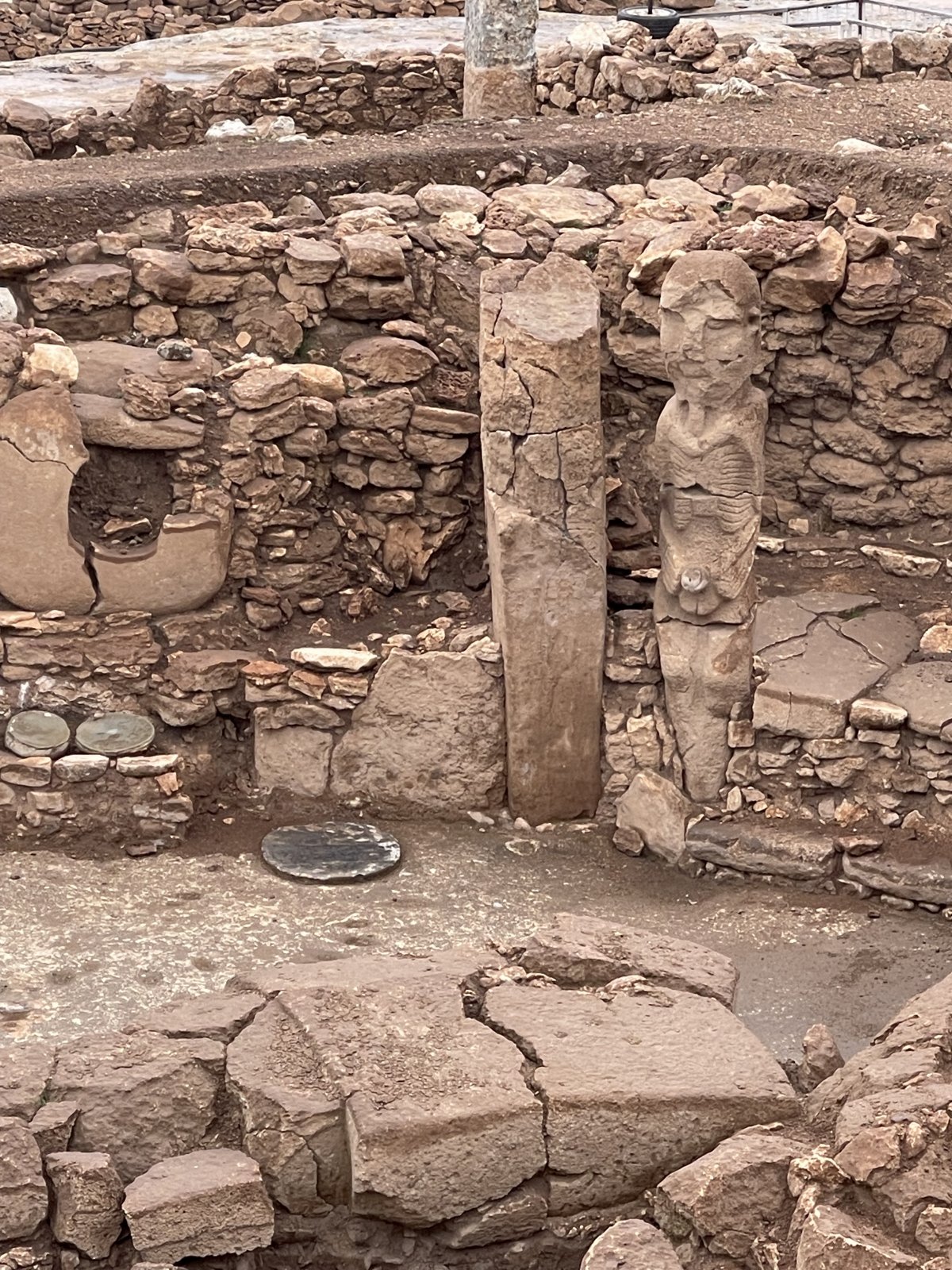
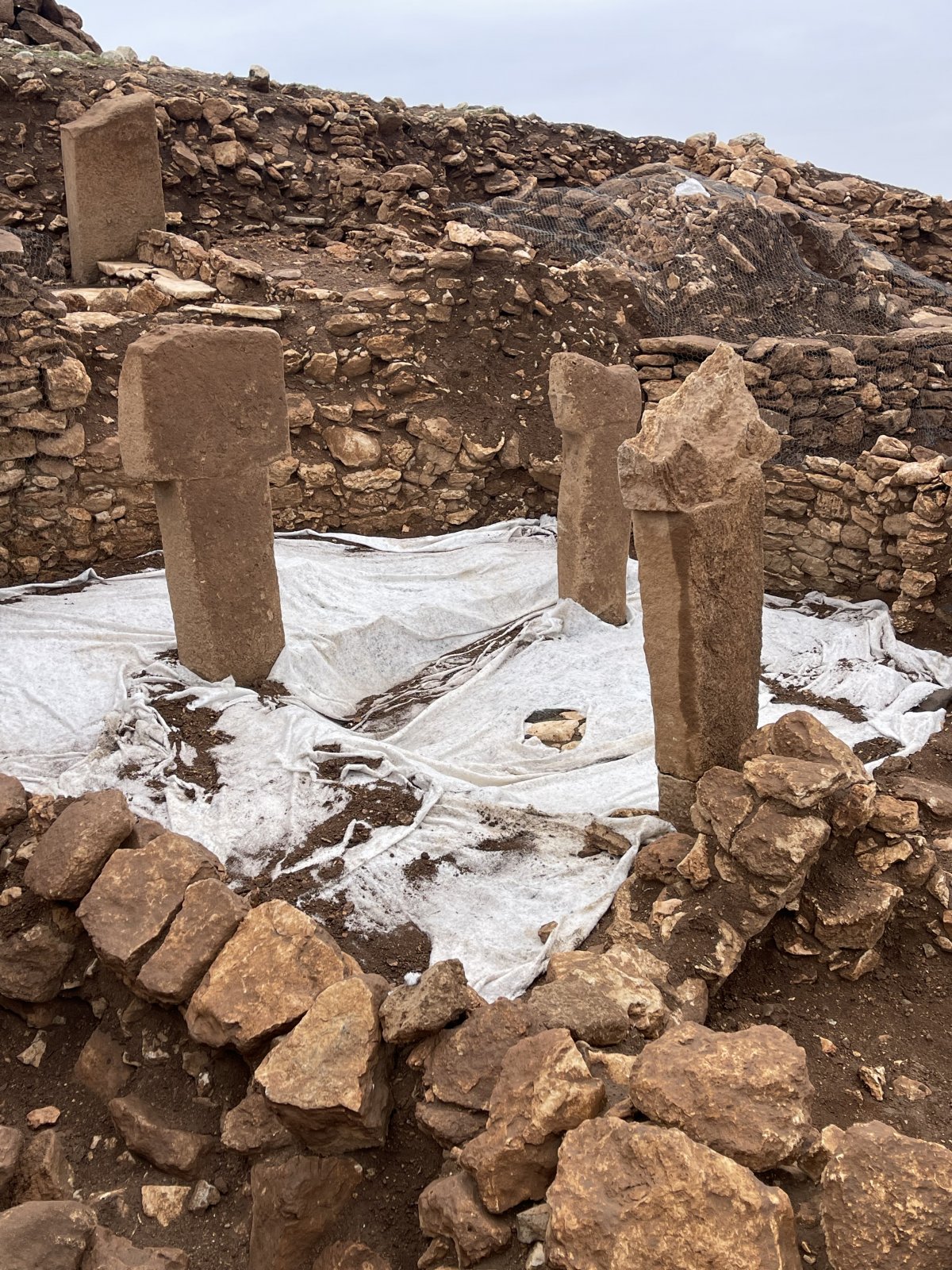
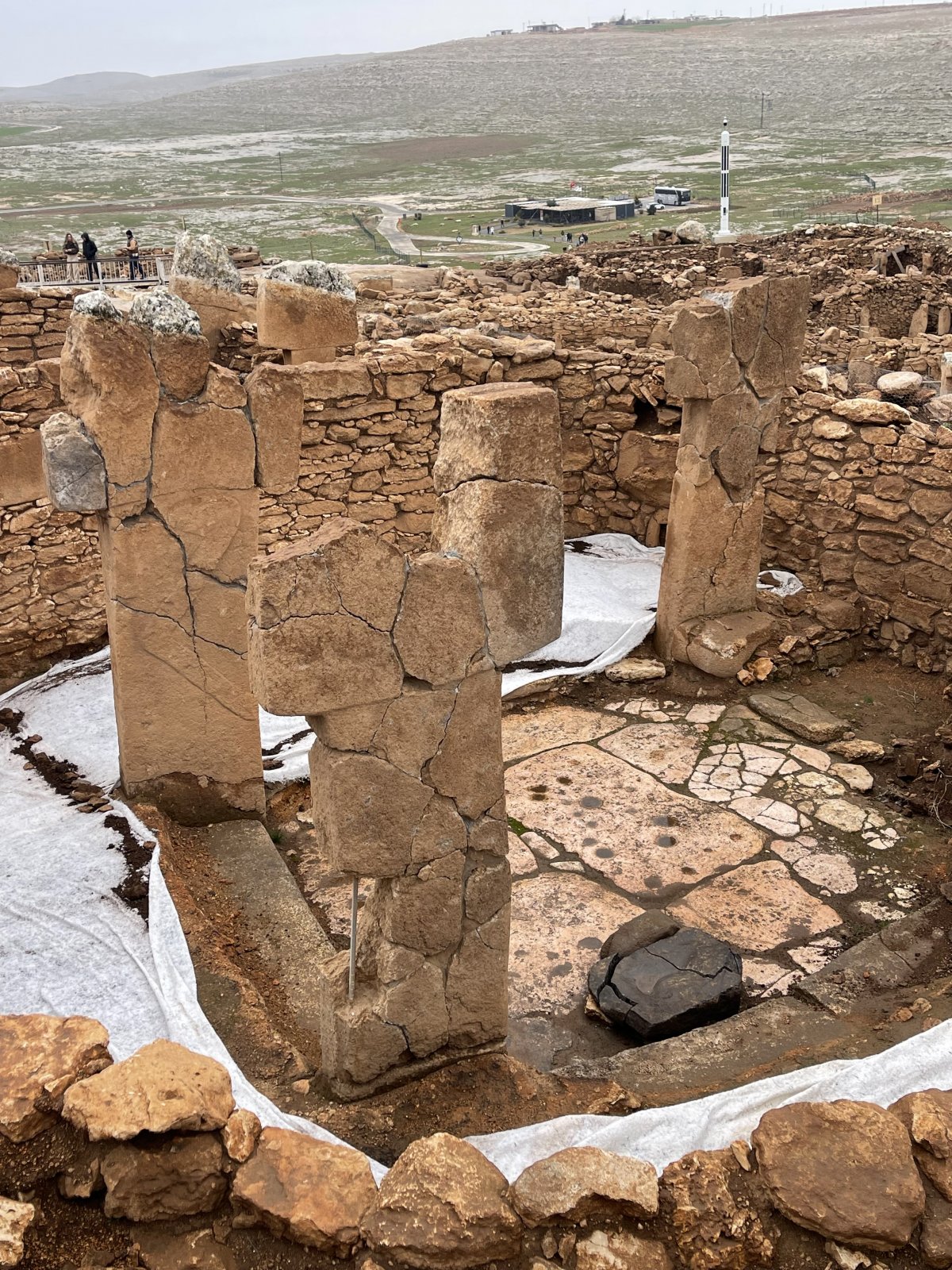
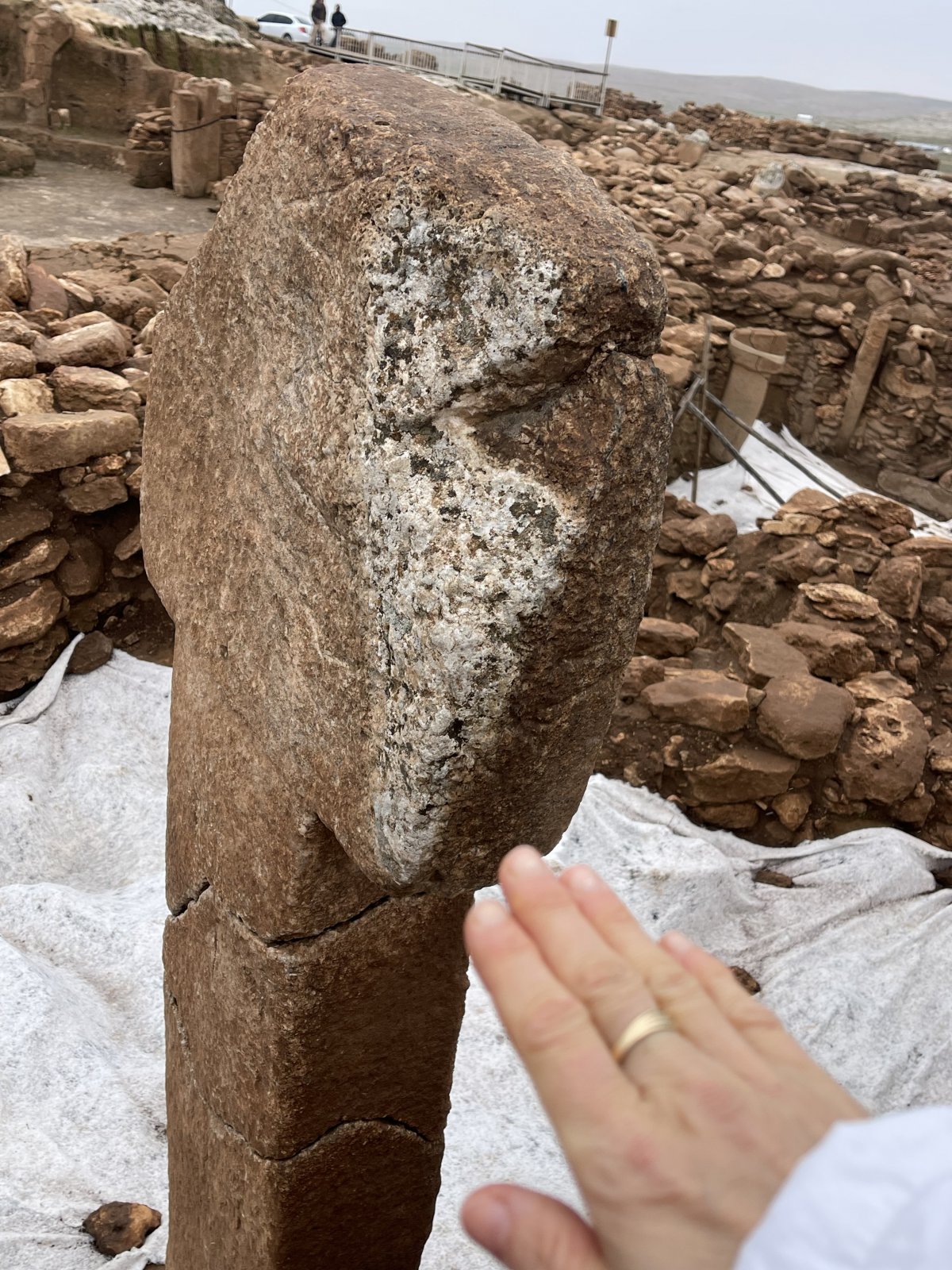
Features T-shaped stelae similar to Göbeklitepe, carved from local limestone.
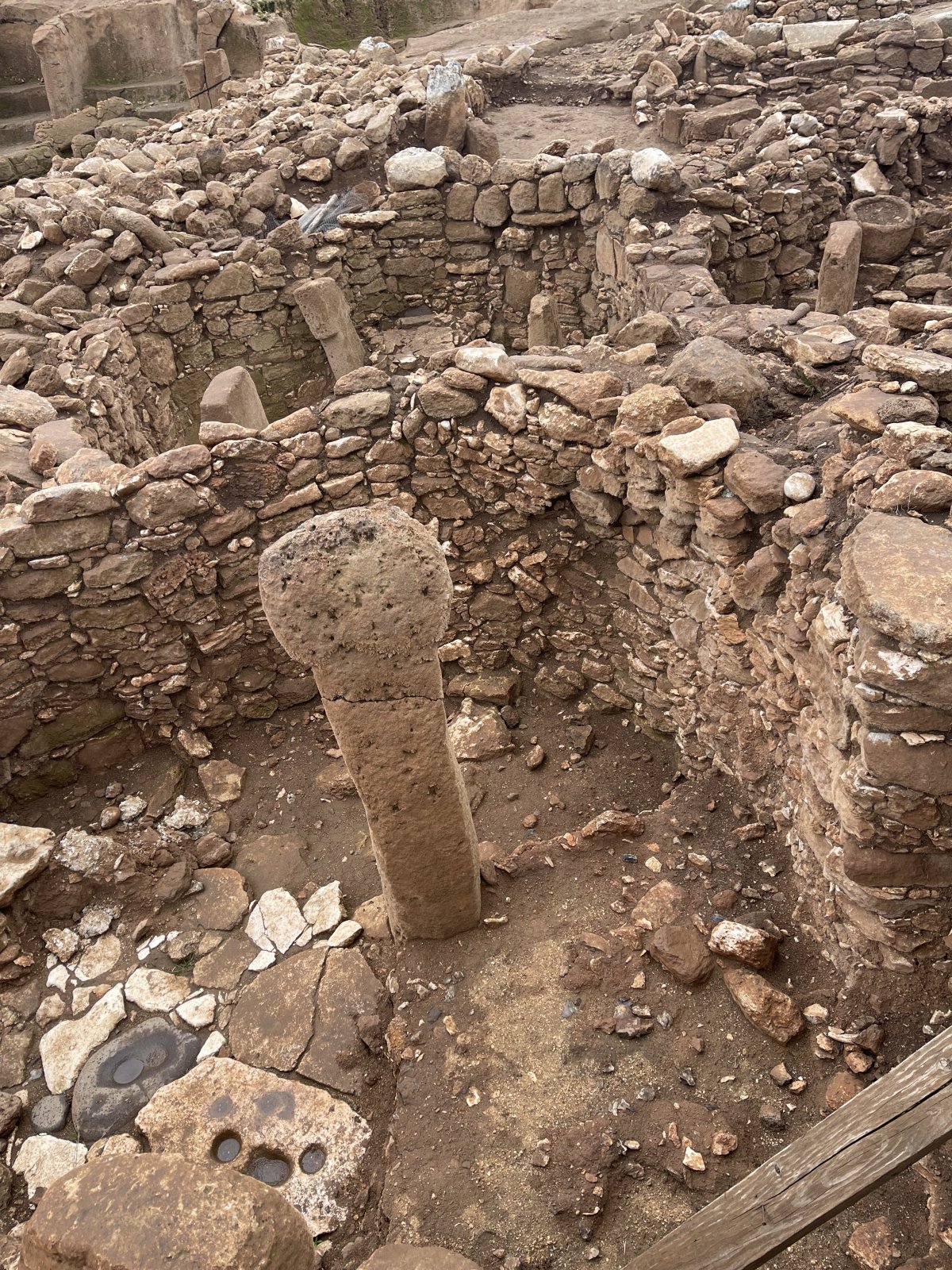
Excavations revealed terraces, rounded structures, and ritual chambers, suggesting complex social and spiritual practices.
Some archaeologists suggest Karahantepe may represent one of the earliest known village-like settlements, potentially predating the monumental ritual complexes at Göbeklitepe.
Reasons to Visit Karahantepe
Explore one of the oldest human settlements ever found (c. 10,000 BCE).
See T-shaped pillars and ritual structures similar to Göbeklitepe.
Walk through the Taş Tepeler region, home to 12 Neolithic sites.
Combine with Göbeklitepe, Balıklıgöl, and Şanlıurfa Museum for a full origins-of-civilization tour.
Experience an active archaeological site still revealing new discoveries.
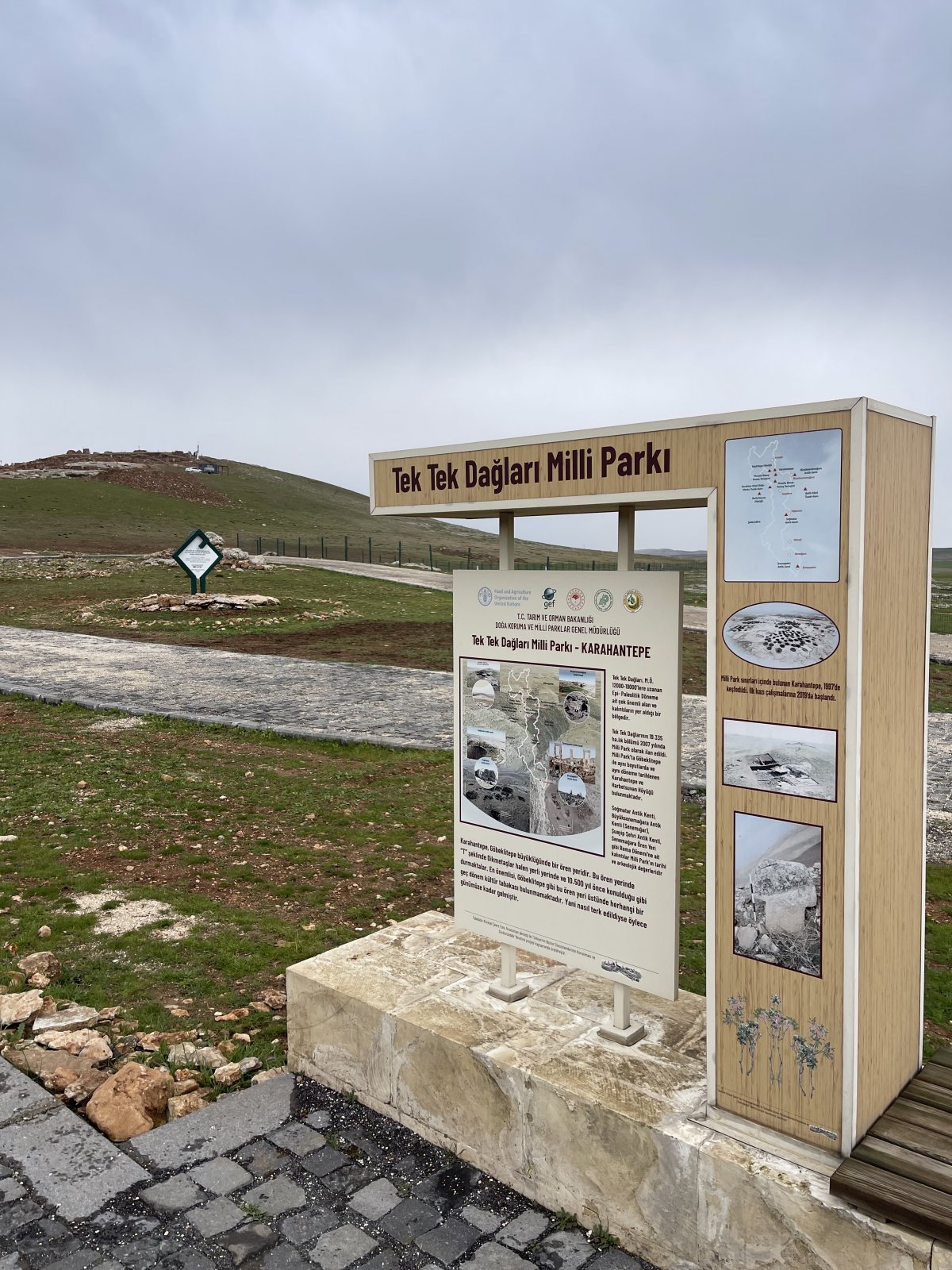
Location: Tek Tek Mountains National Park, ~55 km southeast of Şanlıurfa.
The limestone plateau provided both building material and raw stone for the site’s pillars.
Visitor Experience
Karahantepe is part of the Taş Tepeler Project, which includes 12 Neolithic sites across Şanlıurfa province.
Visitors can explore excavated terraces, stone pillars, and interpretive displays.
Guided tours often combine Karahantepe with Göbeklitepe, Balıklıgöl, and the Şanlıurfa Archaeology Museum for a full Mesopotamian heritage experience.
FAQ
1. Where is Karahantepe located?
Karahantepe is in the Tek Tek Mountains National Park, about 55 km southeast of Şanlıurfa, in Southeastern Türkiye.
2. Why is Karahantepe important?
It is one of the oldest known Pre-Pottery Neolithic sites, dating back to around 10,000 BCE, and part of the Taş Tepeler (“Stone Hills”) Project alongside Göbeklitepe. It provides evidence of early human settlements and ritual practices.
3. What can visitors see at Karahantepe?
Excavations have revealed T-shaped stone pillars, ritual chambers, terraces, and rounded structures similar to Göbeklitepe, but possibly older.
4. Is Karahantepe older than Göbeklitepe?
Some archaeologists believe Karahantepe may predate Göbeklitepe, making it one of the earliest known village-like settlements in human history.
5. How do I get to Karahantepe?
Visitors can reach Karahantepe by road from Şanlıurfa city center. Guided tours often include Karahantepe along with Göbeklitepe and other Taş Tepeler sites.
6. Is Karahantepe open to the public?
Yes, Karahantepe is accessible to visitors, though parts of the site are still under excavation. Guided tours provide the best experience.
7. What nearby attractions can I visit?
Nearby highlights include Göbeklitepe, Balıklıgöl, the Şanlıurfa Archaeology Museum, and the Cave of Abraham.
8. What is the Taş Tepeler Project?
Taş Tepeler (“Stone Hills”) refers to a cluster of 12 Neolithic sites across Şanlıurfa province. Karahantepe is one of the most important, alongside Göbeklitepe, Sayburç, Çakmaktepe, Harbetsuvan, and other early settlement and ritual sites.
9. What is the best time to visit Karahantepe?
Spring and autumn are ideal, with mild weather for exploring the open-air archaeological site. Summers can be very hot in Southeastern Türkiye.
History & Discovery
Discovered in 1997 by Bahattin Çelik of Harran University.
Dates to the Pre-Pottery Neolithic A–B period (10,000–9500 BCE), making it one of the earliest known human settlements.
Considered a “sister site” to Göbeklitepe, but possibly even older.
Archaeological Significance
Features T-shaped stelae similar to Göbeklitepe, carved from local limestone.
Excavations revealed terraces, rounded structures, and ritual chambers, suggesting complex social and spiritual practices.
Some archaeologists suggest Karahantepe may represent one of the earliest known village-like settlements, potentially predating the monumental ritual complexes at Göbeklitepe.
Reasons to Visit Karahantepe
Explore one of the oldest human settlements ever found (c. 10,000 BCE).
See T-shaped pillars and ritual structures similar to Göbeklitepe.
Walk through the Taş Tepeler region, home to 12 Neolithic sites.
Combine with Göbeklitepe, Balıklıgöl, and Şanlıurfa Museum for a full origins-of-civilization tour.
Experience an active archaeological site still revealing new discoveries.
Location: Tek Tek Mountains National Park, ~55 km southeast of Şanlıurfa.
The limestone plateau provided both building material and raw stone for the site’s pillars.
Visitor Experience
Karahantepe is part of the Taş Tepeler Project, which includes 12 Neolithic sites across Şanlıurfa province.
Visitors can explore excavated terraces, stone pillars, and interpretive displays.
Guided tours often combine Karahantepe with Göbeklitepe, Balıklıgöl, and the Şanlıurfa Archaeology Museum for a full Mesopotamian heritage experience.
FAQ
1. Where is Karahantepe located?
Karahantepe is in the Tek Tek Mountains National Park, about 55 km southeast of Şanlıurfa, in Southeastern Türkiye.
2. Why is Karahantepe important?
It is one of the oldest known Pre-Pottery Neolithic sites, dating back to around 10,000 BCE, and part of the Taş Tepeler (“Stone Hills”) Project alongside Göbeklitepe. It provides evidence of early human settlements and ritual practices.
3. What can visitors see at Karahantepe?
Excavations have revealed T-shaped stone pillars, ritual chambers, terraces, and rounded structures similar to Göbeklitepe, but possibly older.
4. Is Karahantepe older than Göbeklitepe?
Some archaeologists believe Karahantepe may predate Göbeklitepe, making it one of the earliest known village-like settlements in human history.
5. How do I get to Karahantepe?
Visitors can reach Karahantepe by road from Şanlıurfa city center. Guided tours often include Karahantepe along with Göbeklitepe and other Taş Tepeler sites.
6. Is Karahantepe open to the public?
Yes, Karahantepe is accessible to visitors, though parts of the site are still under excavation. Guided tours provide the best experience.
7. What nearby attractions can I visit?
Nearby highlights include Göbeklitepe, Balıklıgöl, the Şanlıurfa Archaeology Museum, and the Cave of Abraham.
8. What is the Taş Tepeler Project?
Taş Tepeler (“Stone Hills”) refers to a cluster of 12 Neolithic sites across Şanlıurfa province. Karahantepe is one of the most important, alongside Göbeklitepe, Sayburç, Çakmaktepe, Harbetsuvan, and other early settlement and ritual sites.
9. What is the best time to visit Karahantepe?
Spring and autumn are ideal, with mild weather for exploring the open-air archaeological site. Summers can be very hot in Southeastern Türkiye.