
Mardin Museum, located in the heart of Mardin’s old town, is a cultural landmark showcasing the city’s rich history from the Bronze Age to the Ottoman Empire. Open daily except Mondays, it offers visitors a chance to explore archaeology, ethnography, and traditional Mardin architecture in a building that once served as the Syriac Catholic Patriarchate.
History & Architecture
The museum building was constructed in 1895 by Patriarch Ignatios Behnam Banni as the Syriac Catholic Patriarchate.
It reflects traditional Mardin architecture, with a U-shaped, three-story design adapted to the city’s sloping terrain.
The Church of the Virgin Mary (Meryem Ana Kilisesi) still operates in the eastern section of the complex.
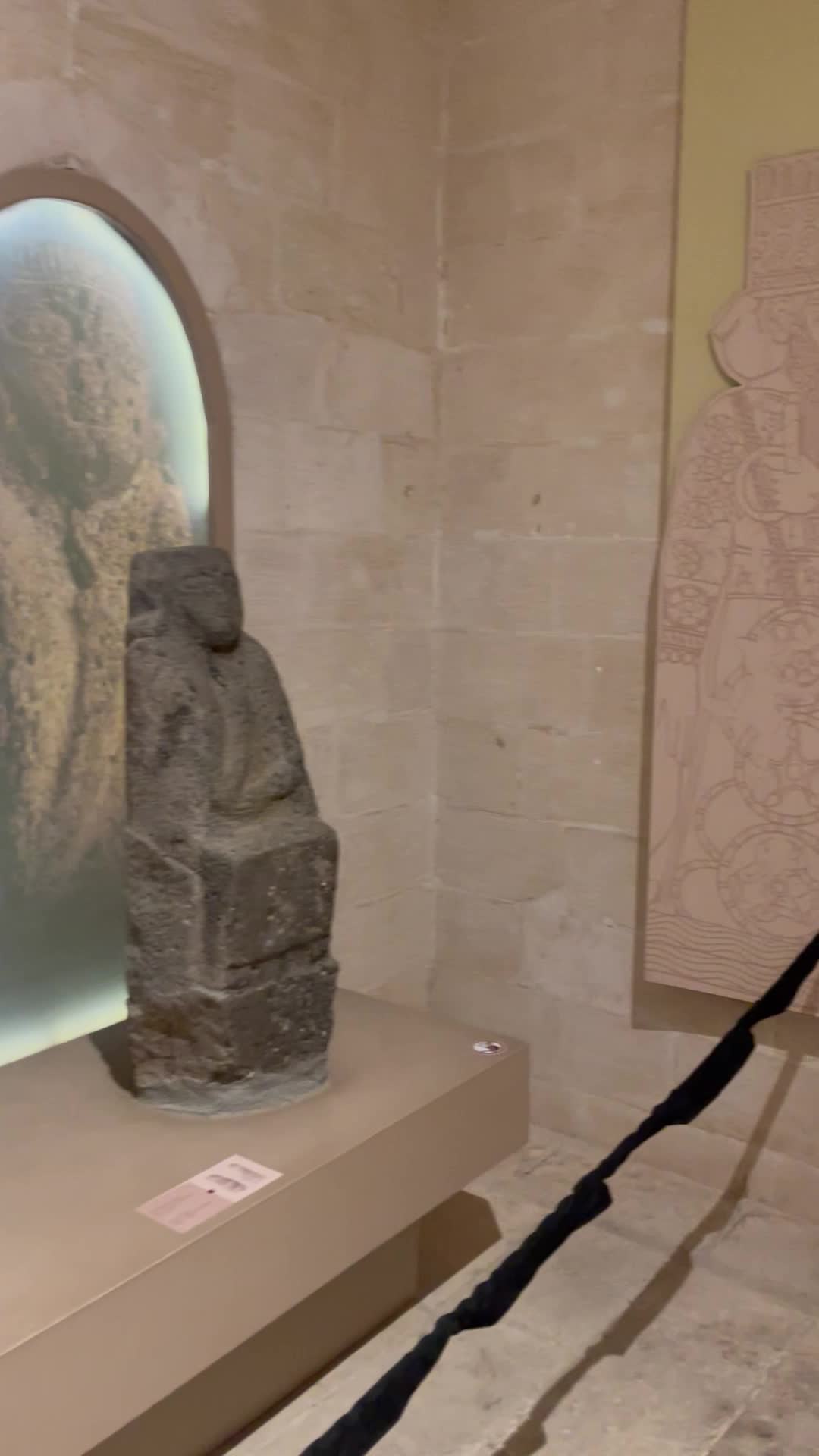
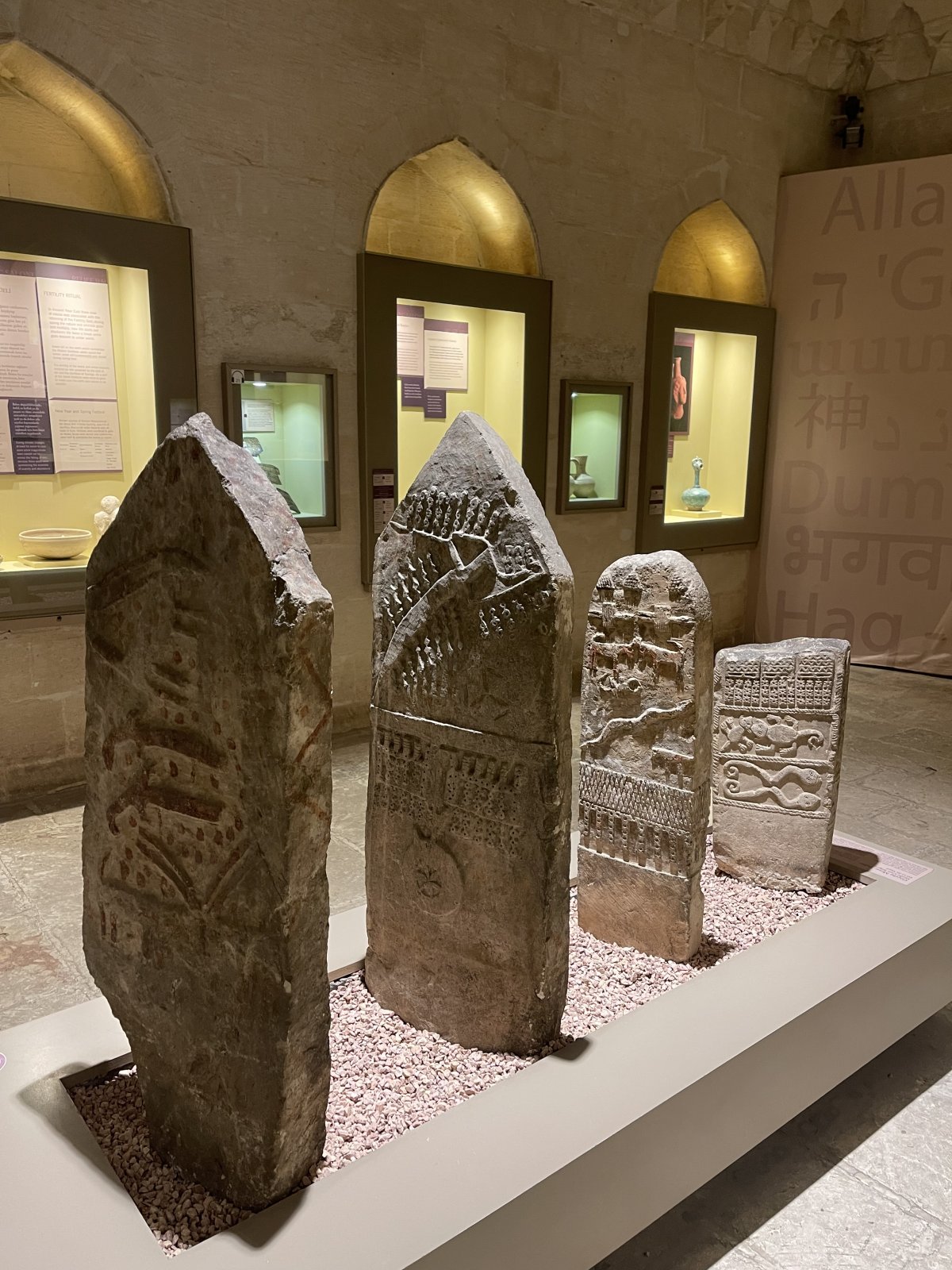
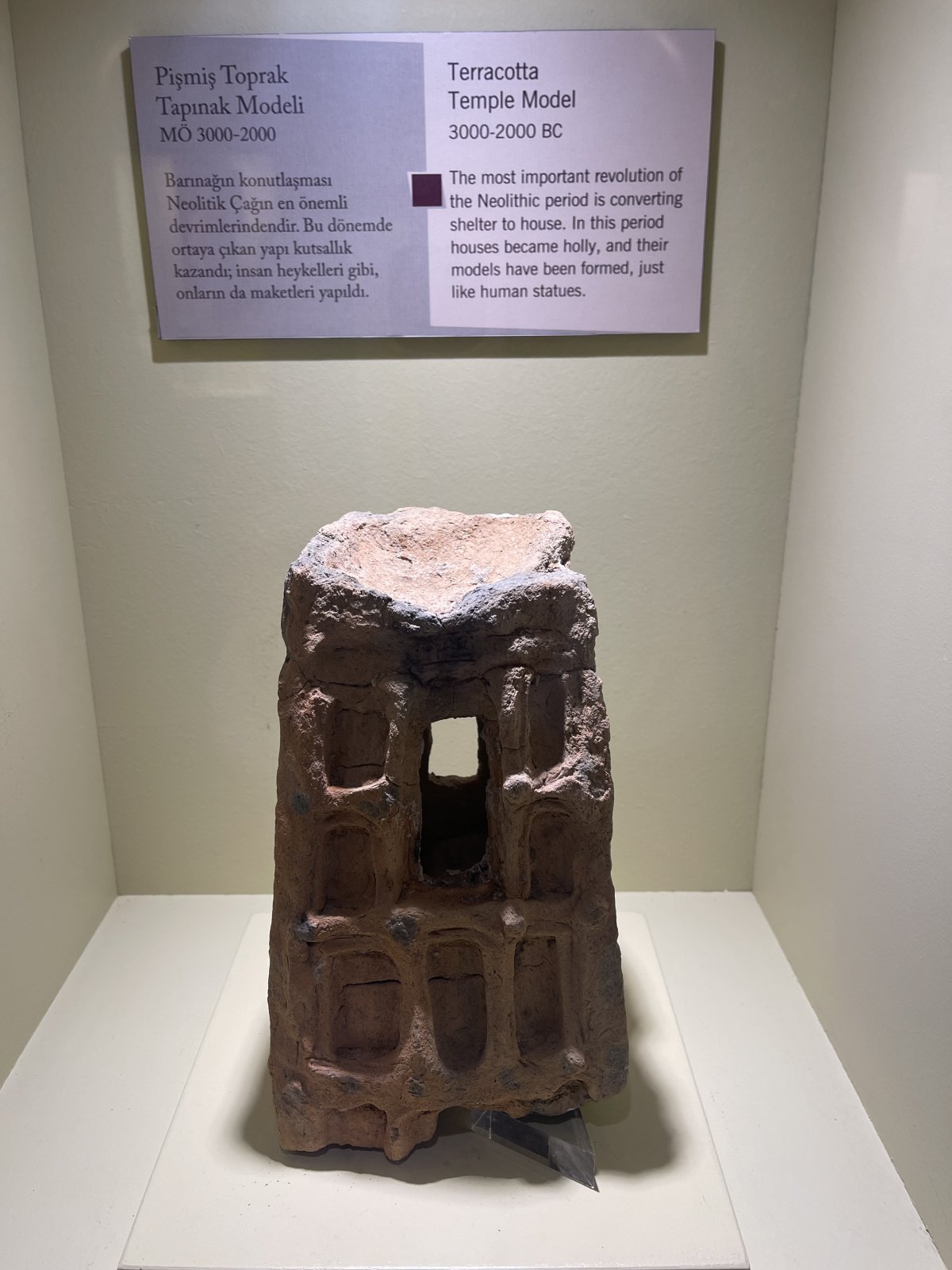
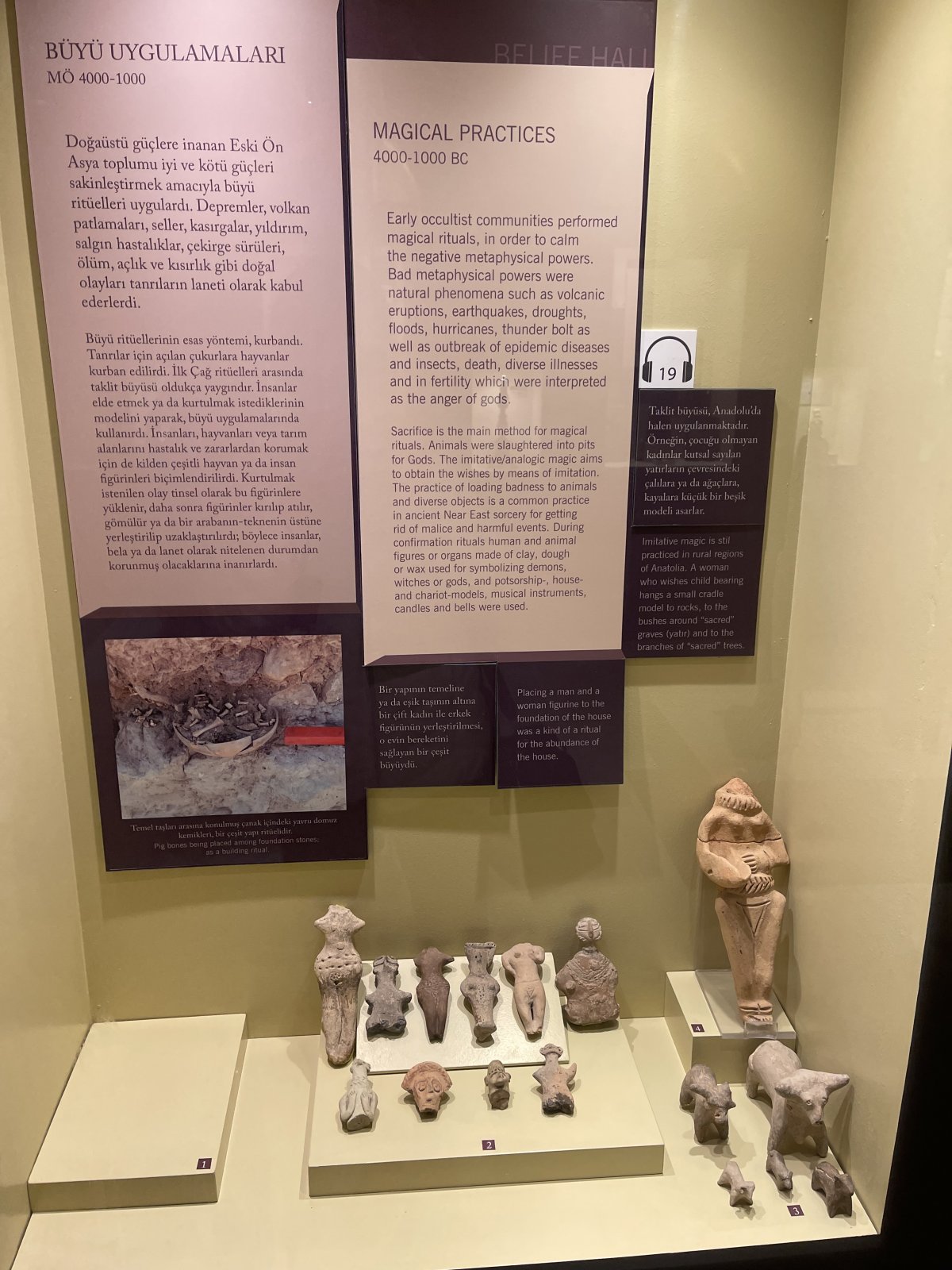
The museum houses artifacts spanning multiple civilizations:
Bronze Age & Urartu finds
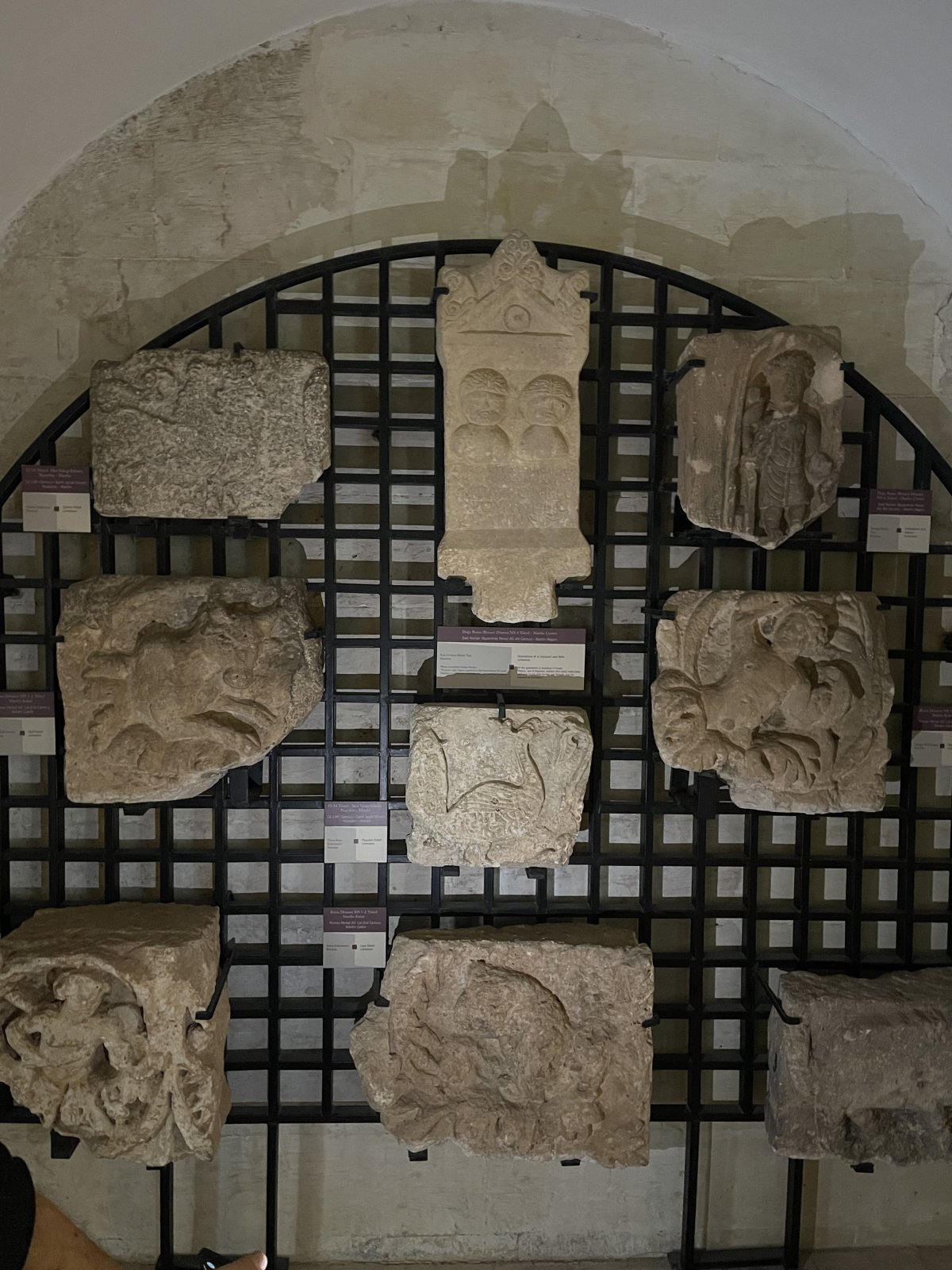
Hellenistic & Roman Empire relics
Byzantine, Seljuk, Artukid, and Ottoman collections
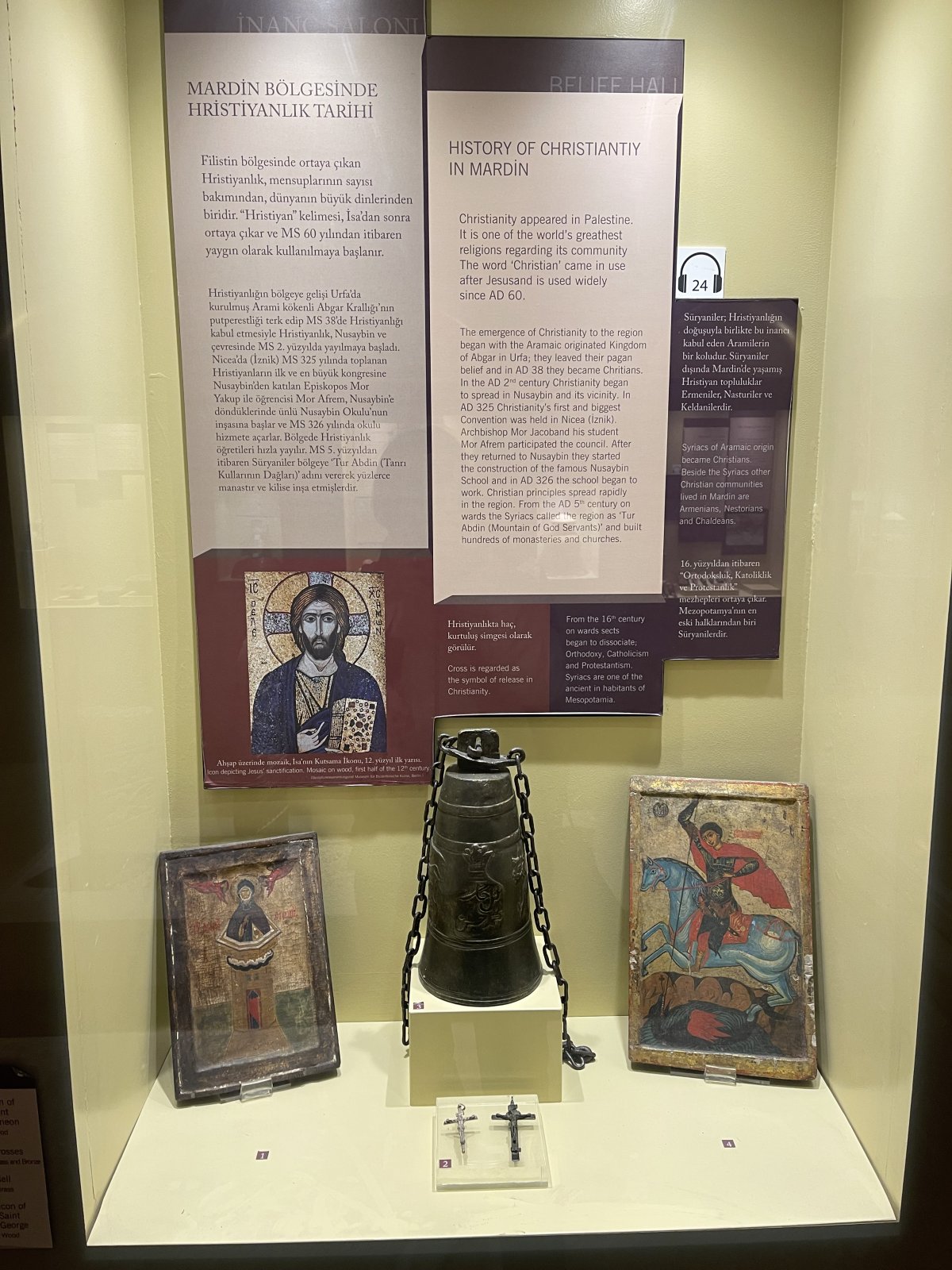
Syriac cultural heritage
Key exhibition halls include:
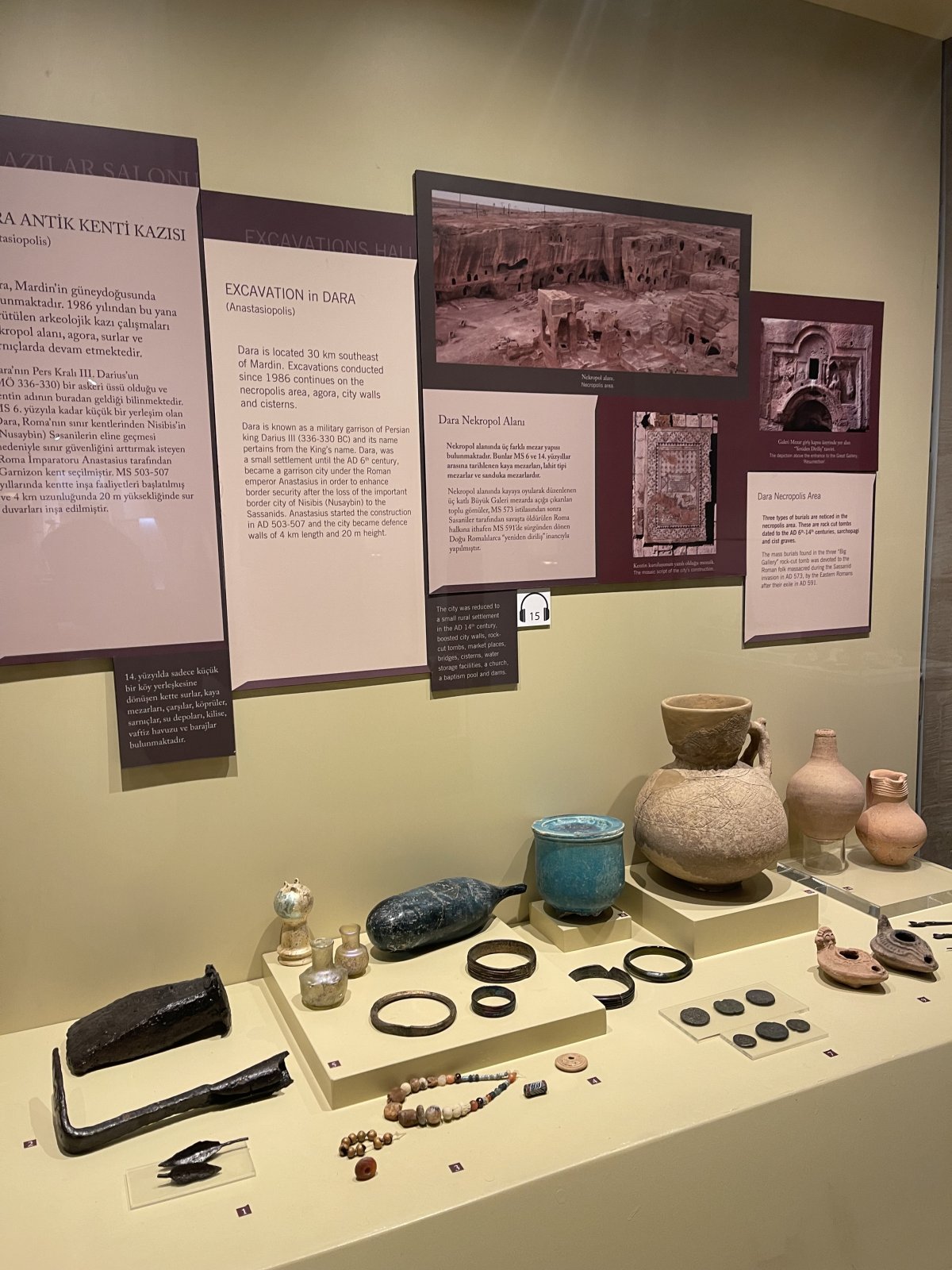
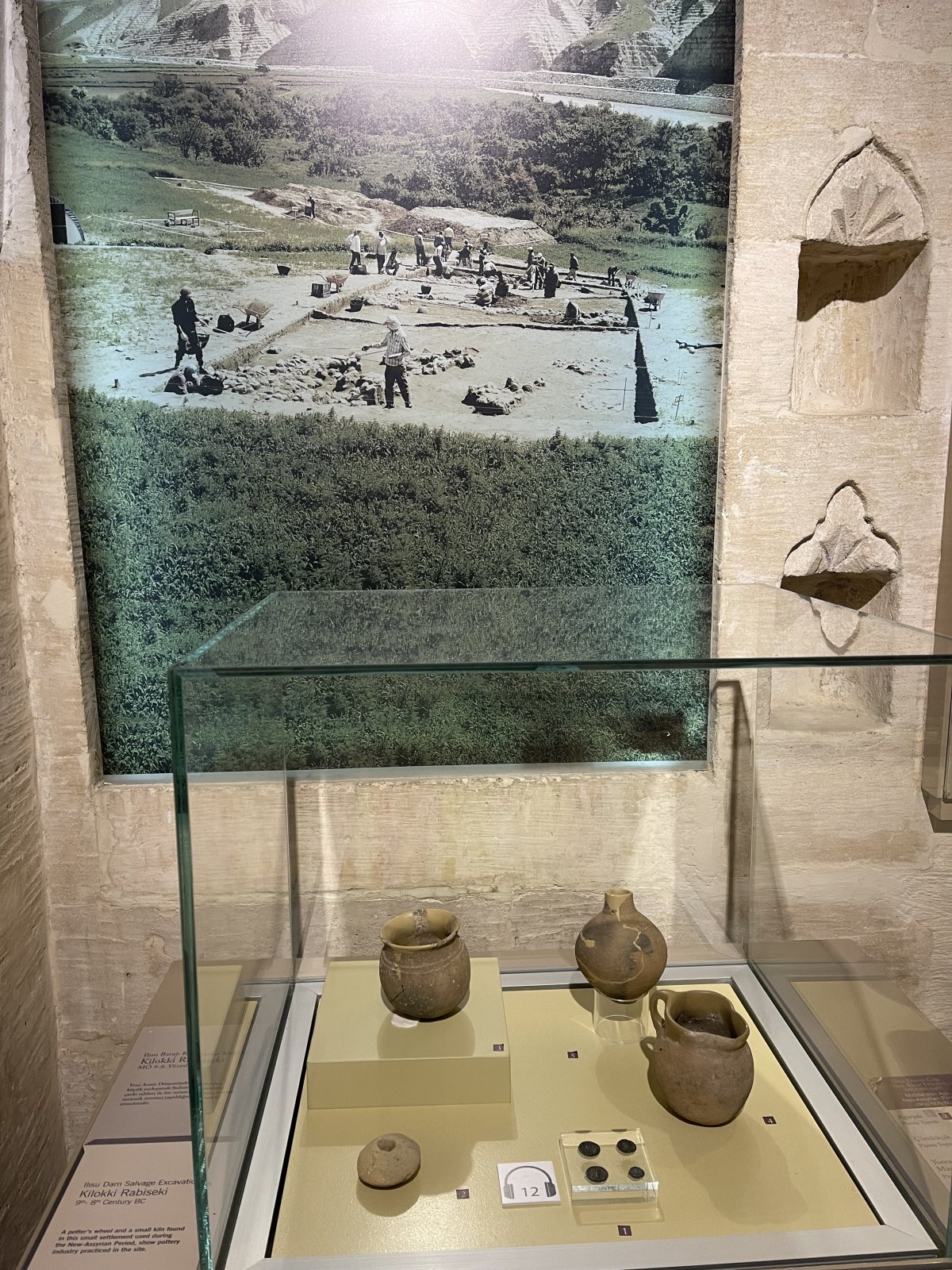
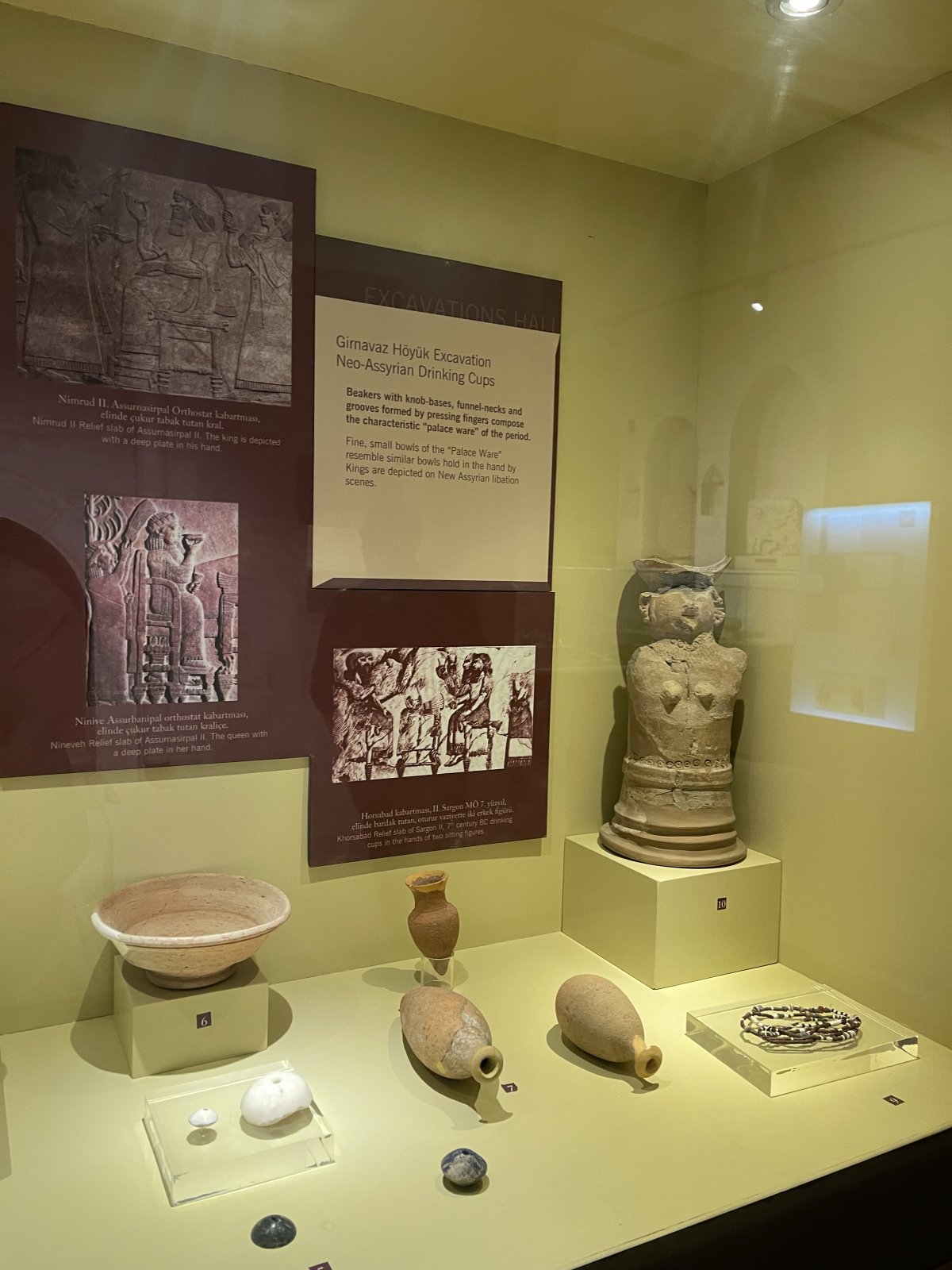
Archaeological Excavations Hall – artifacts from digs around Mardin.
Ethnography Section – traditional costumes, tools, and crafts.
Visitor Information
Opening Hours: 08:00 – 17:00
Box Office Closes: 16:40
Closed: Mondays & after 12:00 PM on December 31st
FAQ
Frequently Asked Questions about Mardin Museum
Where is Mardin Museum located?
Mardin Museum is in Cumhuriyet Square, 1st Avenue, in the old town of Mardin, Türkiye.
What are the opening hours of Mardin Museum?
The museum is open daily from 08:00 to 17:00, except Mondays. The ticket office closes at 16:40.
How much is the entry fee?
The standard ticket price is around €7, though fees may vary. Check the official site or Ministry of Culture updates for current rates.
What can I see inside the museum?
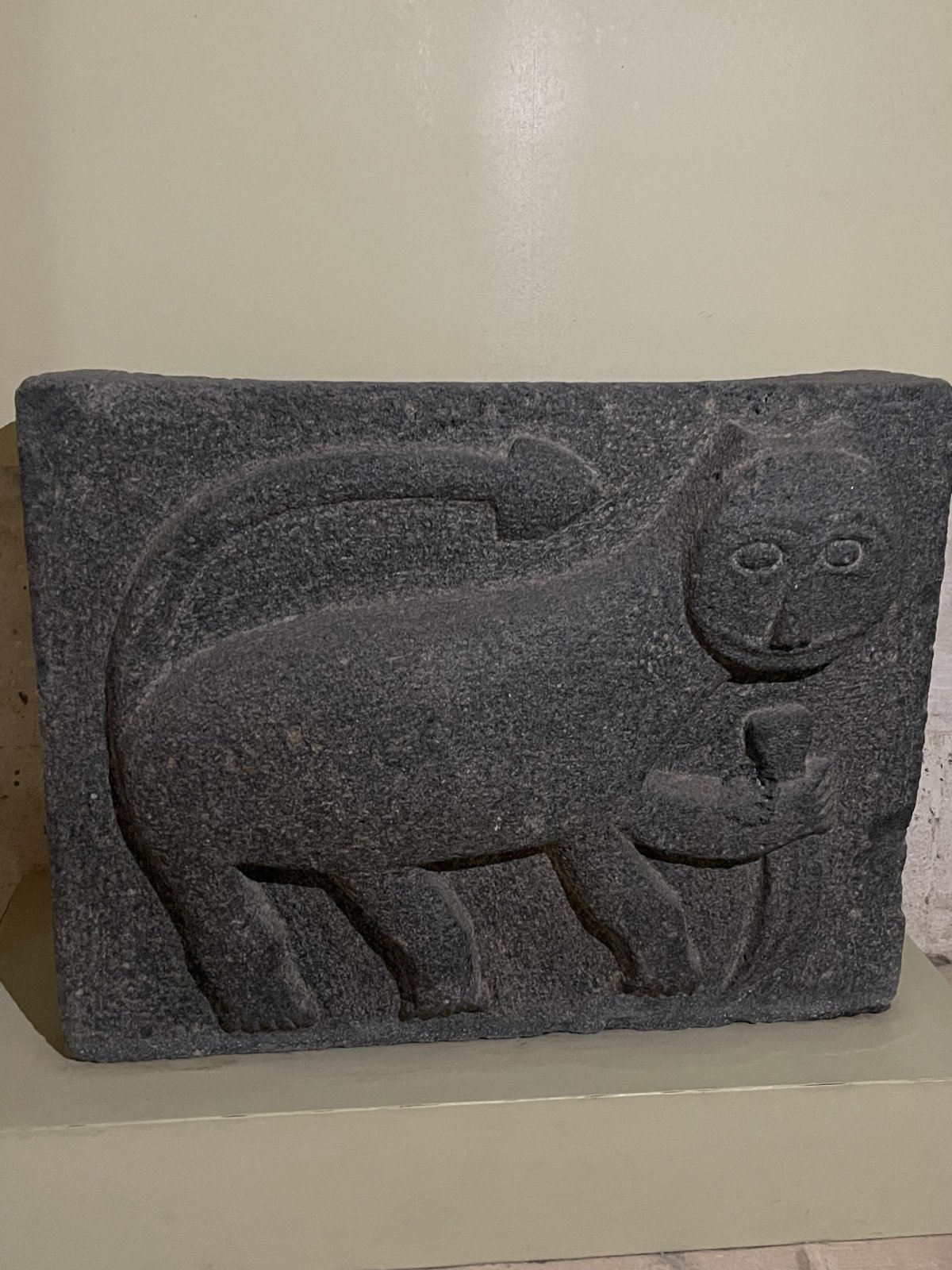
Exhibits include artifacts from the Bronze Age, Roman and Byzantine periods, and ethnographic displays of local traditions.
Is the museum building historic?
Yes, it was originally built in 1895 as the Syriac Catholic Patriarchate and is a fine example of Mardin’s stone architecture.
Is photography allowed inside?
Photography is generally permitted, but flash use may be restricted in certain halls.
How do I get to Mardin Museum?
The museum is centrally located in Mardin’s old town, easily accessible by foot or local transport.
History & Architecture
The museum building was constructed in 1895 by Patriarch Ignatios Behnam Banni as the Syriac Catholic Patriarchate.
It reflects traditional Mardin architecture, with a U-shaped, three-story design adapted to the city’s sloping terrain.
The Church of the Virgin Mary (Meryem Ana Kilisesi) still operates in the eastern section of the complex.
The museum houses artifacts spanning multiple civilizations:
Bronze Age & Urartu finds
Hellenistic & Roman Empire relics
Byzantine, Seljuk, Artukid, and Ottoman collections
Syriac cultural heritage
Key exhibition halls include:
Archaeological Excavations Hall – artifacts from digs around Mardin.
Ethnography Section – traditional costumes, tools, and crafts.
Visitor Information
Opening Hours: 08:00 – 17:00
Box Office Closes: 16:40
Closed: Mondays & after 12:00 PM on December 31st
FAQ
Frequently Asked Questions about Mardin Museum
Where is Mardin Museum located?
Mardin Museum is in Cumhuriyet Square, 1st Avenue, in the old town of Mardin, Türkiye.
What are the opening hours of Mardin Museum?
The museum is open daily from 08:00 to 17:00, except Mondays. The ticket office closes at 16:40.
How much is the entry fee?
The standard ticket price is around €7, though fees may vary. Check the official site or Ministry of Culture updates for current rates.
What can I see inside the museum?
Exhibits include artifacts from the Bronze Age, Roman and Byzantine periods, and ethnographic displays of local traditions.
Is the museum building historic?
Yes, it was originally built in 1895 as the Syriac Catholic Patriarchate and is a fine example of Mardin’s stone architecture.
Is photography allowed inside?
Photography is generally permitted, but flash use may be restricted in certain halls.
How do I get to Mardin Museum?
The museum is centrally located in Mardin’s old town, easily accessible by foot or local transport.


 Advertiser